 EN
EN


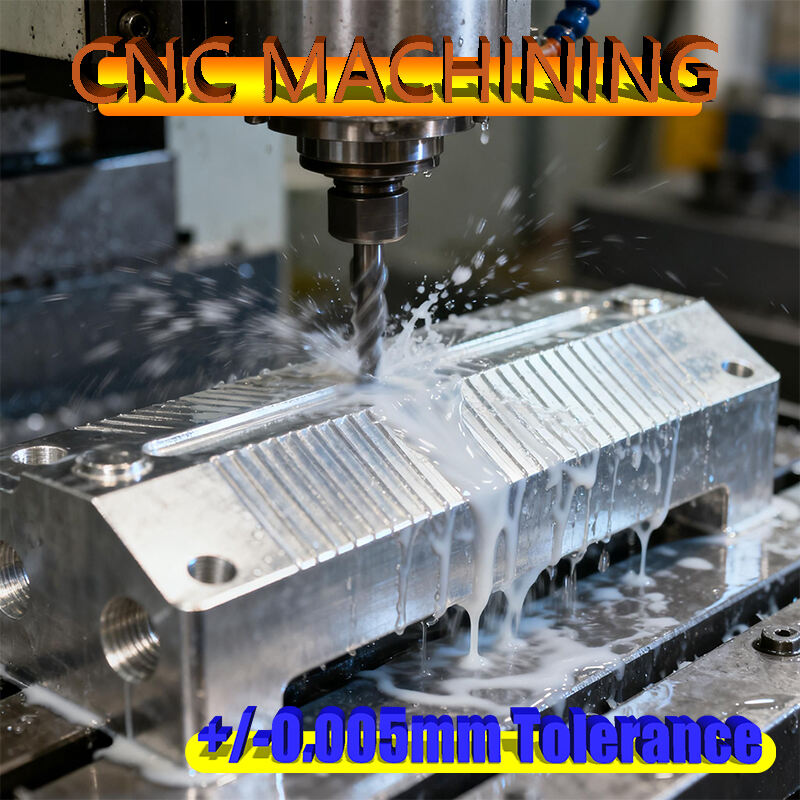
1. একটি বাস্তব কারখানার মুহূর্ত
আমি এখনও ভোরের দিকে মেশিনিং বে এ প্রবেশ করার কথা মনে রাখি—স্পিন্ডেলটি একটি নিরবচ্ছিন্ন ছন্দে গুঞ্জন করছে, বাতাসে কাটিং তরলের মৃদু গন্ধ ভাসছে, এবং Al6061 ব্লকগুলি এখনও আমার আঙ্গুলের নিচে গরম। এমন মুহূর্তগুলিতে, আপনি হঠাৎ বুঝতে পারেন কীভাবে প্রতিটি সিএনসি কাস্টম প্রিসিশন পার্টস কয়েকটি ক্ষুদ্র, প্রায় অদৃশ্য ভেরিয়েবলের উপর নির্ভর করে। তবুও সেই ভেরিয়েবলগুলিই সবকিছু নির্ধারণ করে।
গ্রহণ করি সহনশীলতা —অনুমোদিত মাত্রার বিচ্যুতি (সাধারণ ইংরেজিতে: কতটা আকারের পরিবর্তন গ্রহণযোগ্য)। উদাহরণস্বরূপ, যখন একজন গ্রাহক একটি ক্ষুদ্র সংযোজক পিনের জন্য ±0.01 মিমি চেয়েছিলেন, তখন মেশিনটি উষ্ণ হওয়ার কারণেই অংশটি নির্দিষ্ট মানের বাইরে চলে গিয়েছিল। সুতরাং, কাস্টম নির্ভুলতা যুক্ত অংশগুলির নির্দিষ্টকরণের সময় প্রকৌশলীদের আসলে কী বিষয়গুলি খেয়াল রাখা উচিত?
(সংক্রমণ →) আসুন উপাদান-সংক্রান্ত বিষয়গুলি দিয়ে শুরু করা যাক।
2. উপাদানের যন্ত্রচালনা সহজতা এবং পৃষ্ঠের গুণমান
যখন সিএনসি অংশগুলি সংগ্রহ করা হয়, উপাদানের যন্ত্রচালনা সহজতা — কতটা সহজে একটি উপাদান কাটা যায় — তা গতি, যন্ত্রের আয়ু এবং খরচকে প্রভাবিত করে। উদাহরণস্বরূপ, স্টেইনলেস স্টিল 304 শক্ত এবং আঠালো হয়। একটি ছোট ভালভ-বডির কাজের সময়, আমাদের একটি শিফটের মধ্যে ছয়বার যন্ত্রগুলি পুনরায় ধারালো করতে হয়েছিল। অন্যদিকে, পিতল একটি মসৃণ রিবনের মতো কাটে; আপনি প্রায় সোনার স্প্রিংয়ের মতো পরিষ্কারভাবে কুণ্ডলীকৃত চিপগুলি দেখতে পাবেন।
এর পরে আসে পৃষ্ঠের রুক্ষতা , অংশটিতে শেষ পৃষ্ঠের গঠন। উদাহরণস্বরূপ, একটি ডিসপ্লে ব্র্যাকেটে Ra0.8 প্রয়োজনীয়তা মানে ধীর ফিড, তীক্ষ্ণ টুল বা পোস্ট-পলিশিং ব্যবহার করা। কাগজে সহজ মনে হয়, তাই না? কিন্তু সময়সীমা জমা হয়ে গেলে, পৃষ্ঠের মানগুলি সময়ের বিরুদ্ধে একটি দৌড়ে পরিণত হয়!
(Transition →)উপাদানগুলি সাজানোর পর, জ্যামিতি পরবর্তী চ্যালেঞ্জ হয়ে ওঠে।
3. জ্যামিতি, কাজের আয়োজন এবং শেখা পাঠগুলি
জটিল অংশের জ্যামিতি — সূক্ষ্ম কোণ, পাতলা দেয়াল বা গভীর পকেটের মতো বৈশিষ্ট্যগুলি — মেশিনিংকে উল্লেখযোগ্যভাবে কঠিন করে তুলতে পারে। 0.5 মিমি ব্যাসার্ধের সাথে একটি তীক্ষ্ণ অভ্যন্তরীণ কোণ CAD-এ ভালো দেখাতে পারে, কিন্তু ভঙ্গুর মাইক্রো-টুল প্রয়োজন হয়। আমরা একবার একটি গভীর পকেটের কোণায় তিন এন্ড মিলগুলি ভেঙে ফেলেছিলাম কারণ সিমুলেশন নিখুঁত দেখালেও বাস্তবতা তা ছিল না। কী দিন ছিল!
তারপর আছে কাজের আয়োজন , অর্থাৎ মেশিনিংয়ের সময় অংশটি কীভাবে আটকানো হয়। খুব শক্ত করে আটকালে পাতলা প্লেটটি বাঁকে, আর খুব দুর্বলভাবে আটকালে এটি একটি ছোট ঘণ্টার মতো কম্পন করে। একটি মেডিকেল কভার প্লেট কম্পনের দাগ নিয়ে বেরিয়ে এসেছিল যা অ্যানোডাইজিংকে নষ্ট করে দিয়েছিল। বেদনাদায়ক পাঠ—কিন্তু অবিস্মরণীয়।
(Transition →)এখন দেখা যাক মেশিনিং প্যারামিটারগুলি কীভাবে সবকিছুকে একত্রিত করে।
4. কাটিং প্যারামিটার ও গুণগত নিয়ন্ত্রণ
কাটিং প্যারামিটার —স্পিন্ডেল গতি (যন্ত্রটি কত দ্রুত ঘোরে), ফিড রেট (এটি কত দ্রুত চলে), এবং কাটিংয়ের গভীরতা (এটি কত গভীরে কাটে)—এগুলি নির্ভুলতা এবং যন্ত্রের আয়ুর উপর বিশাল প্রভাব ফেলে। কপার ইলেকট্রোডের একটি জরুরি অর্ডারের সময়, আমরা সুপারিশকৃত ফিড রেটের চেয়ে বেশি চাপ দিয়েছিলাম। কয়েক মিনিটের জন্য সবকিছু ঠিকঠাক মনে হচ্ছিল... কিন্তু হঠাৎ যন্ত্রটি অতিরিক্ত উত্তপ্ত হয়ে চিপ হয়ে গেল এবং কাজের টুকরোতে পোড়া দাগ ফেলল! কী আশ্চর্য!
অবশেষে, গুণত্ব নিয়ন্ত্রণ —CMM-এর মতো (একটি কোঅর্ডিনেট মিজারিং মেশিন যা অংশগুলির বৈশিষ্ট্য পরীক্ষা করে)—সবকিছু নির্ভরযোগ্য রাখে। একবার CMM একটি ভুলভাবে ক্যালিব্রেটেড প্রোবের কারণে 0.02 mm ড্রিফট ধরা পড়েছিল। এটি না থাকলে, আমরা হাজার হাজার ডলারের অংশগুলি ফেলে দিতে বাধ্য হতাম।
(Transition →)সুতরাং সরবরাহের ক্ষেত্রে প্রকৌশলীদের কী মানসিকতা আনা উচিত?
5. প্রকৌশল ও ক্রয় দলগুলির জন্য গুরুত্বপূর্ণ বিষয়
সিএনসি কাস্টম প্রিসিজন পার্টস অর্ডার করা কখনই মাত্র 'অঙ্কন পাঠানো এবং উদ্ধৃতি পাওয়া' এর মতো সহজ নয়। এটি টলারেন্স, উপাদানের আচরণ, জ্যামিতিক সীমাবদ্ধতা, কাজের ধরন, মেশিনিং প্যারামিটার এবং পরিদর্শনের মধ্যে একটি ভারসাম্যপূর্ণ কাজ। এই ব্যবহারিক বিষয়গুলি মাথায় রাখুন, এবং আপনি আরও মসৃণ নির্মাণ প্রক্রিয়া, কম অপ্রত্যাশিত ঘটনা এবং এমন একজন সরবরাহকারী পাবেন যিনি আপনার পরিষ্কারতা এবং প্রকৌশলগত সচেতনতার প্রশংসা করবেন।