 EN
EN


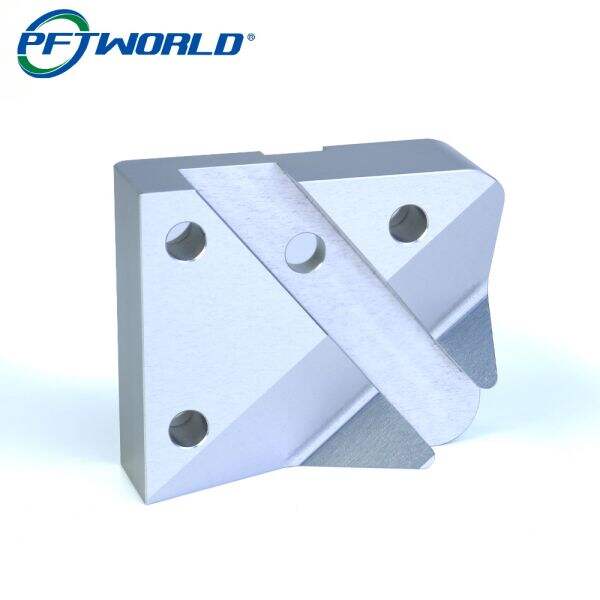
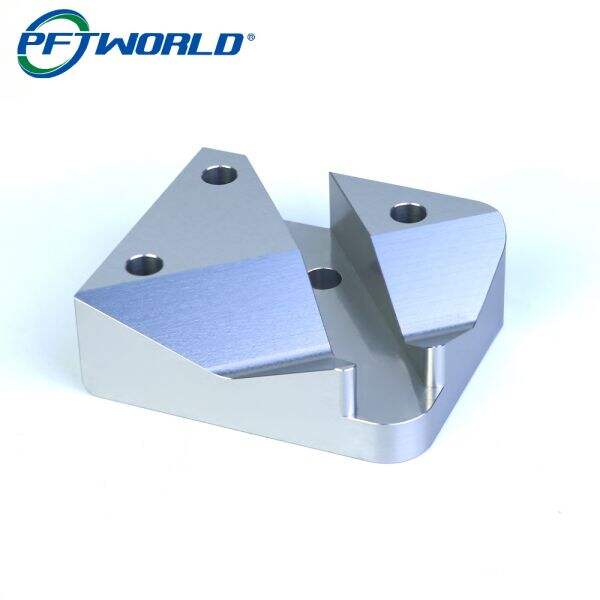
Taighdeáil ar an iomlán ar an gclár oibre CNC ón taispeántas go dtí an t-ionsáil. Foghlaimeann tú conas a roghnaíonn fabhróirí gairmiúla cuidí CNC saincheaptha a bhfuil feabhas curtha orthu, lena n-áirítear an dearadh do tháirgeadh (DFM), an tréadáil uirthi, an t-ionspéacht agus an pacáil chun an t-ionsáil a bheith ar am.
Ón Taispeáint go dtí na Cuidí CNC Críochnaithe: Sraith Iomlán Fabhrála
I ngnách na hiondústrí tháirgeála inniu, tá tuiscint ar an Próiseas táirgeála cuidí CNC thar a bheith tábhachtach do inhinéirí, bainistir ceannaíochta agus dearthóirí táirgí. Tugann clár oibre soiléir an neamhshábháilteacht a bhaineann le ceannaíocht a laghdú, léiríonn sé spéis an fhobhróra agus cinntíonn sé toradh ar ardchaile. I mbeagán seo, déanaimid turas trí An clár oibre CNC ón taispeántas go dtí na cuidí críochnaithe, ag léiriú gach céim sa tháirgeadh ar chuidí CNC saincheaptha.
1. Athbhreithniú ar an taispeántas: An chéad chéim chuig cruinneas
Tosaíonn gach tionscadal CNC rathúil le taispeántas inninéireachta . Ceadaíonn athbhreithniú cuingthe ar an taispeántas do fhobhróirí:
-
Dearbhú ar na tóirí, ar na tholéráinsí, agus ar na hábhair.
-
Aitheantas a thabhairt do phointí féadtha fadhbanna leis an bhfuarthas.
-
Riachtanais an chumascóra nó na rialacháin fheidhmiúla a ghlanadh.
Trí dhéanamh réiteach ar dhréachtanna luath, laghdaíonn na monaróirí an riosc de theipeanna, gheobhaidh siad amanna níos gearra, agus tiocfaidh siad ar chostais oiriúnacha. Tugann an céim seo freisin do sholáthraí a sheoladh mar pháirtí ghairmiúil a thuigeann na riachtanais teicniúla agus feidhmiúla do thionscadal.
2. Roghchaighneachta DFM: Dearadh le haghaidh Fuarthais
Cruthú don Bhunsain (DFM) is cuid thábhachtach den tsruth oibre. Meastóiríonn siopa CNC ghairmiúil:
-
Tanaíocht na mballaí, suíomh na mbullán, agus giorrú na gcorn.
-
Roghainn na hábhair agus an fheidhmiúlacht i dtreo mheasctha.
-
Feasacht na dtoléráinsí do bheith ag obair le milliú, le casadh, nó le hoibríochtaí iolargásach.
Trí dhéanamh roghchaighneachta ar an ndearadh le haghaidh próiseáis CNC, laghdaíonn na monaróirí an t-am a chaitheann siad ag meascadh, laghdaíonn siad an caochoigeart, agus feabhsaíonn siad cothroime na gcomhlachtaí. Don cliant, léiríonn athbhreithniú DFM saibhreas eolas agus tógann sé muinín i ngabháil do sholáthraí.
3. Machanáil CNC: Ó Mháistirshuíomh go dtí an Páirt Chrua
Nuair a chríochnaítear an dearadh, tosaíonn an machanáil fhíorúil. Ag brath ar an bpáirt, b’fhéidir go n-úsóidh na monaraithe:
-
Milling CNC: I bhfad is fearr le haghaidh geamóga 3D casta.
-
Machanáil CNC i gcuairt: Éifeachtach le haghaidh comhpháirtí cilindriúla.
-
Machanáil iolchraobh: Le haghaidh cruthanna casta a éilíonn tineallacha daingne.
Tá an béim le linn an mhachanála ar an cruinneas, ar an athdhéanamh agus ar an chroíochas uaireanta. Taispeánann an staid seo go díreach saotharlacht an mhonaraithe agus ar cháilíocht a mhinicí.
4. Tréith Uaireanta: Feabhsú Ar Oiriúnacht agus Ar Chroíochas
Tar éis an mhachanála, bíonn go leor páirtí faoi treapaimní bunais chun an fóirneachta, an tuaslagtha coirrúcháin, nó an t-áilleacht a fheabhsú. I measc na gceapadh coitianta:
-
Anódú nó ocsaídiú dubh do pháirteanna alúmanaim.
-
Plátaíocht nó cloíochán chun tuaslagtha úsáide.
-
Poláil nó scriosadh na mbuailtíní chun freastal ar riachtanais an chomhshó.
Ní dhéanann an críochnú uathu ach cosaint ar an bpáirt ach léiríonn sé freisin aird ar na mionsonraí—fachtóir tábhachtach i dtoghcháin an cheannaí.
5. Inspeacht: Cinntiú go mbreisíonn gach páirt ar na caighdeáin
Tá rialú calafoirt gan aon ghlacadh. Déanann monaróir CNC gairmiúil inspeachtaí daingne ag baint úsáide as:
-
Méinéirí Tomhais Comhordaithe (CMM) chun cruinneas tomhaise.
-
Inspeacht radharcach agus teagmhála chun calafoirt an dromchla a chinntiú.
-
Tástálacha feidhmiúla chun comhshó nó freastal a fhíorú.
Trí bhronnadh na dtorthaí inspéicte, léiríonn na monaraithe freagracht agus ionadúlacht, ag laghdú an risc go mbainfidh comhpháirteanna míchualaithe leis an gcustaiméir.
6. Pácáil agus Díol: I ndiaidh an ama agus go sábháilte
Is féidir na codanna is fearr a bheith damáiste mar gheall ar phácáil mícheart. Cinntíonn na monaraithe:
-
Cúirtiú cosanta agus boscaí saincheaptha.
-
Leibhéalú soiléir agus rianú na gcodanna.
-
Rannaíocht na ndíolachán chun dul i ngleic le haimsir an chustaiméara.
Rialú éifeachtach ar phácáil agus ar an ndíoladh a thacaíonn leis an íomhá ghairmiúil an mhonaraithe agus a gcoimhlint le sáshualacht an chustaiméara.
Cén fáth a bhfuil saotharlann ghairmiúil tábhachtach
Tugann iomlán oibríochta CNC—ó athbhreithniú na ndearbhcháin, rogha an deis chun a bheith ina fhormhór (DFM), an t-ullmhú, an tréadú, an tréadú ar dhromchla, an t-inspéacht, go dtí an pacáil—roinnt buntáin:
-
Laghdaíonn sé an lucht a thagann le ceannach trí bhreathnú soiléir ar an bpróiseas a sholáthraíonn sé.
-
Déanann sé cinneadh go bhfuil an monaróir taithí agus ionadaíocht aige.
-
Achinneann sé go mbaineann na codanna leis na speicíficáidí ar am agus laistigh den budgead.
-
Tacaíonn sé le comhoibriú fadtéarmach trí chúinsí ar an gcalaois, ar an traspairint, agus ar an spéisialtóireacht teicniúil a léiriú.
Don innealtóirí agus do fhoireann an cheannach, is criticiúil an próiseas seo a thuiscint chun earraí a cheannach páirteanna múnlaithe cnc saincheaptha a bhaineann le caighdeáin tionsclaíocha daingean.
Gluais chun gníomh
An bhfuil tú ag lorg comhpháirtí ionadaíochta i Monarú codanna CNC ? Déanann ár fhoireann ghairmiúil comhpháirtíocht le comhpháirtíocht cruinn le hionadú do DFM, le himpleachtaí casta tréadú, le tástáil thar a bheith géar, agus le seoladh slán. Cuir isteach linn inniu chun do thionscadal a phlé agus plán monaraithe saincheaptha a fháil ar do chuid codanna CNC saincheaptha.
Table of Contents
- 1. Athbhreithniú ar an taispeántas: An chéad chéim chuig cruinneas
- 2. Roghchaighneachta DFM: Dearadh le haghaidh Fuarthais
- 3. Machanáil CNC: Ó Mháistirshuíomh go dtí an Páirt Chrua
- 4. Tréith Uaireanta: Feabhsú Ar Oiriúnacht agus Ar Chroíochas
- 5. Inspeacht: Cinntiú go mbreisíonn gach páirt ar na caighdeáin
- 6. Pácáil agus Díol: I ndiaidh an ama agus go sábháilte
- Cén fáth a bhfuil saotharlann ghairmiúil tábhachtach
- Gluais chun gníomh