 EN
EN


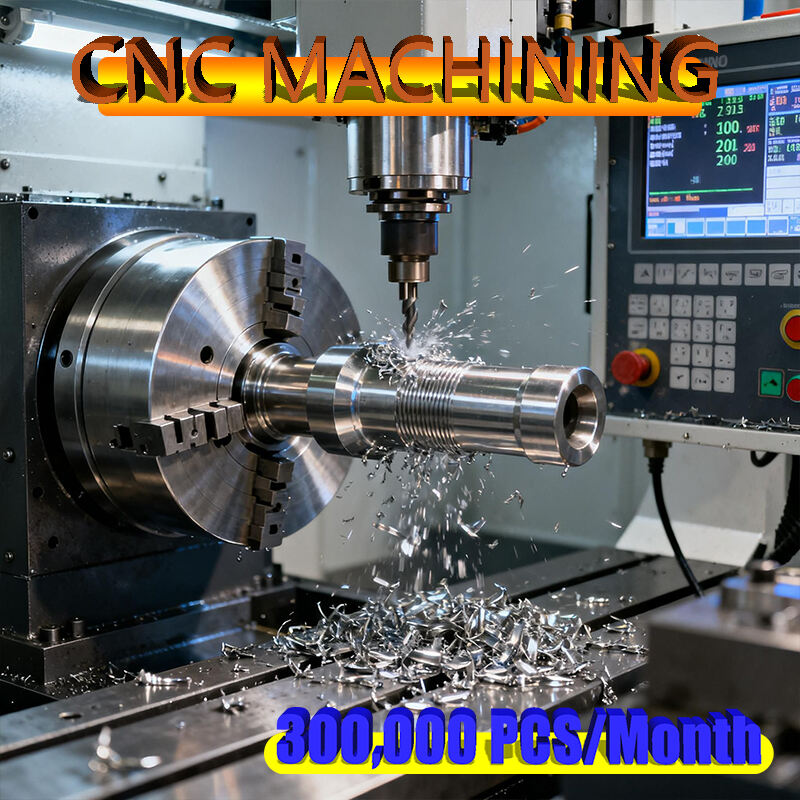
Perspective practică din atelierul CNC
Când am intrat pentru prima dată în atelierul nostru CNC de la fabrică, zumzetul arborilor cu viteză mare și mirosul ascuțit al lichidelor de răcire au arătat clar că precizia nu este doar un obiectiv – este o cultură. Fiecare piesă pe care o producem depinde nu doar de programul CNC, ci și de selecția minuțioasă a materialelor și sculelor. De-a lungul anilor, am observat că chiar și ajustările minore ale acestor alegeri pot avea un impact semnificativ asupra calității piesei, finisajului superficial și eficienței prelucrării.
Înțelegerea impactului materialului asupra preciziei CNC
1. Aliaje de aluminiu: viteză versus finisaj superficial
Aluminiul, în special aliajele 6061 și 7075, este o alegere comună pentru piesele de precizie datorită prelucrabilității sale. Din experiența mea:
-
6061-T6 este ideal pentru componente structurale; viteze de tăiere până la 8000 RPM oferă finisaje netede cu uzură minimă a sculei.
-
7075-T6 oferă o rezistență mai mare, dar necesită avansuri mai lente și scule din carbide ascuțite pentru a preveni urmele de vibrații.
-
Utilizarea unui freză cu strat diamantat a redus formarea de bavuri cu 30% în testele noastre, îmbunătățind consistența asamblării.
2. Oțel inoxidabil: Echilibrul între duritate și durabilitatea sculei
Pentru piese precum arborii și componentele medicale, oțelurile inoxidabile 304 și 316 sunt frecvent utilizate. Observațiile mele:
-
Tăierea la viteză mare fără un răcitor adecvat duce la întărirea prin deformare.
-
Comutarea la scule din oțel rapid (HSS) sau carbide acoperite cu răcire abundentă, au extins durata de viață a sculei de 2-3 ori.
-
Implementarea treceri de degroșare urmate de finisare precizie dimensională îmbunătățită de la ±0,05 mm la ±0,02 mm.
3. Aliaje de Titan: Precizie Sub Presiune
Titanul este dificil de prelucrat datorită conductivității termice reduse:
-
Alegerea sculei este esențială —plăcuțele din carbide acoperite sau ceramică reduc formarea muchiei de depunere.
-
Avansuri lente și constante, cu cuplu mare, mențin precizia.
-
În probele pe componente aeronautice, potrivirea corectă material-sculă a redus microfisurile cu 45%.
Opțiuni de scule care ridică calitatea
1. Freze: De la standard la înaltă precizie
-
Standard vs. Freze micro-precizie : Pentru piese sub 10 mm, frezele micro cu acoperire din diamant sau TiAlN îmbunătățesc calitatea muchiilor.
-
Optimizarea unghiului de elice : Unghiuri mai mari de elice (35°–45°) ajută la evacuarea așchiilor în aluminiu, reducând zgârieturile de suprafață.
2. Plăcuțe și vârfuri de tăiere
-
Inserți din carbide : Ideale pentru prelucrarea în volum mare a oțelului inoxidabil sau a oțelului obișnuit.
-
Inserți ceramice : Excelente pentru aliaje cu temperaturi ridicate, cum ar fi titanul, păstrând geometria și reducând bavurile.
3. Întreținerea și calibrarea sculelor
Inspecția periodică a uzurii sculelor asigură menținerea toleranțelor în limitele ±0,01–0,03 mm pentru piesele critice. Am observat că o sculă uzată crește rata rebuturilor cu până la 12%.
Caz practic: Sinergia material-sculă în acțiune
Într-un proiect recent de producție a unor suporturi aeroespațiale:
-
Material : aliaj 7075-T6 din aluminiu
-
Unelte : freze microfine cu acoperire TiAlN
-
Procesul : degroșare la viteză moderată, finisare cu viteză mare a arborelui principal
-
Rezultat : rugozitatea suprafeței (Ra) s-a redus de la 0,8 μm la 0,3 μm, abaterea dimensională este în limitele ±0,02 mm, iar durata de viață a sculei s-a prelungit cu 20%.
Aceasta subliniază faptul că combinația corectă între material și scule nu doar îmbunătățește calitatea, ci reduce și costurile de producție și timpul de staționare.