 EN
EN


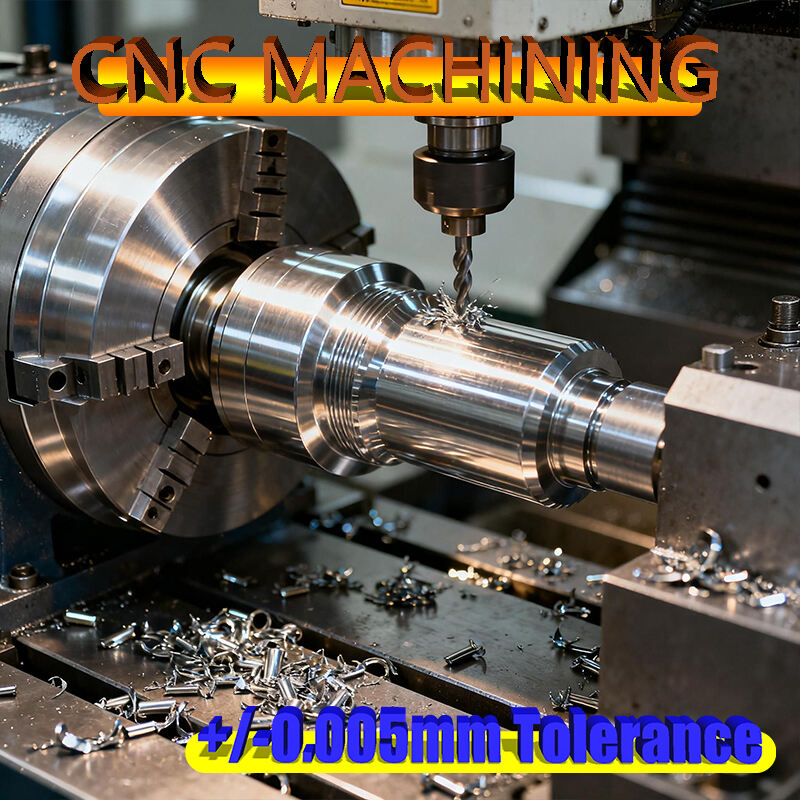
Оптимизация прототипирования медицинских устройств за счёт точности обработки на станках с ЧПУ
Гул станка с ЧПУ наполняет нашу лабораторию, когда мы устанавливаем заготовку из биосовместимого алюминия. Каждое движение точно рассчитано — резка, фрезерование и токарная обработка — всё выполняется с жёсткими допусками. В проектировании медицинских устройств отклонение всего в 0,01 мм может привести к снижению эксплуатационных характеристик. Именно поэтому мы полагаемся на Изготовление прецизионных деталей на станках с ЧПУ для ускорения итераций прототипов, обеспечивая при этом высочайшую надёжность. От хирургических инструментов до диагностических устройств — обработка на станках с ЧПУ позволяет нам быстрее достигать сложных геометрических форм по сравнению с традиционными методами производства.
Почему детали, изготовленные на станках с ЧПУ, необходимы для медицинских устройств
Конструирование медицинских устройств требует деталей, которые не просто функциональны, но также отличаются высокой надёжностью и воспроизводимостью. Обработка на станках с ЧПУ обеспечивает:
-
Высокая точность размеров: Предельные отклонения до ±0,005 мм гарантируют идеальную подгонку компонентов при сборке.
-
Гибкость по материалам: Металлы (нержавеющая сталь, титан, алюминиевые сплавы) и полимеры для применений, требующих стерилизации.
-
Быстрая прототипизация: Более быстрые циклы итераций сокращают время выхода на рынок, что критично для конкурентных секторов здравоохранения.
-
Поддержка соответствия нормативным требованиям: Детали ЧПУ могут быть последовательно задокументированы в соответствии со стандартами ISO 13485 или FDA.
Пример: В нашем последнем проекте по созданию портативного диагностического сканера корпуса деталей ЧПУ снизили количество ошибок при сборке на 37 % и сократили время прототипирования с 4 недель до всего 10 дней.
Пошаговый рабочий процесс ЧПУ в проектировании устройств
Понимание того, как Обработка CNC интегрируется в медицинское проектирование, повышая эффективность:
| Ступень | Действия | Преимущество |
|---|---|---|
| 1 | Моделирование в CAD | Точный цифровой чертёж для прецизионной обработки |
| 2 | Выбор материала | Выберите биосовместимые металлы или пластики, соответствующие требованиям FDA |
| 3 | Программирование CNC | Преобразование САПР в инструкции станка для точной резки |
| 4 | Прототипная обработка | Высокая точность, снижение человеческих ошибок |
| 5 | Проверка и тестирование | Обеспечивает соответствие допусков медицинским стандартам |
| 6 | Итерация | Быстрые корректировки в CAD и оперативная повторная обработка |
Такой структурированный подход обеспечивает измеримость каждого этапа создания прототипа, снижая риски перед массовым производством.
Повышение эффективности в реальных условиях
В одном из случаев стартап, разрабатывающий хирургический инструмент, добился:
-
сокращение циклов прототипирования на 30% за счёт использования специализированных деталей, изготовленных на станках с ЧПУ, вместо внешней ручной обработки.
-
сокращение отходов материалов на 25% благодаря оптимизированным траекториям ЧПУ
-
Повышенная надёжность деталей , минимизируя корректировки после сборки.
Эти результаты — не просто цифры; они означают более быстрое проведение клинических испытаний и более ранние возможности подачи заявок к FDA.
Лучшие практики при выборе поставщиков ЧПУ для медицинских устройств
Выбор правильного партнёра напрямую влияет на результат:
-
Подтверждённый опыт в производстве медицинских компонентов: Запрашивайте примеры кейсов или рекомендации от клиентов.
-
Передовое оборудование ЧПУ: Возможности фрезерования и токарной обработки на многоосевых станках для сложных геометрических форм.
-
Протоколы контроля качества: Инспекция в процессе производства, отчётность по измерениям на КИМ и документация с полной прослеживаемостью.
-
Экспертные знания в области гибких материалов: Возможность работы с нержавеющей сталью, титаном и полимерами медицинского класса.
-
Быстрое выполнение и итерации: Минимальные размеры партий с возможностью быстрого прототипирования.
Совет: Запросите образцы пробных деталей перед началом полномасштабного производства для проверки точности и качества поверхности.
Заключение: Точность CNC-обработки способствует инновациям в медицине
От моделирования CAD до готовых прототипов, Изготовление прецизионных деталей на станках с ЧПУ преодолевают разрыв между инновационным дизайном и функциональной реализацией в медицинских устройствах. Обеспечивая высокую точность, целостность материалов и быструю итерацию, CNC-обработка позволяет проектным командам сокращать сроки разработки, повышать надежность и ускорять вывод продукции на рынок — при этом соблюдая строгие медицинские нормативы.
Использование экспертных знаний в области CNC-обработки в процессе проектирования устройств — это не просто выбор, а конкурентное преимущество.
Содержание
- Оптимизация прототипирования медицинских устройств за счёт точности обработки на станках с ЧПУ
- Почему детали, изготовленные на станках с ЧПУ, необходимы для медицинских устройств
- Пошаговый рабочий процесс ЧПУ в проектировании устройств
- Повышение эффективности в реальных условиях
- Лучшие практики при выборе поставщиков ЧПУ для медицинских устройств
- Заключение: Точность CNC-обработки способствует инновациям в медицине