 EN
EN


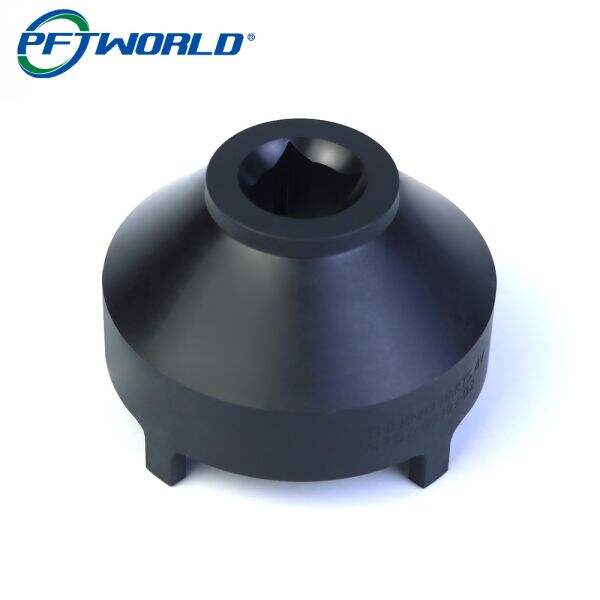
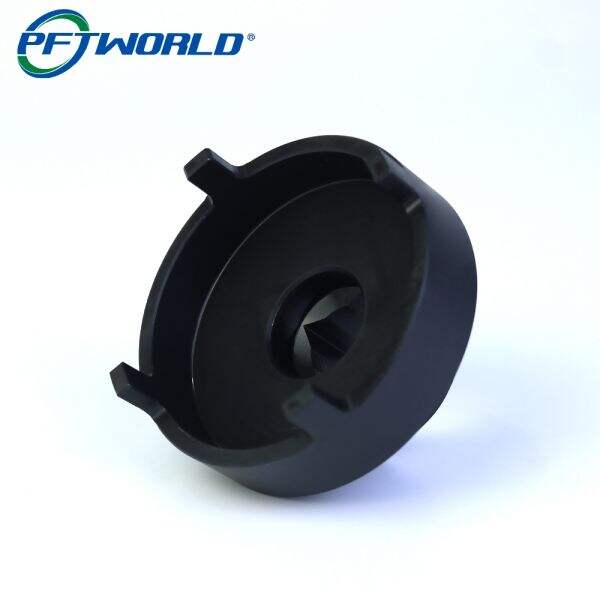
Preskúmajte, ako súčiastky spracované CNC umožňujú rýchlu a presnú výrobu výrobných vzoriek pri vývoji nových výrobkov. Porovnajte CNC a 3D tlač, dozviete sa viac o výrobe nízkotlakových výrobných vzoriek (1–50 ks) a vyberte si vhodnú službu rýchleho výrobného vzorkovania pomocou CNC obrábania.
Súčiastky spracované CNC pre rýchle výrobné vzorky pri vývoji nových výrobkov
Na začiatku každého roka sa výskumné a vývojové tímy stretávajú s intenzívnym tlakom presunúť nápady na nové výrobky z konceptu k overeniu. Keď sa schvaľuje čoraz viac projektov a dokončujú sa vývojové plány, dopyt po spoľahlivých riešeniach pre rýchle výrobné vzorky prudko stúpa. Medzi dostupnými možnosťami, Súčiastky spracované CNC pre rýchle vytváranie prototypov stále zostávajú uprednostňovanou voľbou pre inžinierov a manažérov výrobkov, ktorí vyžadujú rýchlosť, presnosť a realistické materiály.
Prečo CNC spracovanie pre rýchle vytváranie prototypov?
CNC spracovanie poskytuje rozmerovo presné prototypové súčiastky z reálnych materiálov používaných v sériovej výrobe, ako je hliník, nehrdzavejúca oceľ, mosadz a technické plasty. Na rozdiel od konceptuálnych modelov sa prototypové súčiastky vyrobené CNC správajú podobne ako konečné výrobné komponenty, čo ich robí ideálnymi pre funkčné testovanie, overenie montáže a skoré overenie trhu.
Mnoho tímov sa spolieha na službu rýchleho vytvárania prototypov pomocou CNC spracovania na skrátenie cyklov iterácií a predchádzanie nákladným prepracovaniam neskôr v sériovej výrobe.
CNC spracovanie vs. 3D tlač: praktické porovnanie
Hoci je 3D tlač účinná pre vizuálne modely a skoré overovanie konceptov, má niekoľko obmedzení:
-
Rozdiely materiálov tlačené súčiastky zvyčajne nezodpovedajú materiálom konečnej výroby
-
Nižšia presnosť tolerance sú zvyčajne voľnejšie ako pri CNC obrábaní
-
Obmedzenia povrchu a pevnosti nie je vhodná pre mechanické alebo záťažové testy
Naopak CNC obrábanie ponúka:
-
Pozdĺžne a priečne tolerance (často ±0,01 mm)
-
Vynikajúca povrchová kvalita
-
Skutočné materiálové vlastnosti pre testovanie zaťaženia, tepla a opotrebovania
Pre funkčné prototypy je CNC obrábanie často spoľahlivejšou cestou.
Výroba prototypov v malom objeme (1–50 ks)
Moderné CNC pracovné postupy podporujú výrobu prototypov v malých sériách , zvyčajne od 1 do 50 kusov , s krátkymi dodacími termínmi. To umožňuje tímom:
-
Testovať viaceré návrhové varianty súčasne
-
Vykonávať skúšobnú montáž a testovanie použiteľnosti
-
Plynulý prechod od prototypu k výrobe
Výber skúseného Dodávateľ prototypových súčiastok opracovaných CNC zabezpečuje konzistenciu, opakovateľnosť a škálovateľnosť pri postupe projektov.
Kto má najväčšiu úžitok?
-
Inžinieri overovanie tolerancií, pasovania a výkonu
-
Manažéri výrobkov skracovanie doby vývoja produktu na trh s nižším rizikom
Hľadáte spoľahlivého službu rýchleho vytvárania prototypov pomocou CNC spracovania ?
Kontaktujte náš inžiniersky tím, aby ste získali odbornú podporu pri návrhu pre výrobu (DFM), rýchle ponuky a presné súčiastky opracované CNC, prispôsobené vašej novovej výrobe.