 EN
EN


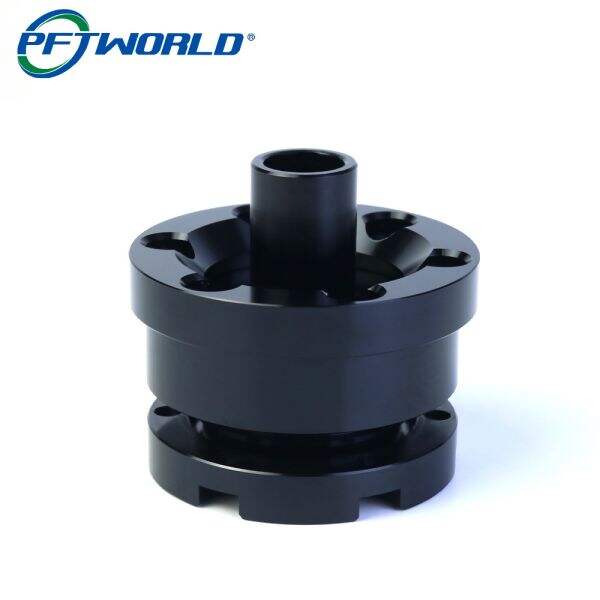
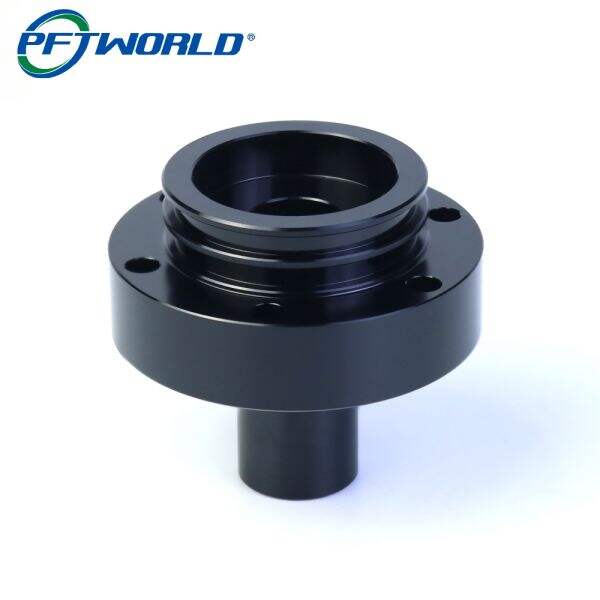
Alamin ang pinakakaraniwang mga isyu sa kalidad ng mga bahagi na ginagawa sa CNC, kabilang ang pagkakaiba sa sukat, mga depekto sa ibabaw, mahinang pagkakabit, at pagbabago ng anyo ng materyal — kasama ang mga na-probekang solusyon upang matiyak ang pare-parehong kalidad ng mga bahaging ginagawa sa CNC.
Karaniwang Mga Isyu sa Kalidad ng mga Bahagi na Nakagagawa gamit ang CNC — at Paano Iwasan ang mga Ito
Sa presisyong pagmamanupaktura, Mga isyu sa kalidad ng mga bahagi na ginagawa sa CNC ay isa sa mga pangunahing dahilan ng mga nakalaang proyekto, kabiguan sa pagkakabit, at dagdag na gastos. Ang pag-unawa sa mga depekto na ito — at kung paano maiiwasan ang mga ito — ay napakahalaga para sa mga inhinyero, mga tagabili, at mga designer ng produkto na nangangailangan ng maaasahang mga komponente na ginagawa sa CNC.
Nasa ibaba ang pinakakaraniwang Mga depekto at solusyon sa paggawa ng mga bahagi sa CNC , ipinaliwanag mula sa tunay na karanasan sa produksyon.
1. Paglikha ng Dimensyon
Problema:
Ang paglikha ng dimensyon ay nangyayari kapag ang mga natapos na bahagi ay lumalabag sa mga itinakdang toleransya, lalo na sa mga aplikasyong may mahigpit na ±0.01 mm. Karaniwang dulot nito ang pagsusukat ng tool, pagbabago ng temperatura, o hindi tamang kalibrasyon ng makina.
Solusyon:
-
Regular na kalibrasyon ng makina at kompensasyon sa init
-
Pagsusuri ng buhay ng tool at nakatakdaang pagpapalit
-
Pagsusuri habang nagpapatakbo gamit ang CMM o digital na sukatan
2. Mga Marka ng Surface Tool
Problema:
Ang nakikitang mga guhit ng tool o hindi pare-parehong surface finish ay binabawasan ang estetika ng bahagi at maaaring makaapekto sa mga functional na ibabaw tulad ng mga lugar para sa sealing o sliding.
Solusyon:
-
Optimisahin ang mga parameter ng pagputol (bilis, feed, lalim)
-
Gamitin ang mga sharp na tool at tamang tool path
-
Ilapat ang mga proseso ng pangalawang pagwawakas kapag kinakailangan
3. Mahinang Pagkaka-fit sa Pagsasaayos
Problema:
Ang mga bahagi na sumusunod sa kanilang indibidwal na mga toleransya ay maaari pa ring mabigo sa panahon ng pagsasaayos dahil sa mga error sa pag-akumulat (stack-up) o sa mga pagkakamali sa disenyo.
Solusyon:
-
Pagsusuri ng toleransya na nakatuon sa pagsasaayos
-
Pagsusuri sa pamamagitan ng pagsasaayos na eksperimento bago ang mass production
-
Malinaw na komunikasyon sa pagitan ng mga koponan sa disenyo at pagmamasakla
4. Deformasyon ng Materyales
Problema:
Ang mga bahaging may manipis na pader o gawa sa aluminum na naka-CNC ay maaaring magbaluktot pagkatapos ng pagmamasakla dahil sa paglabas ng panloob na stress o sa hindi tamang pagkakapit.
Solusyon:
-
Mga estratehiya sa pagpapalaya ng stress sa pagmamasakla
-
Balanseng pag-alis ng materyales
-
Tamang disenyo ng fixture at pagkakasunod-sunod ng pagmamachine
Paano Garantihin ang Kalidad ng CNC Machining
Ang mga maaasahang supplier ay nababawasan ang mga depekto sa pamamagitan ng isang istrukturadong Proseso sa QC , kabilang dito:
-
Pagsusuri ng Umupo ng Materiales
-
Pamantayan sa Kalidad sa Proseso
-
Panghuling inspeksyon gamit ang CMM, mga gauge ng taas, at mga tester ng ibabaw
Dapat kasama sa bawat pagpapadala mga ulat sa inspeksyon sa pabrika , mga rekord ng dimensyon, at mga sertipiko ng materyales — upang matiyak ang nakapag-uugnay na pagsubaybay (traceability) at pare-parehong kalidad ng CNC machining.
Kesimpulan
Ang pag-iwas sa mga isyu sa kalidad ng CNC machining ay hindi tungkol sa pag-aayos ng mga depekto matapos ang produksyon — kundi tungkol sa pag-alis ng mga panganib bago pa man sila mangyari. Ang pagpili ng isang tagagawa na may napatunayang mga sistema ng quality control ang pinakaepektibong paraan para matiyak ang kumpiyansa sa eksaktong sukat, pagkakasunod-sunod, at pangmatagalang katiyakan.
Hanap ka ba ng supplier ng CNC na binibigyang-prioridad ang kalidad mula sa prototype hanggang sa produksyon?
Kontakin Hanapin Kami Ngayon upang talakayin ang iyong mga kinakailangan sa CNC machining at makatanggap ng detalyadong plano sa assurance ng kalidad para sa iyong mga bahagi.