 EN
EN


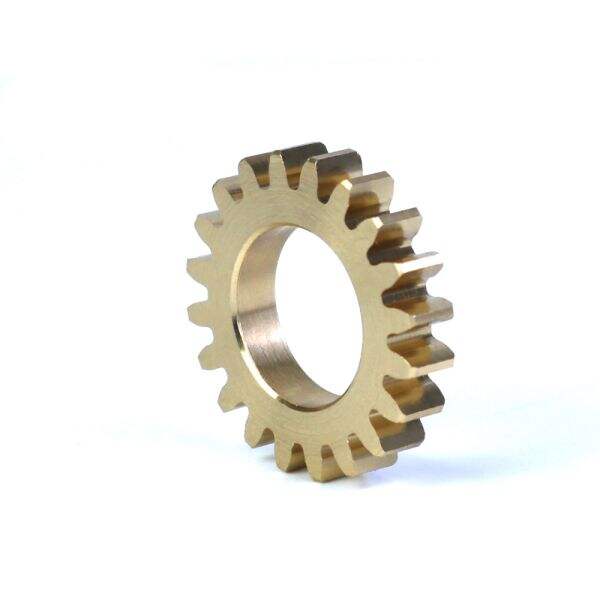
Özelleştirilmiş Hassas Bakır Parçalar Fabrikasının İçinde: Süreç ve Kapasite (2026 Kılavuzu)
Özelleştirilmiş hassas bakır parçalar nasıl üretilir? Hangi süreçler, kalite kontrol yöntemleri ve üretim kapasiteleri, 2026 yılında bir üst düzey tesisin özelliklerini belirler?
Bir hassas bakır parçalar fabrikasının iç işleyişini anlamak, alıcılar, mühendisler ve satın alma yöneticileri için tedarikçi yeteneğini, güvenilirliğini ve teslimat performansını değerlendirmek açısından hayati öneme sahiptir .
1️⃣ Malzeme Alımı ve Muayenesi
-
İşlenen bakır kaliteleri: En yaygın olanlar C101 (OFE) ve C110 (ETP); diğerleri elektriksel veya termal gereksinimlere göre C102, C120’yi içerir.
-
Gelen Malzeme Kontrolü: Malzeme sertifikaları (ASTM B170, ASTM B152), boyutsal kontroller ve iletkenlik testleri.
-
Depolama: Oksijensiz bakır için nem kontrolü sağlanan, oksidasyona karşı korunaklı depolama.
Görüş: Üretim başlamadan önce yapılan kapsamlı malzeme doğrulaması ile kusurların %15’ten fazlası önlenmektedir.
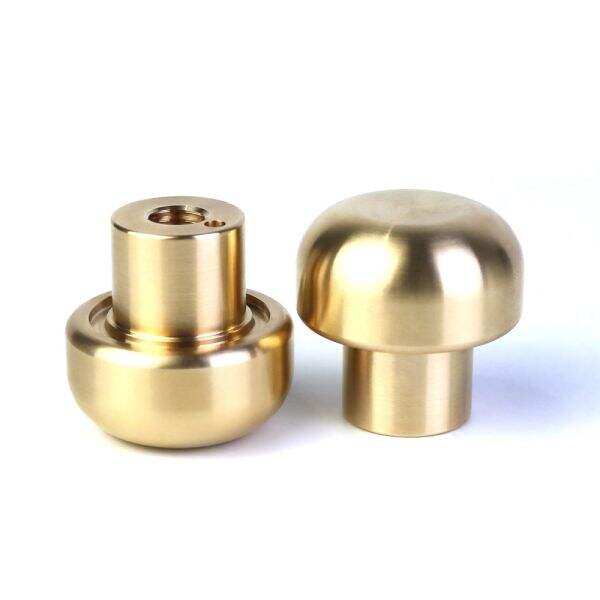
2️⃣ Kesme ve Şekillendirme
-
İşlem: CNC işlemenin hazırlanması için bant testere, kesme veya lazer kesme yöntemleri.
-
Hacim: Yüksek hacimli fabrikalar günde 10–15 ton bakırı işlenebilir hale getirilmiş plakalara kadar kesebilir.
-
Ana kontrol noktaları: Gerilim oluşumundan kaçınmak, düzlemsellik sağlamak ve kenar dikişlerini (burunları) azaltmak.
3️⃣ CNC İşleme
-
Ekipman: karmaşık geometriler için 3 eksenli, 4 eksenli ve 5 eksenli CNC freze tezgâhları ile torna makineleri.
-
Hassas toleranslar: i̇şlevsel gereksinime bağlı olarak ±0,005 mm ile ±0,05 mm arasında.
-
Süreç kontrolleri:
-
Takım Aşınma İzleme
-
Sıkma ve sabitleme optimizasyonu
-
Deformasyonu önlemek için dengeli kesme
-
Soğutma sıvısı ve sıcaklık yönetimi
-
Kapasite Notu: Yüksek düzeydeki fabrikalar şu sayıda CNC makinesi çalıştırabilir: aynı anda 20–50 adet CNC makinesi , haftada binlerce parça üretir.
4️⃣ Kenar temizleme ve yüzey işlemenin tamamlanması
-
Manuel ve otomatik kenar temizleme: Kenarların 0,02 mm'den küçük olmasını sağlar.
-
Yüzey kaplaması hedefleri: Ra 0,8–1,6 μm tipik; RF veya yüksek frekanslı parçalar için ayna yüzeyi isteğe bağlıdır.
-
Denetim: Optik sistemler, yüzey pürüzsüzlüğünü ve boyutsal tutarlılığı doğrular.
Gerçek Fabrika İçgörüsü: Yetersiz kenar temizleme (deburring), kaplama reddinin başlıca nedenidir (> geçmişi verilerde %5 reddi).
5️⃣ Kaplama ve Boyama
-
Yaygın Sonlandırma İşlemleri:
-
Nikel (korozyon koruması)
-
Kalay (lehimlenebilirlik)
-
Gümüş (yüksek akım iletimi)
-
-
Süreç kontrolü:
-
Kaplama öncesi temizlik
-
Kalınlık ve yapışma ölçümü
-
Düzgün işleme ile çarpılmayı önlemek
-
Üretim Hızı Örneği: Orta ölçekli bir fabrika, günde 2.000–5.000 parça kaplayabilir otomatik hat kontrolleriyle.
6️⃣ Muayene ve Kalite Güvencesi
-
Boyutsal Denetim: CMM (Koordinat Ölçüm Makineleri), mikrometreler, yükseklik ölçerler
-
Elektriksel Test: Elektriksel bileşenler için iletkenlik ve temas direnci kontrolü
-
Örneklemeye dayalı muayene mi yoksa %100 muayene mi: Müşteri gereksinimlerine ve kritikliğe bağlıdır
-
İzlenebilirlik: Parti ve parça seviyesinde belgelendirme
Ana İstatistik: Satır içi yapay zekâ destekli muayene, insan hatasını %30–%40 oranında azaltabilir.
8️⃣ Paketleme ve Nakliye
-
Koruma: Oksidasyona karşı koruyucu kağıt, köpük dolgular ve hassas geometriler için özel üretilmiş tepsiler
-
Parti ayrılmışlığı: İzlenebilirliği sağlar ve kritik toleranslı parçaların karışmasını önler
-
Teslim süresi yönetimi: Yüksek öncelikli projeler için hızlı nakliye; orta ölçekli seri üretim için standart teslim süresi 2–4 hafta
9️⃣ Fabrika Kapasitesi Genel Bakışı (Kıyaslama)
| Özellik | Kapasite/Kabiliyet |
|---|---|
| CNC makineleri | 20–50 eş zamanlı |
| Günlük İşleme Çıktısı | 5.000–15.000 parça (orta parti) |
| Kenar Temizleme ve İşleme | %100 otomatik + elle dokunma ile tamamlama |
| Kaplama Hatları | 2–4 otomatik hat |
| Denetleme | Satıh içi KMM + Yapay Zekâ Görüşü + İstatistiksel Süreç Kontrolü (SPC) |
| Malzeme depolama | Oksijensiz ve standart bakır için kontrol edilmiştir |
2026’da Uygulanan 9️⃣ Gelişmiş Uygulama
-
Yapay zekâ destekli muayene: Mikro-deformasyonları ve kenar kesintilerini gerçek zamanlı olarak tespit eder.
-
İstatistiksel Süreç Kontrolü (SPC) ve IoT entegrasyonu: Fabrika, makine performansını, kesme kuvvetlerini ve sıcaklığı izler.
-
Hibrit işleyici teknolojisi: Karmaşık geometriler için CNC’yi eklemeli imalat veya lazer süreçleriyle birleştirir.
-
Sürdürülebilirlik: Bakır hurda geri dönüşümü ve enerji verimli işleyici süreçler, çevresel etkiyi azaltır.
Alıcıların Dikkat Etmesi Gerekenler
-
Fabrika makinalarını ve süreç akışını değerlendirin: CNC çeşitliliği, kaplama hatları ve muayene yeteneği açısından değerlendirme yapın.
-
Parti seviyesinde izlenebilirlik talep edin: Özellikle EV, yarı iletken veya yüksek akım uygulamaları için.
-
Üretim kapasitesi ile tolerans arasındaki farkı anlayın: Yüksek kapasite her zaman yüksek hassasiyet anlamına gelmez; ikisi de teknik özelliklerinize uygun olmalıdır.
-
Gelişmiş muayene teknolojisi için kontrol edin: Yapay zekâ ve satır içi İstatistiksel Süreç Kontrolü (SPC), tutarlılığı artırır.
Sonuç: 2026 yılında modern özel hassas bakır parçalar fabrikası, yüksek CNC kapasitesi, gelişmiş muayene, kontrollü yüzey işlemi ve güvenilir kaplama teknolojilerini bir araya getirir . Alıcılar, bu süreçleri anlayarak ve hem üretim hacmi hem de hassasiyet gereksinimlerini karşılayan fabrikalarla tedarik süreçlerini uyumlu hâle getirerek riski azaltabilirler. hacim ve hassasiyet gereksinimleri .
İçindekiler
- 1️⃣ Malzeme Alımı ve Muayenesi
- 2️⃣ Kesme ve Şekillendirme
- 3️⃣ CNC İşleme
- 4️⃣ Kenar temizleme ve yüzey işlemenin tamamlanması
- 5️⃣ Kaplama ve Boyama
- 6️⃣ Muayene ve Kalite Güvencesi
- 8️⃣ Paketleme ve Nakliye
- 9️⃣ Fabrika Kapasitesi Genel Bakışı (Kıyaslama)
- 2026’da Uygulanan 9️⃣ Gelişmiş Uygulama
- Alıcıların Dikkat Etmesi Gerekenler