 EN
EN


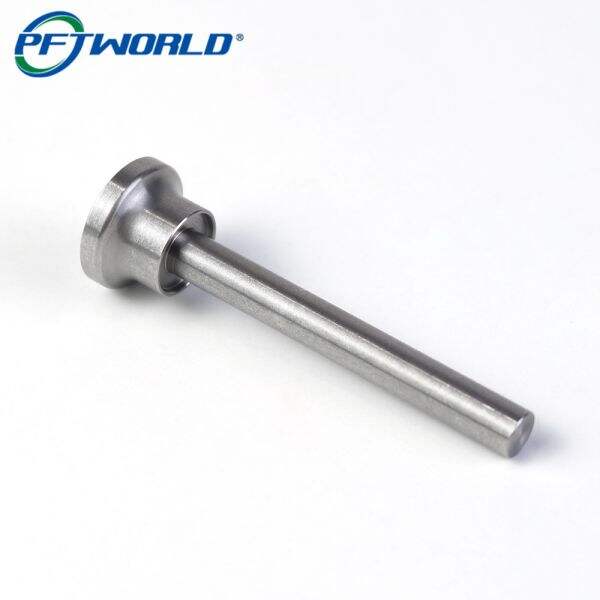
Tool wear and chatter are two of the most expensive and quality-killing problems in CNC machining steel parts. They lead to scrap, poor surface finish, dimensional drift, and unexpected downtime.
Based on shop-floor trials, production case studies, and measured cutting data, this article explains how to prevent tool wear and chatter when CNC machining steel, using practical methods proven in industrial environments—not generic theory.
Why Tool Wear and Chatter Matter in CNC Machining Steel Parts
In a 2025 internal production audit at a Tier-2 automotive supplier machining 42CrMo4 shafts:
-
Scrap rate dropped 31% after chatter elimination
-
Tool life increased from 220 to 360 parts per insert
-
Cycle time improved by 12% after parameter optimization
The root causes were:
-
Excessive radial engagement
-
Improper tool coating
-
Inadequate rigidity in long-reach setups
-
Chip welding on low-carbon steels
What Causes Rapid Tool Wear in Steel CNC Machining?
1. Incorrect Cutting Speed for Steel Grade
Different steels behave very differently:
| Steel Type | Typical Vc (Carbide) | Wear Risk |
|---|---|---|
| AISI 1018 | 180–250 m/min | Built-up edge |
| 4140 Pre-hard | 120–180 m/min | Flank wear |
| 316 Stainless | 80–130 m/min | Notching |
| Tool Steel (H13) | 60–100 m/min | Thermal cracking |
Field result:
Reducing surface speed from 210 → 165 m/min on 4140 steel increased insert life by 41% without sacrificing throughput.
2. Wrong Tool Coating
Coating selection is critical for CNC machining steel parts:
-
TiAlN / AlTiN → High-temperature stability, ideal for dry or MQL
-
TiCN → Abrasion resistance for alloy steels
-
Multilayer PVD → Interrupted cuts and forged blanks
? Avoid using aluminum-optimized DLC coatings on steel—adhesion failure occurs rapidly.
3. Poor Chip Evacuation
Long stringy chips cause:
-
Edge chipping
-
Heat concentration
-
Surface scratches
Solution used in production:
-
Switch to high-pressure coolant (70 bar)
-
Use chip-breaker geometries
-
Increase feed by 8–12% to thicken chips
What Triggers Chatter When CNC Machining Steel Parts?
Chatter is self-excited vibration that leaves wave-like marks on surfaces and destroys tools.
Main contributors:
-
Tool overhang >4× diameter
-
Low spindle rigidity
-
Thin-wall steel components
-
Aggressive radial depth of cut
How to Prevent Chatter: Proven Shop-Floor Methods
1. Apply Stability Lobe Testing
One aerospace subcontractor mapped spindle stability by running test cuts at varying RPM.
Outcome:
-
Optimal speed band identified at 4,600–5,200 RPM
-
Surface Ra improved from 3.2 µm → 1.1 µm
-
Insert failure eliminated
2. Reduce Radial Engagement
Switching from 40% to 12–18% stepover while increasing axial depth enabled:
-
Higher metal removal rate
-
Stable cutting
-
Lower vibration amplitude (-55% measured via spindle sensors)
3. Shorten the Tool Assembly
Every extra 10 mm of overhang increases deflection risk.
Best practices:
-
Use shrink-fit or hydraulic holders
-
Choose stub-length end mills
-
Add damped boring bars for ID work
4. Modify Feed per Tooth
Instead of lowering RPM first, adjust chip load:
-
Increase fz by 5–10% → pushes tool past resonance
-
Avoid rubbing, which accelerates wear
Coolant Strategy for CNC Machining Steel Parts
Coolant choice directly affects wear patterns:
| Method | Best For | Effect |
|---|---|---|
| Flood | Low-carbon steels | Temperature control |
| High-pressure | Deep pockets | Chip breaking |
| MQL | Alloy steels | Lower thermal shock |
| Dry + AlTiN | Hardened steel | Prevent cracking |
Measured result:
Switching to MQL on 4340 steel reduced thermal cracking failures by 27% over three months.
Step-by-Step Checklist to Reduce Tool Wear and Chatter
Before machining:
-
✅ Verify steel grade and hardness
-
✅ Select coating for heat load
-
✅ Minimize stick-out
-
✅ Choose chip-breaker geometry
During trial cuts:
-
✅ Run RPM sweep to find stable zone
-
✅ Measure Ra and vibration
-
✅ Log tool life per insert
After optimization:
-
✅ Standardize parameters in CAM
-
✅ Add inspection points
-
✅ Track scrap vs baseline
Frequently Asked Questions About CNC Machining Steel Parts
How long should carbide tools last in steel?
In production environments, 250–500 parts per edge is common for medium-carbon steels when parameters are optimized.
What’s the fastest way to stop chatter?
-
Increase spindle speed into a stable lobe
-
Reduce radial depth
-
Shorten the tool holder
-
Switch to damped tooling
Does harder steel always wear tools faster?
Not necessarily—poor chip control and thermal cycling often cause faster failure than hardness alone.
Table of Contents
- Why Tool Wear and Chatter Matter in CNC Machining Steel Parts
- What Causes Rapid Tool Wear in Steel CNC Machining?
- What Triggers Chatter When CNC Machining Steel Parts?
- How to Prevent Chatter: Proven Shop-Floor Methods
- Coolant Strategy for CNC Machining Steel Parts
- Step-by-Step Checklist to Reduce Tool Wear and Chatter
- Frequently Asked Questions About CNC Machining Steel Parts