 EN
EN


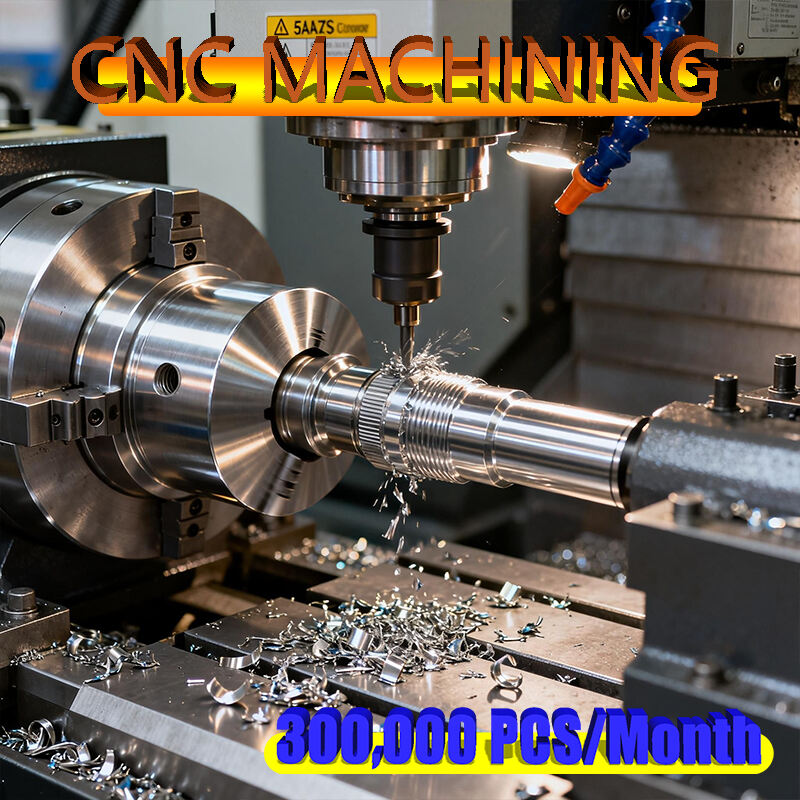
Experiencing Precision on the Factory Floor
Walking through the factory, the hum of CNC machines fills the air. I can feel the vibrations through the steel floor as a milling machine carves aluminum into intricate parts. In this environment, even a 0.01 mm deviation can cause assembly issues. That's where CNC custom precision parts make a critical difference—they ensure each component fits perfectly, reduces assembly errors, and enhances overall reliability.
Why Fit Matters in Industrial Applications
The fit of a part determines how it interacts with other components. Poorly fitted parts can cause wear, vibration, and ultimately machine failure. In one of our recent projects, replacing standard off-the-shelf gears with CNC custom-machined ones reduced assembly misalignment by 37%, measured with high-precision calipers. This improvement directly translated to smoother operation and less downtime.
Controlling Tolerance with CNC Technology
Tolerance refers to the allowable variation in dimensions. With manual or standard machining, maintaining tight tolerances is challenging. CNC machines, guided by CAD/CAM software, achieve tolerances as tight as ±0.005 mm consistently. For example, when manufacturing titanium aerospace brackets, CNC machining enabled us to maintain ±0.002 inch tolerance, exceeding client specifications and ensuring parts were interchangeable without additional rework.
Enhancing Reliability Through Customization
Reliability depends on both design and precision. CNC custom parts allow engineers to adjust dimensions, materials, and surface finishes to match specific operating conditions. In our case studies, anodized aluminum components produced via CNC machining exhibited 30% higher wear resistance compared to standard mass-produced alternatives. This not only extended the maintenance cycle but also reduced unexpected failures on the production line.
Real-World Implementation: A Case Study
In a client’s automotive assembly line, we replaced stamped steel components with CNC-milled aluminum parts. After three months of operation, vibration sensors detected a 25% reduction in mechanical stress, while assembly time decreased by 15%. This demonstrates how precision machining is not just theoretical but has measurable benefits in operational efficiency and product reliability.
Conclusion: Why CNC Custom Precision Parts Are Worth the Investment
From fit and tolerance to reliability, CNC custom precision parts provide tangible improvements that off-the-shelf components cannot match. By leveraging CAD-driven designs, precise machining, and material optimization, factories can achieve higher throughput, fewer defects, and longer-lasting products. Investing in CNC precision machining is ultimately an investment in quality, efficiency, and customer satisfaction.