 EN
EN


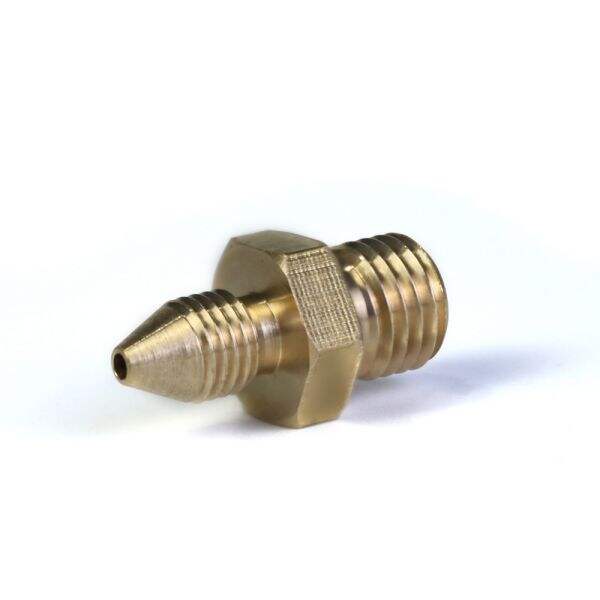
How to Choose Custom Precision Copper Parts for Electrical Applications (2026 Guide)
Which copper grade is best for electrical performance? How tight should tolerances be? Do you really need oxygen-free copper?
Choosing custom precision copper parts for electrical applications requires balancing conductivity, tolerance, surface finish, plating compatibility, thermal behavior, and cost. This guide shares practical engineering benchmarks based on real CNC production experience in EV, power distribution, and industrial control systems.
1️⃣ Start with Electrical Performance Requirements
Before selecting material or supplier, define:
-
Continuous current (A)
-
Peak current (A)
-
Operating temperature (°C)
-
Maximum contact resistance (µΩ)
-
Environmental exposure (humidity, vibration, corrosive gas)
Example: EV Power Busbar
-
Continuous load: 300A
-
Peak load: 450A
-
Target temp rise: ≤ 40°C
-
Required flatness: ≤ 0.05mm
Material selected: C110 (cost-effective, sufficient conductivity).
Insight: Over-specifying material without defining electrical load often increases cost unnecessarily.
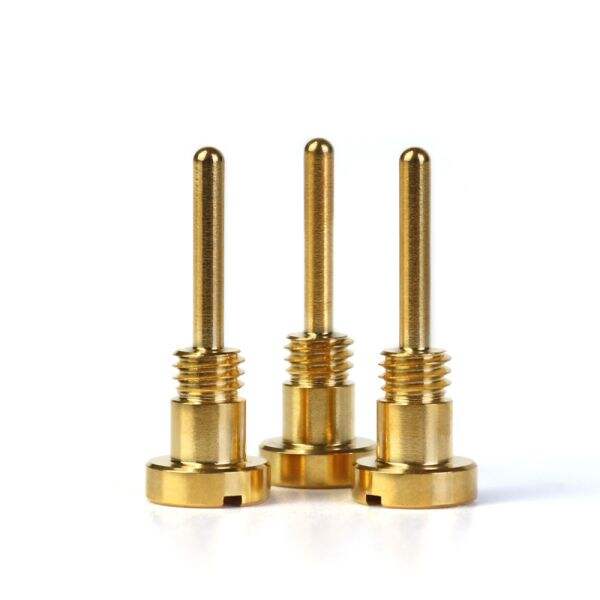
2️⃣ Choose the Right Copper Grade
The two most common grades for electrical precision parts are:
-
C101 copper (OFE)
-
C110 copper (ETP)
Key Differences
| Property | C101 | C110 |
|---|---|---|
| Purity | 99.99% | 99.9% |
| Conductivity | 101% IACS | 100% IACS |
| Oxygen Content | ≤0.001% | 0.02–0.04% |
| Cost | +8–12% | Baseline |
Selection Rule
Choose C101 when:
-
Ultra-low contact resistance required
-
Vacuum or semiconductor environment
-
Hydrogen brazing involved
-
RF shielding components
Choose C110 when:
-
EV busbars
-
Power distribution terminals
-
General industrial electrical components
-
High-volume cost-sensitive production
In most industrial applications, C110 provides excellent cost-performance balance.
3️⃣ Define Tolerance Only Where Functionally Necessary
Not all electrical parts require ultra-tight tolerance.
Practical CNC Tolerance Guidelines
| Application | Recommended Tolerance |
|---|---|
| General terminals | ±0.05mm |
| EV busbars | ±0.02mm |
| High-current modules | ±0.01–0.02mm |
| RF precision components | ±0.005–0.01mm |
Cost Impact
-
±0.05mm → baseline
-
±0.02mm → +10–15%
-
±0.01mm → +25–35%
Best practice: Tighten tolerance only on mating surfaces, hole position, and electrical contact zones.
4️⃣ Surface Finish & Contact Resistance
Surface roughness directly affects electrical performance.
Measured Contact Resistance Comparison
| Surface Roughness | Typical Contact Resistance |
|---|---|
| Ra 3.2 µm | Higher (unstable contact) |
| Ra 1.6 µm | Stable industrial standard |
| Ra 0.8 µm | Low resistance, optimal |
| Ra <0.4 µm | Minimal gain vs cost increase |
For most electrical copper parts:
Ra 0.8–1.6 µm is ideal.
Mirror polishing is usually unnecessary unless used in RF or high-frequency systems.
5️⃣ Plan Plating Strategy Early
Common plating options:
-
Nickel (corrosion protection)
-
Tin (solderability)
-
Silver (high-current contact performance)
Practical Advice
-
Silver plating reduces contact resistance significantly in high-load systems.
-
Nickel provides durable corrosion resistance.
-
Burr height should be <0.02mm before plating to avoid coating defects.
Failure to control burrs often increases plating rejection rates.
6️⃣ Control Flatness & Deformation
Copper is soft and stress-sensitive.
Recommended Flatness Targets
| Part Length | Suggested Flatness |
|---|---|
| < 80mm | ≤0.05mm |
| 80–150mm | ≤0.03–0.05mm |
| >150mm | ≤0.03mm (symmetrical machining required) |
Symmetrical machining and stress relief cycles improve stability.
7️⃣ Consider Thermal Expansion
Copper’s thermal expansion coefficient:
~16.5 µm/m·°C
Example:
100mm part × 10°C temperature change
→ 0.0165mm dimensional variation
If tolerance ≤0.02mm, inspection environment control becomes essential.
8️⃣ Volume Strategy & Manufacturing Method
| Production Type | Recommended Method |
|---|---|
| Prototype | CNC machining |
| Medium batch (1K–20K) | CNC + fixture optimization |
| High volume (>50K) | CNC + automation + inline inspection |
For automotive and EV customers, traceability and inspection reporting are often mandatory.
9️⃣ Cost Optimization Tips
Example cost impact for 3,000 pcs copper terminals:
| Upgrade | Estimated Cost Increase |
|---|---|
| C110 → C101 | +6–9% total |
| Tolerance ±0.05 → ±0.02 | +12% |
| Add silver plating | +18–25% |
| Ultra-flat ≤0.02mm | +20% |
Optimization strategy:
Upgrade only features that directly improve electrical performance.
Table of Contents
- 1️⃣ Start with Electrical Performance Requirements
- 2️⃣ Choose the Right Copper Grade
- 3️⃣ Define Tolerance Only Where Functionally Necessary
- 4️⃣ Surface Finish & Contact Resistance
- 5️⃣ Plan Plating Strategy Early
- 6️⃣ Control Flatness & Deformation
- 7️⃣ Consider Thermal Expansion
- 8️⃣ Volume Strategy & Manufacturing Method
- 9️⃣ Cost Optimization Tips