 EN
EN


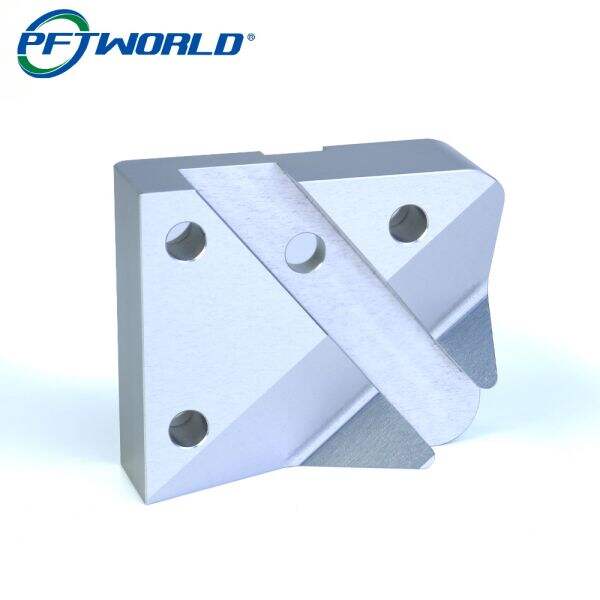
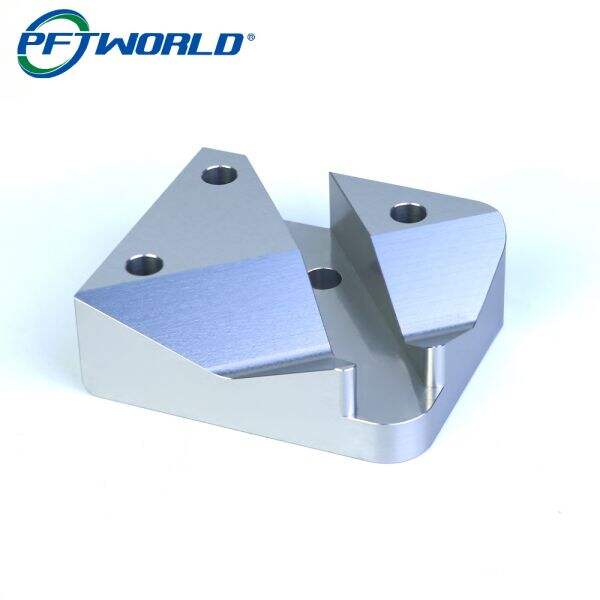
অঙ্কন থেকে ডেলিভারি পর্যন্ত সম্পূর্ণ CNC মেশিনিং ওয়ার্কফ্লো অন্বেষণ করুন। পেশাদার উত্পাদনকারীরা কীভাবে কাস্টম CNC মেশিনিং পার্টস অপটিমাইজ করেন—যেমন DFM, সারফেস ট্রিটমেন্ট, পরীক্ষা-নিরীক্ষা এবং সময়মতো ডেলিভারির জন্য প্যাকেজিং—তা শিখুন।
ড্রয়িং থেকে সম্পূর্ণ সিএনসি মেশিনিং পার্টস: সম্পূর্ণ উৎপাদন ওয়ার্কফ্লো
আজকের প্রতিযোগিতামূলক উত্পাদন পরিবেশে, CNC মেশিনিং পার্টস উৎপাদন প্রক্রিয়া ইঞ্জিনিয়ারদের, ক্রয় ব্যবস্থাপকদের এবং পণ্য ডিজাইনারদের জন্য অত্যন্ত গুরুত্বপূর্ণ। একটি স্পষ্ট ওয়ার্কফ্লো ক্রয় অনিশ্চয়তা কমায়, আপনার উত্পাদনকারীর বিশেষজ্ঞতা তুলে ধরে এবং উচ্চমানের ফলাফল নিশ্চিত করে। এই নিবন্ধে, আমরা অঙ্কন থেকে শুরু করে CNC মেশিনিং ওয়ার্কফ্লো চূড়ান্ত পার্টস পর্যন্ত প্রতিটি ধাপ বর্ণনা করছি, যা কাস্টম CNC মেশিনিং কম্পোনেন্টগুলির উৎপাদন প্রক্রিয়ায় প্রতিটি ধাপকে উদাহরণসহ ব্যাখ্যা করে।
১. অঙ্কন পর্যালোচনা: নির্ভুলতার প্রথম পদক্ষেপ
প্রতিটি সফল CNC প্রকল্প একটি বিস্তারিত ইঞ্জিনিয়ারিং অঙ্কন দিয়ে শুরু হয়। অঙ্কনটির গভীর পর্যালোচনা উত্পাদনকারীদের নিম্নলিখিত কাজগুলি সম্পাদন করতে সাহায্য করে:
-
মাত্রা, সহনশীলতা এবং উপকরণগুলি নিশ্চিত করুন।
-
উৎপাদনযোগ্যতা সংক্রান্ত সম্ভাব্য সমস্যাগুলি চিহ্নিত করুন।
-
সংযোজনের প্রয়োজনীয়তা বা কার্যকারিতা-সংক্রান্ত বাধাগুলি পরিষ্কার করুন।
অস্পষ্টতাগুলি আগেভাগে সমাধান করে, নির্মাতারা ত্রুটির ঝুঁকি কমান, লিড টাইম হ্রাস করেন এবং খরচ অপ্টিমাইজ করেন। এই ধাপটি আপনার সরবরাহকারীকে একজন পেশাদার অংশীদার হিসেবে প্রতিষ্ঠিত করে যিনি আপনার প্রকল্পের প্রযুক্তিগত ও কার্যকারিতা-সংক্রান্ত প্রয়োজনীয়তাগুলি বোঝেন।
২. DFM অপ্টিমাইজেশন: উৎপাদনযোগ্যতার জন্য ডিজাইন
নির্মাণযোগ্যতা জন্য ডিজাইন (DFM) কাজের প্রবাহের একটি অপরিহার্য অংশ। একটি পেশাদার CNC শপ নিম্নলিখিতগুলি মূল্যায়ন করে:
-
দেয়ালের পুরুত্ব, ছিদ্রের অবস্থান এবং কোণের ব্যাসার্ধ।
-
উপকরণের পছন্দ এবং যন্ত্রকর্মযোগ্যতা।
-
মিলিং, টার্নিং বা বহু-অক্ষ অপারেশনের জন্য সহনশীলতার বাস্তবসম্মততা।
CNC প্রক্রিয়ার জন্য ডিজাইন অপ্টিমাইজ করে নির্মাতারা যন্ত্রকর্ম সময় কমান, বর্জ্য ন্যূনতম করেন এবং অংশের সামঞ্জস্যতা উন্নত করেন। ক্লায়েন্টদের জন্য, DFM পর্যালোচনা বিশেষজ্ঞতা প্রদর্শন করে এবং আপনার সরবরাহকারীর প্রযুক্তিগত দক্ষতা সম্পর্কে বিশ্বাস গড়ে তোলে।
৩. সিএনসি মেশিনিং: কাঁচামাল থেকে আকৃতিযুক্ত অংশের উৎপাদন
ডিজাইন চূড়ান্ত হওয়ার পর, প্রকৃত মেশিনিং শুরু হয়। অংশের ধরনের উপর নির্ভর করে, উত্পাদকরা নিম্নলিখিতগুলি ব্যবহার করতে পারে:
-
সিএনসি মিলিং: জটিল ৩ডি জ্যামিতিক আকৃতির জন্য আদর্শ।
-
সিএনসি টার্নিং: চোটা আকৃতির উপাদানের জন্য দক্ষ।
-
বহু-অক্ষ মেশিনিং: কঠোর টলারেন্স প্রয়োজনীয় জটিল আকৃতির জন্য।
মেশিনিংয়ের সময় মনোযোগ কেন্দ্রীভূত থাকে প্রাকৃতিকতা, পুনরাবৃত্তিযোগ্যতা এবং পৃষ্ঠের সমাপ্তির ওপর। এই পর্যায়টি সরাসরি উত্পাদকের দক্ষতা এবং সরঞ্জামের গুণগত মানকে প্রতিফলিত করে।
৪. পৃষ্ঠ চিকিত্সা: কার্যকারিতা এবং চেহারা উন্নয়ন
মেশিনিংয়ের পর, অনেক অংশ নিম্নলিখিত প্রক্রিয়ার মাধ্যমে পাস করা হয় পৃষ্ঠ চিকিৎসা দৈর্ঘ্যায়ু, ক্ষয় প্রতিরোধ ক্ষমতা বা দৃষ্টিনন্দন গুণ উন্নয়নের জন্য। সাধারণ চিকিত্সাগুলি হল:
-
অ্যালুমিনিয়াম অংশগুলির জন্য অ্যানোডাইজিং বা কালো জারণ।
-
ক্ষয় প্রতিরোধের জন্য প্লেটিং বা কোটিং।
-
সংযোজনের প্রয়োজনীয়তা পূরণের জন্য পলিশিং বা ডিবারিং।
পৃষ্ঠ সমাপ্তকরণ শুধুমাত্র অংশটিকে সুরক্ষা দেয় না, বরং বিস্তারিত বিষয়ে মনোযোগ দেওয়ার ইঙ্গিতও দেয়—যা ক্রয় সিদ্ধান্তের একটি প্রধান ফ্যাক্টর।
৫. পরীক্ষা: প্রতিটি অংশ মানদণ্ড পূরণ করছে কিনা তা নিশ্চিত করা
গুণগত নিয়ন্ত্রণ অবশ্যই অপরিহার্য। একজন পেশাদার সিএনসি নির্মাতা নিম্নলিখিতগুলি ব্যবহার করে কঠোর পরীক্ষা পরিচালনা করে:
-
মাত্রাগত নির্ভুলতার জন্য সমন্বয় পরিমাপ যন্ত্র (সিএমএম)।
-
পৃষ্ঠের গুণগত মানের জন্য দৃশ্যমান ও স্পর্শজ্ঞান পরীক্ষা।
-
সংযোজন বা ফিট যাচাইয়ের জন্য কার্যকরী পরীক্ষা।
পরীক্ষার ফলাফল নথিভুক্ত করে নির্মাতারা দায়িত্বশীলতা ও বিশ্বস্ততা প্রদর্শন করে, যার ফলে ক্লায়েন্টের কাছে ত্রুটিপূর্ণ উপাদান পৌঁছানোর ঝুঁকি কমে যায়।
৬. প্যাকেজিং এবং ডেলিভারি: সময়োপযোগী ও নিরাপদ
সর্বোত্তমভাবে মেশিন করা যেকোনো পার্ট যদি অপ্রকৃতভাবে প্যাকেজ করা হয়, তবে তা ক্ষতিগ্রস্ত হতে পারে। নির্মাতারা নিশ্চিত করেন:
-
সুরক্ষামূলক আবরণ এবং কাস্টম-নির্মিত বাক্স।
-
স্পষ্ট লেবেলিং এবং পার্ট ট্র্যাকিং।
-
ক্লায়েন্টের সময়সূচীর সাথে সামঞ্জস্যপূর্ণ ডেলিভারি সময়সূচী।
কার্যকরী প্যাকেজিং এবং ডেলিভারি নিয়ন্ত্রণ নির্মাতার পেশাদার ছবি এবং গ্রাহক সন্তুষ্টির প্রতি প্রতিশ্রুতিকে আরও শক্তিশালী করে।
একটি পেশাদার কাজের প্রবাহ কেন গুরুত্বপূর্ণ?
CNC মেশিনিং-এর সম্পূর্ণ কাজের প্রবাহ অনুসরণ করা—অর্থাৎ ড্রয়িং পর্যালোচনা, DFM অপ্টিমাইজেশন, মেশিনিং, পৃষ্ঠ চিকিত্সা, পরীক্ষা এবং প্যাকেজিং—এর বেশ কয়েকটি সুবিধা রয়েছে:
-
স্পষ্ট প্রক্রিয়া ওভারভিউ প্রদান করে ক্রয় প্রক্রিয়ার মানসিক চাপ কমায়।
-
উৎপাদনকারী প্রতিষ্ঠানটি অভিজ্ঞ ও বিশ্বস্ত—এই বিশ্বাস গড়ে তোলে।
-
অংশগুলি সময়মতো এবং বাজেটের মধ্যে নির্দিষ্ট বৈশিষ্ট্য অনুযায়ী তৈরি হওয়া নিশ্চিত করে।
-
গুণগত মান, স্বচ্ছতা এবং প্রযুক্তিগত দক্ষতার উপর জোর দিয়ে দীর্ঘমেয়াদী অংশীদারিত্বকে সমর্থন করে।
ইঞ্জিনিয়ার এবং ক্রয় দলের জন্য এই কাজের প্রবাহ বোঝা শিল্পগত কঠোর মানদণ্ড অনুযায়ী সরবরাহের জন্য অত্যন্ত গুরুত্বপূর্ণ। কাস্টম সিএনসি যন্ত্রাংশ যা কঠোর শিল্পগত মানদণ্ড পূরণ করে।
কল টু অ্যাকশন
আপনি কি সিএনসি মেশিনিং পার্টস উৎপাদনে বিশ্বস্ত অংশীদার খুঁজছেন? আমাদের পেশাদার দল ডিএফএম-এর কঠোর অনুসরণ, উন্নত মেশিনিং, কঠোর পরীক্ষা-নিরীক্ষা এবং নির্ভরযোগ্য ডেলিভারির মাধ্যমে নির্ভুল উপাদান সরবরাহ করে। আজই আমাদের সাথে যোগাযোগ করুন আপনার প্রকল্প নিয়ে আলোচনা করতে এবং আপনার কাস্টম সিএনসি পার্টসের জন্য ব্যক্তিগতকৃত উৎপাদন পরিকল্পনা পেতে।
Table of Contents
- ১. অঙ্কন পর্যালোচনা: নির্ভুলতার প্রথম পদক্ষেপ
- ২. DFM অপ্টিমাইজেশন: উৎপাদনযোগ্যতার জন্য ডিজাইন
- ৩. সিএনসি মেশিনিং: কাঁচামাল থেকে আকৃতিযুক্ত অংশের উৎপাদন
- ৪. পৃষ্ঠ চিকিত্সা: কার্যকারিতা এবং চেহারা উন্নয়ন
- ৫. পরীক্ষা: প্রতিটি অংশ মানদণ্ড পূরণ করছে কিনা তা নিশ্চিত করা
- ৬. প্যাকেজিং এবং ডেলিভারি: সময়োপযোগী ও নিরাপদ
- একটি পেশাদার কাজের প্রবাহ কেন গুরুত্বপূর্ণ?
- কল টু অ্যাকশন