Building 49, Fumin Industrial Park, Pinghu Village, Longgang District
Sunday Closed

When buyers search for CNC machined parts, the real challenge isn’t finding a supplier—it’s ensuring consistent precision, stable quality, and cost control across batches.
This guide combines real production data, machining experience, and buyer pain points to help you make better sourcing decisions.
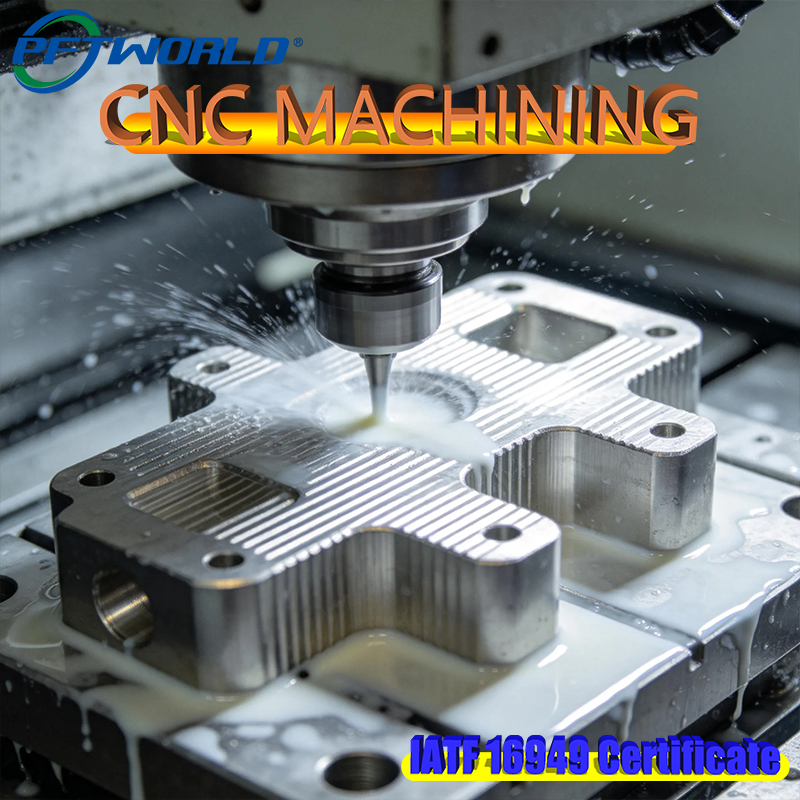
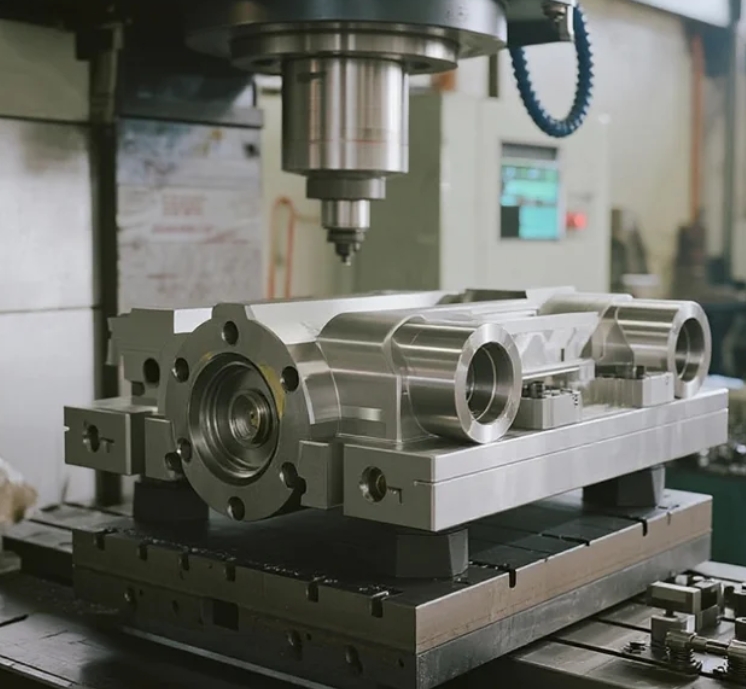
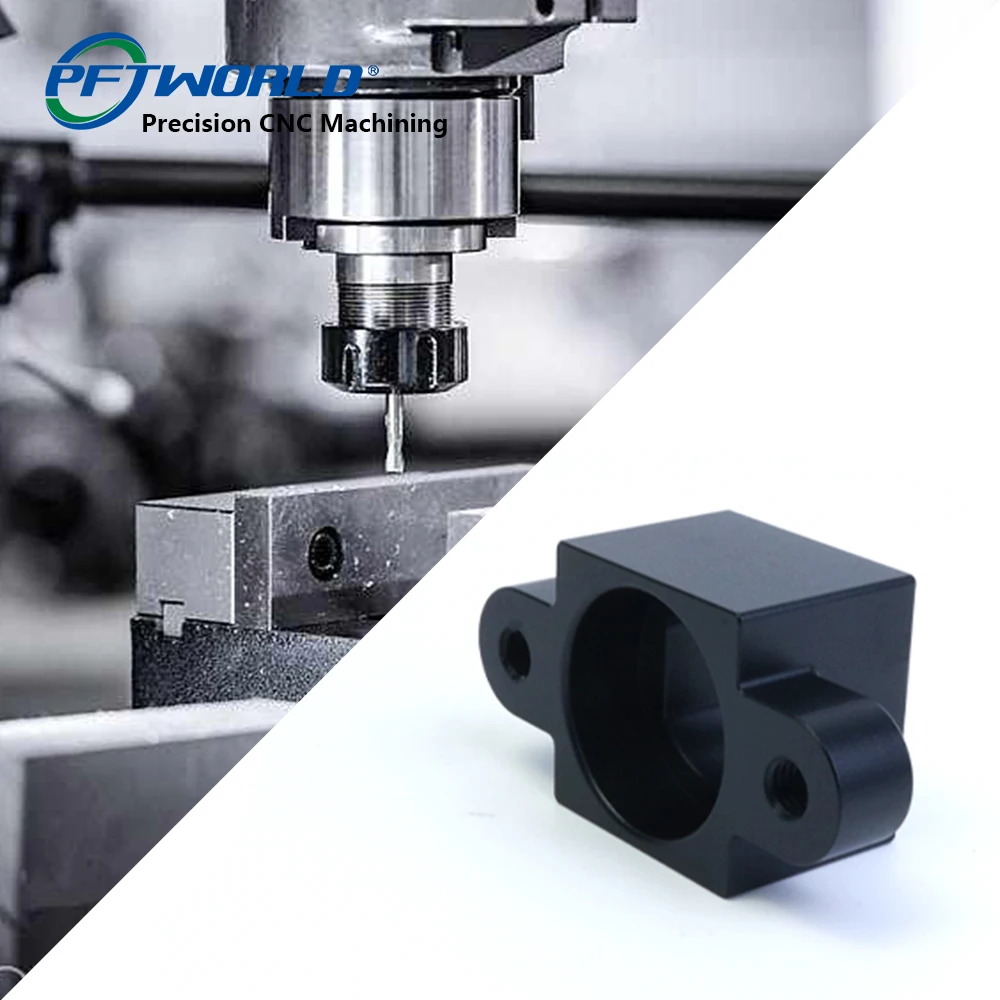
CNC machined parts are precision components manufactured using computer-controlled milling, turning, or multi-axis machining. They are widely used in:
Automotive systems
Aerospace components
Medical devices
Industrial automation
Core advantage: high accuracy, repeatability, and flexibility for complex geometries.
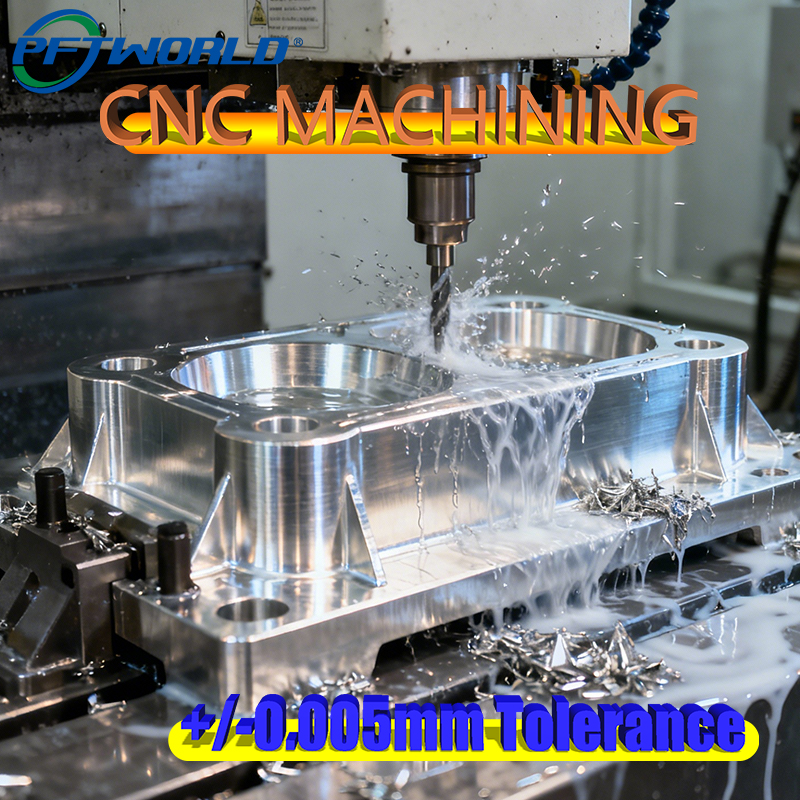
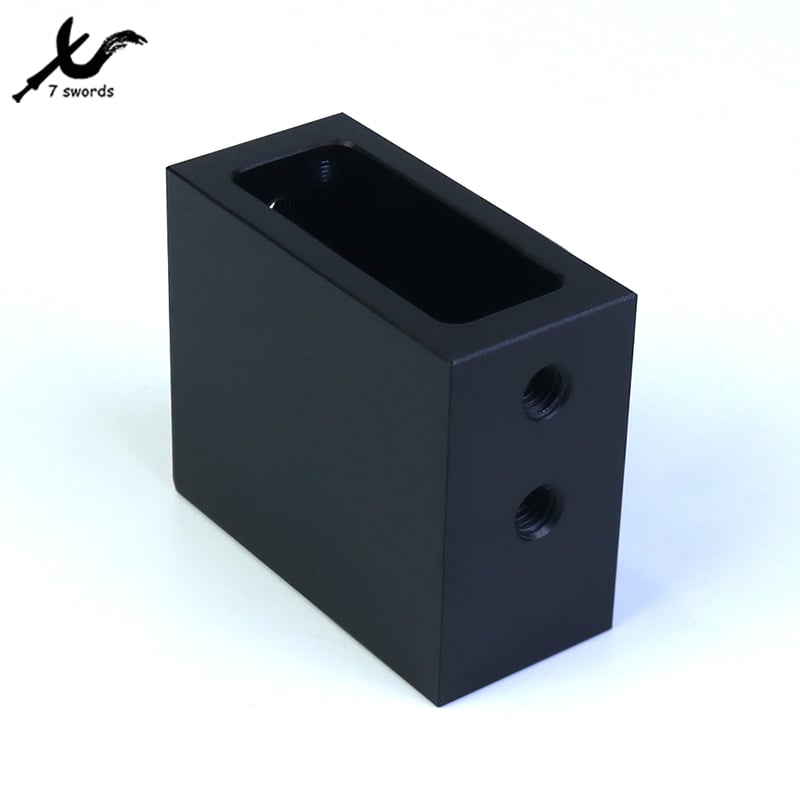
Project: Aluminum housing for automation equipment
Material: 6061-T6
Process: 3-axis CNC milling
Challenges:
Flatness requirement: ≤ 0.02 mm
Batch size: 5,000 pcs/month
Optimization:
Introduced fixture positioning system
Adjusted tool path strategy (reduced vibration)
Applied roughing + finishing separation
Result:
Flatness improved from 0.05 → 0.018 mm
Production efficiency increased by 22%
Scrap rate reduced from 6% → 2.1%
Insight: Process optimization often improves quality more than upgrading machines.
Complex shapes, slots, cavities
Suitable for housings, brackets
Cylindrical components
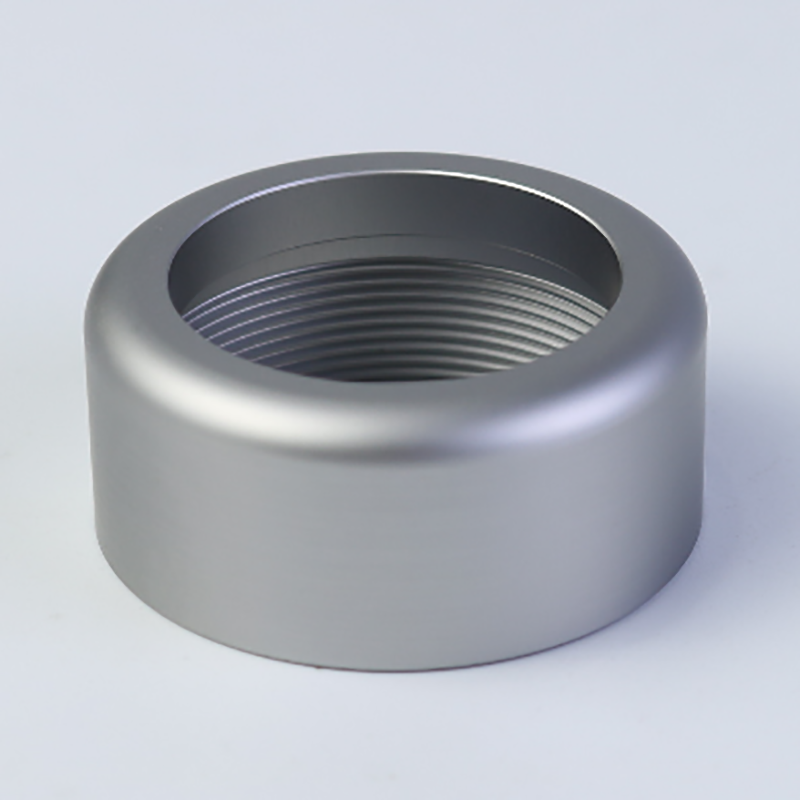
Shafts, bushings, threaded parts
Complex geometries
Reduced setups, higher precision
Buyer tip: Fewer setups = lower tolerance stack-up errors.
| Material | Best For | Key Benefit |
|---|---|---|
| Aluminum (6061/7075) | Lightweight structures | Easy machining, low cost |
| Stainless Steel | Corrosion-resistant parts | High durability |
| Brass | Electrical components | Excellent conductivity |
| Titanium | Aerospace / medical | High strength-to-weight ratio |
Real case: Switching from steel to aluminum reduced part weight by 63% in a robotics project, improving energy efficiency.
General tolerance: ±0.05 mm
Precision parts: ±0.01 mm or tighter
Common mistake: Over-specifying tolerance increases cost significantly without functional benefit.
| Finish Type | Roughness (Ra) | Application |
|---|---|---|
| As-machined | 1.6–3.2 μm | Internal parts |
| Anodized | Improved durability | Aluminum parts |
| Polished | ≤0.8 μm | Medical / aesthetic parts |
Before choosing a CNC machining supplier, confirm:
✅ 3/4/5-axis machining capability
✅ CNC turning + milling combined capacity
✅ Inspection equipment (CMM, height gauge)
✅ Surface treatment support
Industry data: Over 35% of quality issues come from inadequate inspection, not machining errors.
Prototype: 3–7 days
Mass production: 2–4 weeks
Tip: Ask for real production schedules, not just estimated lead times.
| Cost Factor | Impact on Price |
|---|---|
| Material | 30–50% |
| Machining time | 20–40% |
| Surface treatment | 10–20% |
| Tolerance level | +20–50% (tight tolerance) |
Optimization tip: Adjusting tolerance from ±0.01 → ±0.02 mm can reduce cost by up to 25%.
Before placing an order, ensure:
✅ Material certificate (MTR)
✅ Dimensional inspection report
✅ Surface roughness data
✅ Sample validation (prototype)
✅ Real case studies or references
Copyright © Shenzhen Perfect Precision Products Co., Ltd. All Rights Reserved — Privacy Policy — Blog
 EN
EN