 EN
EN


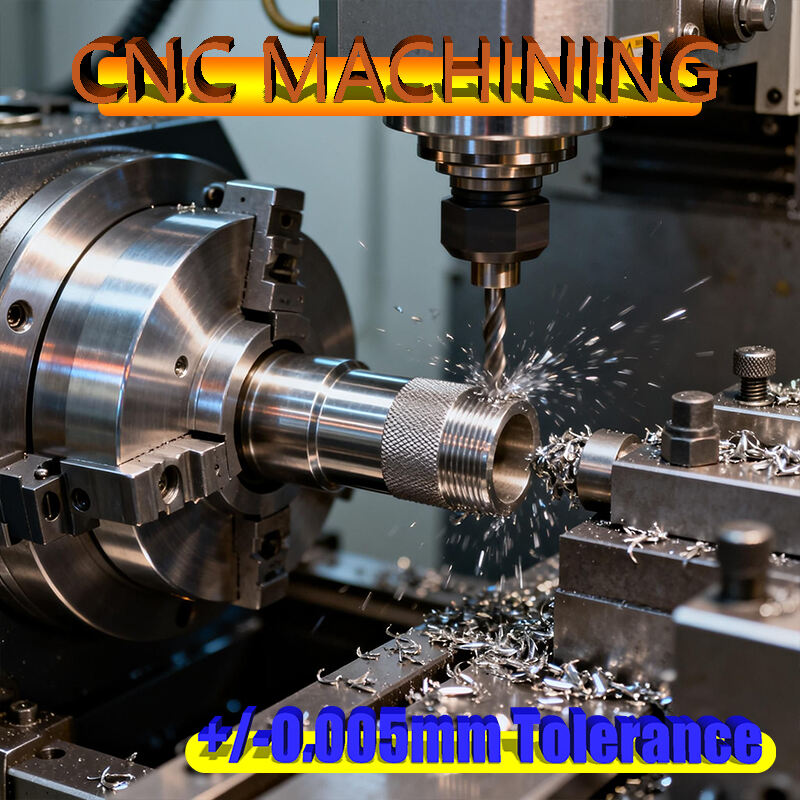
Երբ մտնում եք ժամանակակից գործարան, ինչն է իրականում գործում
Անցյալ ամիս ես Սուչժուի մեխանային արտադրամասում էի՝ կանգնած 5-աստիճան DMG Mori կենտրոնի կողքին, որն այդ պահին Al6061 օքսիդացված կազմոցների շարք էր կտրում։ Օպերատորը ինձ ասաց. «Եթե թույլատվությունը փոփոխվի ընդամենը 0,01 մմ-ով, ամբողջ շարքը կդառնա ողջակի ոչնչացված»։
Այսօր սա իրականությունն է՝ CNC-ի ընտրովի ճշգրտությամբ մասերը ոչ թե պարզապես մասեր են, այլ հաջորդ սերնդի արտադրության հիմնաքարն են , ավտոմատացված ռոբոտներից մինչև EV շարժիչային հանգույցներ
Բայց ինչո՞ւ են այս մասերը այդքան կարևոր: Եվ ինչո՞ւ են ձեռքբերման ինժեներները ավելի շատ տեղափոխվում բարձր ճշգրտությամբ հատուկ մշակման լուծումների ?
Եկեք վերլուծենք այն իրական արտադրական գաղափարներով, գործնական տվյալներով և լուծումներով, որոնք համընկնում են իրական գնորդների խնդիրների հետ:
H2: Ինչո՞ւ են CNC-ի հատուկ ճշգրիտ մասերը անհրաժեշտ հաջորդ սերնդի արտադրության համար
H3: 1. Արագընթաց, բարձր բեռնվածությամբ համակարգերի համար արտակարգ խիստ հանգույցներ
Մեր սարքավորման մեջ մենք պարբերաբար արտադրում ենք ±0.005–0.01 մմ հանգույցներ արտադրանքների համար արտադրանքների համար արտադրանքների համար արտադրանքների համար արտադրանքների համար արտադրանքների համար արտադրանքների համար արտադրանքների համար արտադրանքների համար արտադրանքների համար արտադրանքների համար արտադրանքների համար արտադրանքների համար արտադրանքների համար արտադրանքների համար արտադրանքների համար արտադրանքների համար արտադրանքների համար արտադրանքների համար արտադրանքների համար արտադրանքների համար արտադրանքների համար արտադրանքների համար արտադրանքների համար արտադրանքների համար ա......
Ահա ինչ դիտվեց իրական փորձարկումներից հետո.
| Կոմպոնենտի տիպ | Պահանջվող հանգույց | Անվանական վնասվածքի ազդեցությունը | Փորձարկման դիտարկում |
|---|---|---|---|
| Ռոբոտային հոդերի բուշինգներ | ±0.01 մմ | Վիբրացիան ↑, ճշգրտությունը ↓ | 0.012 մմ շեղում = կրկնելիության 14% կորուստ |
| EV ինվերտերի ջերմության արժեքներ | Հարթություն ≤0.03 մմ | Ջերմային վտանգի ռիսկ | 0.05 մմ հարթությունը ջերմաստիճանը բարձրացրեց +8°C-ով |
Այս թվերը ցույց են տալիս, թե ինչու ընդհանուր մշակում չի կարող ապահովել ժամանակակից արտադրության պահանջները— միայն հատուկ ճշգրիտ մեքենայական обработումը կարող է .
H2: Ինչպես են հատուկ CNC մասերը բարելավում հուսալիությունն ու հավաքակազմի արդյունավետությունը
H3: Իրական օրինակ՝ հավաքակազմի ժամանակի 23% -ով կրճատում
Ավտոմատացված արտադրամասի AGV համակարգեր արտադրող հաճախորդը պահանջում էր հատուկ շղթաղեկներ, առանցքներ և իրաններ .
Փոխարկման նախկին փուլում՝ հատուկ ճշգրիտ մեքենայական обработման
-
Տարբեր մատակարարներից մասերի օգտագործումը հանգեցնում էր անհամապատասխանության
-
հավաքակազմերի 18%-ը պահանջում էին ձեռքով վերամշակում
-
Մատչելիության ժամկետը կանխատեսելի չէր
Վերակազմավորումից և ճշգրիտ CNC արտադրությունից հետո
-
Հավաքակցման ժամանակը նվազել է 23%-ով
-
Վերամշակումը նվազել է 18% → 3%
-
Թույլատրելի շեղումների համընկնումը բարելավվել է 42%-ով
Այս պատճառով էլ ձեռք բերման թիմերը ավելի շատ են առաջնորդվում կրկնելիություն գնից բացի
H2: Ո՞ր տեխնոլոգիաներն են թույլատրում CNC պատվերով մասերին աջակցել «հաջորդ սերնդի» արտադրությանը
H3: 1. Բարդ երկրաչափությունների համար 5-առանցք մշակում
Նախատեսված է ավիատիեզերական ամրակների, իմպելլերների և ավտոմատացված թուրքների համար
Արտադրության մեջ նկատված առավելություններ.
-
38% պակաս կազմակերպումներ
-
15–20% բարձր ճշգրտություն՝ կապարի սխալը նվազեցնելու շնորհիվ
H3: 2. Հիբրիդային մշակում (CNC + EDM + սառը)
Այս մոտեցումն օգտագործում ենք պինդ գործիքային պողպատի համար (>HRC55):
Արդյունք՝
-
Մակերևույթի խոստությունը բարելավվել է Ra 1.6 → Ra 0.4 մկմ
-
Չափային շեղումը նվազեցվել է 35%
H3: 3. Ինքնաշխատ ԿԻՄ + SPC հսկում
Մեկ հաճախորդի վերացման մակարդակը նվազել է 5,7% → 1.2%sPC միտումների վերլուծությունը կիրառելով յուրաքանչյուր 30 հատ լոտի վրա:
H2: Գնորդների խնդիրները — և գործնական լուծումներ
❗ Խնդիր 1. «Թոլերանսի տվյալները չեն համընկնում գծագրի հետ»
Լուծում՝ Նախնական մշակման DFM զեկույցի օգտագործում
Մենք ներառում ենք
-
գործիքի հասանելիության սիմուլյացիա
-
լարվածության կենտրոնացման հնարավոր տեղեր
-
7075-T6, Ti-6Al-4V նման նյութերի հարմարեցվածության ստուգում
Սովորաբար DFM-ն նվազեցնում է չափադրումները 50–60%.
❗ Խնդիր 2. «Գինը տարբեր մատակարարների մոտ շատ տարբերվում է»
Լուծում՝ Տրամադրել գործընթացի հիման վրա կազմված ծախսերի բաշխում
Ներառյալ'
-
սարքավորման ժամադրույք
-
ձևավորման արժեք
-
վերջնական մշակման և ստուգման արժեք
-
սարքավորման + լոտի քանակի ազդեցություն
Օգնում է մատակարարման համեմատել իրական գործընթացային արժեք , ոչ միայն գինը:
❗ Խնդրի կետ 3. «Մատակարարման ուշացումները վտանգում են արտադրության կանգը»
Լուծում՝ 24 ժամվա պաշար + ավտոմատացված ծրագրավորում
Սա նվազեցնում է առաքման ժամկետի տատանումը ±5 օրից → ±1 օր .
H2: ԿՈՒՀ-ի միջոցով պատվիրված ճշգրիտ մասերի կիրառությունները, որոնք արդեն հզորացնում են հաջորդ սերնդի արտադրությունը
Ռոբոտաշինություն և Ավտոմատացում
-
Միացման տուփեր
-
Ռոբոտային բազկի միացումներ
-
Գծային ակտյուատորի բլոկներ
ADVANTAGE: ավելի հարթ շարժում + երկար ծառայողական վայրկյան
EV & Նոր էներգիա
-
Բատարեային սայլակի մասեր
-
Շարժիչի կափույրներ
-
Հաղորդման gears
ADVANTAGE: ջերմության դիսիպացիա ↑ / աղմուկ ↓
Բժշկական սարքեր
-
Վիրահատական գործիքների կողոպկներ
-
Իմպլանտների միացումներ
ADVANTAGE: միկրոնային կրկնելիություն + FDA սննդի համար հարմար մակերեսներ
Սեմիկոնդուկտորի համար սարքեր
-
Վակուումային խցի մասեր
-
Վեֆերի դիրքավորման շրջանակներ
ADVANTAGE: արտակարգ հարթ, անմաքրություններից ազատ մակերեսներ
H2: Ինչպես ընտրել CNC մատակարարին հատուկ ճշգրիտ մասերի համար (Կարճ ուղեցույց)
| Գնահատման չափանիշներ | Ինչ ստուգել | Խորհուրդ տրվող շեմ |
|---|---|---|
| Մշակման հնարավորություն | 5-առանցք, EDM, շփման | Պետք է ապահովի ամբողջական աջակցություն |
| Պահանջի կառավարում | CMM, օպտիկական ստուգում | հիմնարար չափումների 100% ստուգում |
| Սերտիֆիկացում | ISO 9001, ISO 13485 | Անհրաժեշտ է բարձրակարգ արդյունաբերության համար |
| Օրինակի սպառողական ժամանակ | Արագ նախատիպեր | 3-5 օր |
| Տվյալների մասնագիտություն | Ալ, ստալ, պղինձ, տիտան | Կոնքրետ տիպերից առնվազն 15+ |
Բովանդակության աղյուսակ
-
Երբ մտնում եք ժամանակակից գործարան, ինչն է իրականում գործում
- H3: 1. Արագընթաց, բարձր բեռնվածությամբ համակարգերի համար արտակարգ խիստ հանգույցներ
- H3: Իրական օրինակ՝ հավաքակազմի ժամանակի 23% -ով կրճատում
- H3: 1. Բարդ երկրաչափությունների համար 5-առանցք մշակում
- H3: 2. Հիբրիդային մշակում (CNC + EDM + սառը)
- H3: 3. Ինքնաշխատ ԿԻՄ + SPC հսկում
- ❗ Խնդիր 1. «Թոլերանսի տվյալները չեն համընկնում գծագրի հետ»
- ❗ Խնդիր 2. «Գինը տարբեր մատակարարների մոտ շատ տարբերվում է»
- ❗ Խնդրի կետ 3. «Մատակարարման ուշացումները վտանգում են արտադրության կանգը»
- Ռոբոտաշինություն և Ավտոմատացում
- EV & Նոր էներգիա
- Բժշկական սարքեր
- Սեմիկոնդուկտորի համար սարքեր