Building 49, Fumin Industrial Park, Pinghu Village, Longgang District
יום ראשון סגור


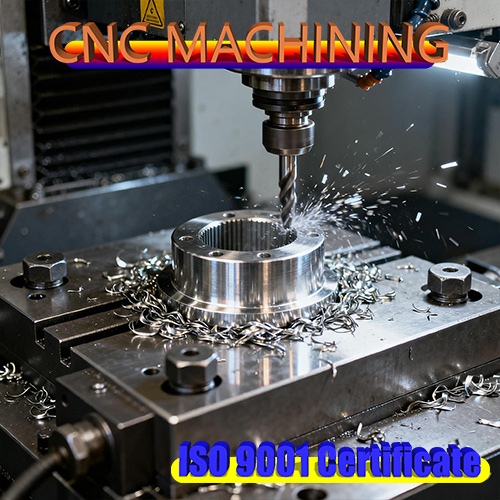
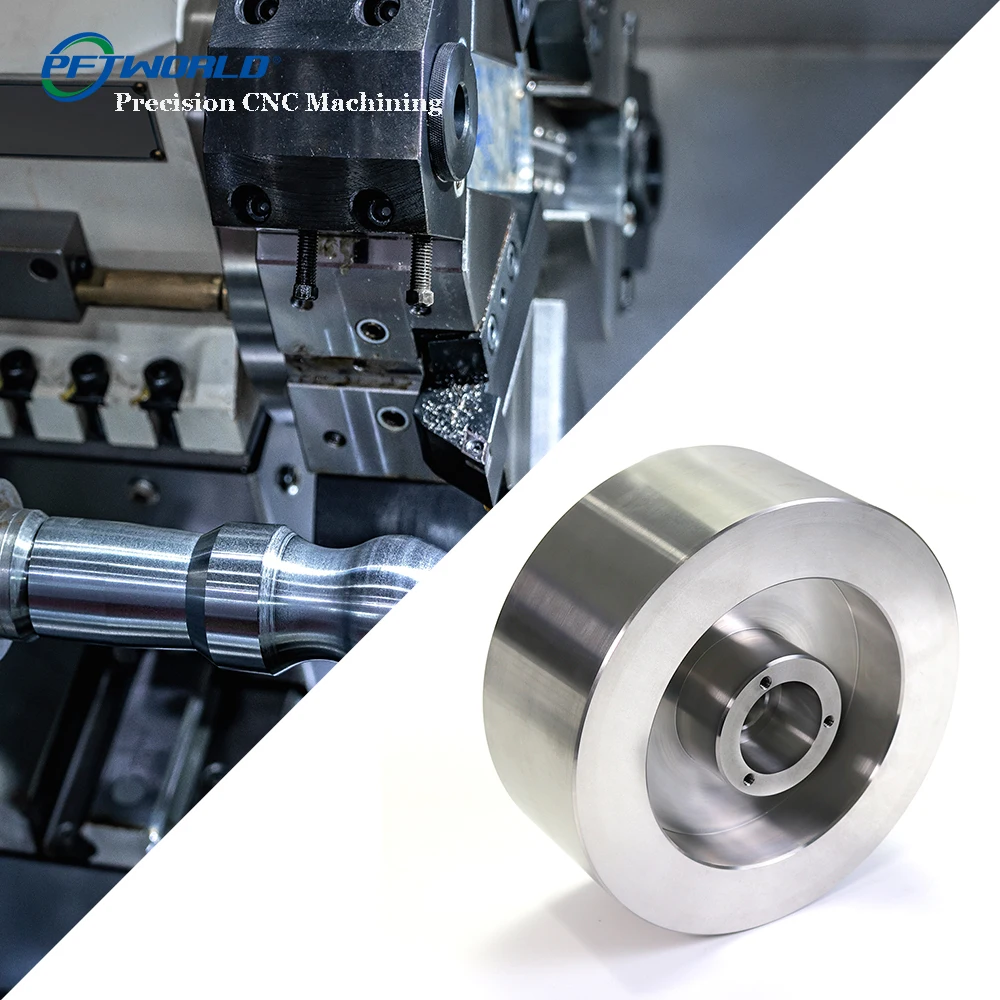
בעודנו מתהלכים בשטח המפעל, משמיעת המחרוזות של מכונות CNC שחותות מתכת מוצק מורגשת מיד, יחד עם הריח הקל של נוזל קירור והרטט הקל תחת רגליים מהסיבובים במהירות גבוהה.
באופן פשוט, הסביבה נышמת דיוק. כאן ממש נושמים לחיים את הרכיבים התעשייתיים, והבנת התהליך הזה היא מפתח אם אתם אחראים לאספקת חלקים אמינים.
כשאתם עובדים עם עיבוד CNC – או בקרה מספרית ממוחשבת – אתם בעצם משתמשים במחשבים כדי להנחות כלים כמו מחרטות ומכונות חילוף לעבד מרכיבים ממתכת או מפלסטיק בדיוק יוצא דופן.
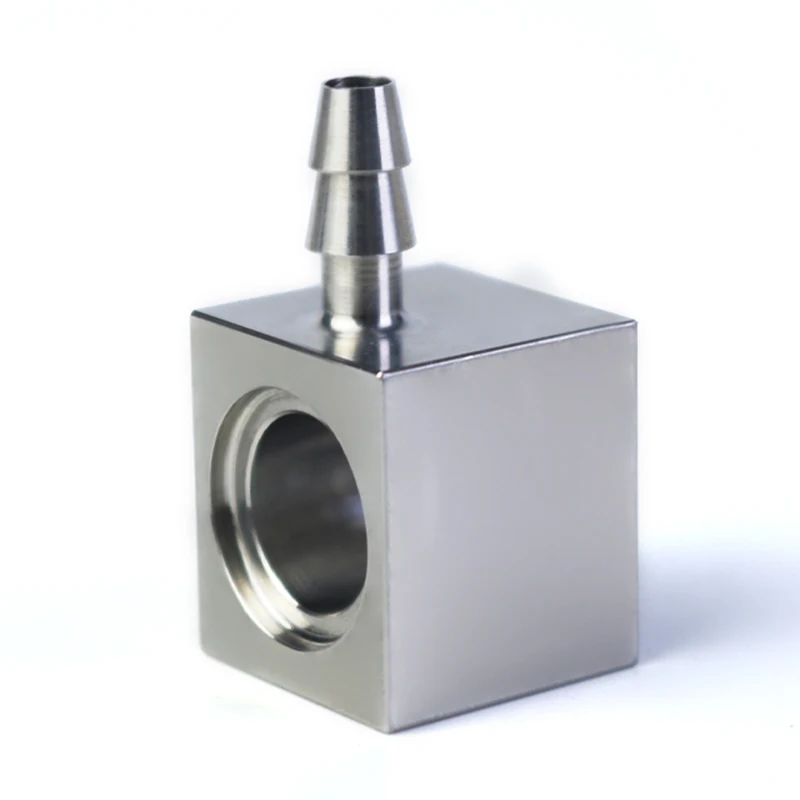
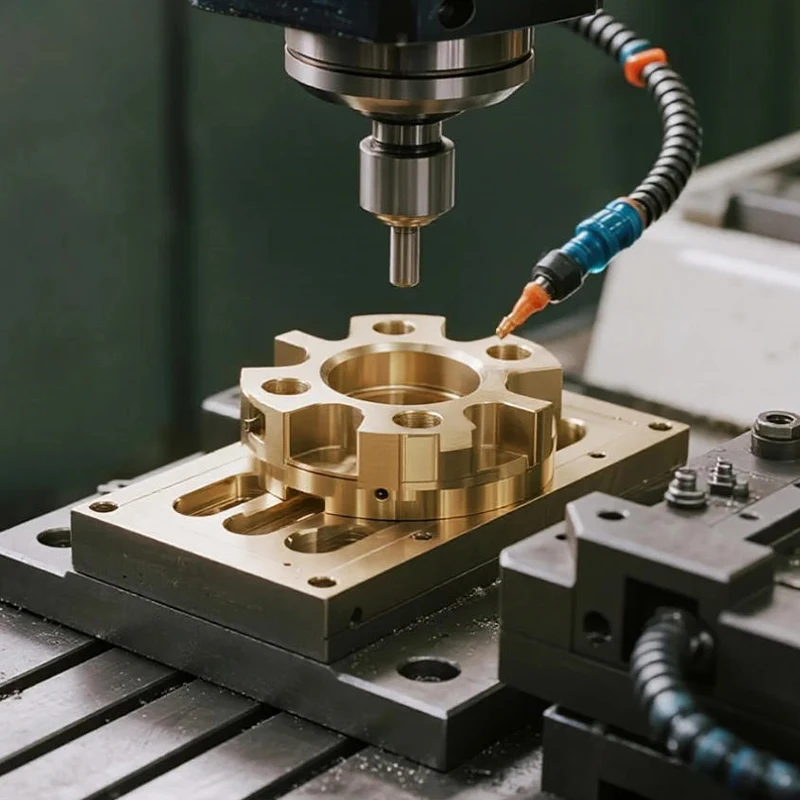
לדוגמה, מכונת חילוף CNC יכולה לפסל מחזיק אלומיניום עד 0.01 מילימטר , מה שקריטי ליישומים בעלי ביצועים גבוהים.
האם אי פעם שיניתם על כך איך סובלנות קטנה יכולה להשפיע על קו הייצור שלכם? זה יכול להיות ההבדל בין הרכבה חלקה לבין תקלה יקרה! תשומת לב זו לפרטים מבטיחה שכל רכיב מתאים בצורה מושלמת למכונה המיועדת לו, וכך מונעים עצירת ייצור.
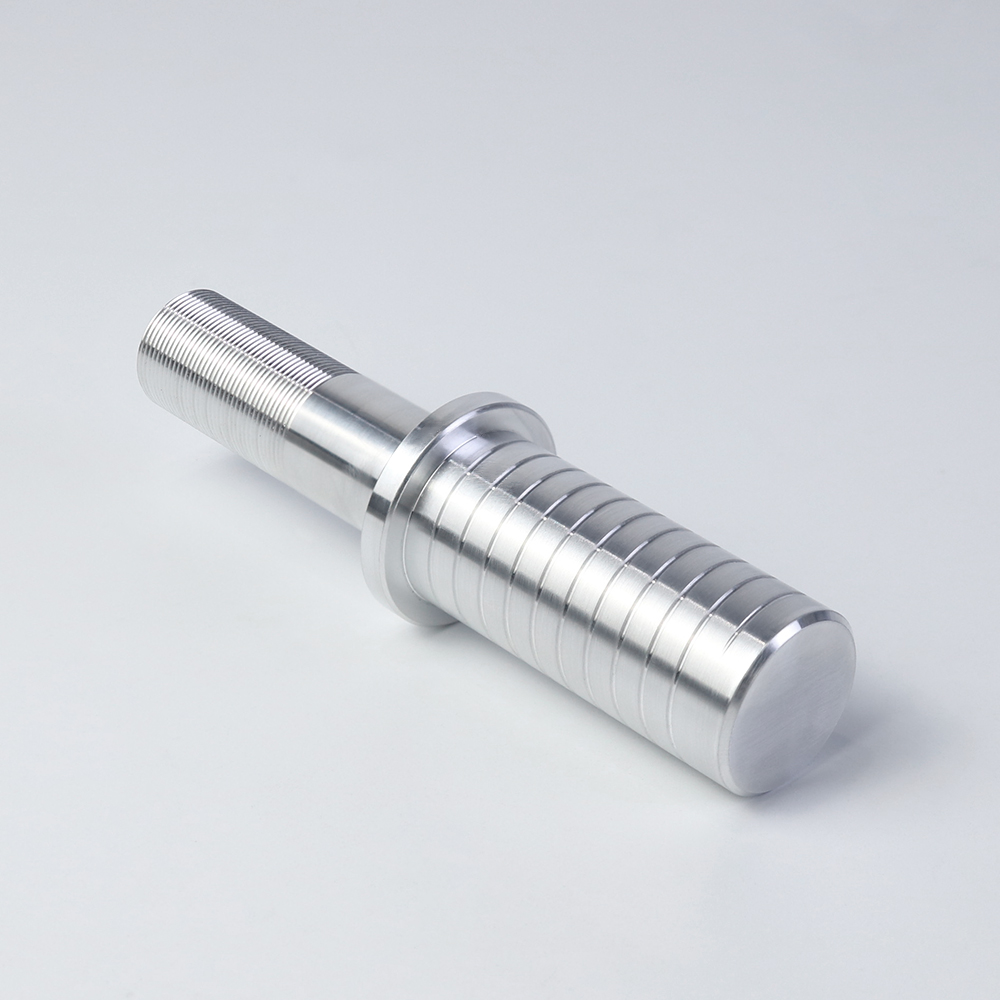
בפרויקט אמיתי אחד, התמודדנו עם אתגר בלתי צפוי: אצווה של חלקים מפלדת אל-חלד נכשלה בבדיקת האיכות שלנו עקב כיול לא נכון של הכלים.
ניתן לומר שזה היה שגיאה קטנה עם השלכות גדולות. אך החוויה לימדה אותנו את חשיבות בדיקות מהירות ציר קבועות וניטור בلى של כלים .
כעת יישמנו מערכת התראה אוטומטית לבריאות הציר , מצמצמת בצורה דרמטית שגיאות. למידה מתרחישים כאלה היא יקרה ערך כשאתם מחפשים ספקים — אתם רוצים יצרן שלא רק מתיקן טעויות, אלא מונע אותן באופן פרואקטיבי .
מונח חשוב נוסף הוא סיבולת , שמציין את הסטייה המותרת מממדי החלק המתוכננים.
כדי להמחיש, סובלנות של ±0.05 מ"מ אומרת שהמוצר הסופי יכול להשתנות מעט אך עדיין לתפקד נכון.
משפט קצר: סובלנות חוסכת לכם כאבי ראש.
מעבר לסובלנות, אנו גם מתמקדים ב מצב המשטח , מה שמשפיע על אופן שבו רכיבים פועלים עם חלקים אחרים. סיום חלק מפחית חיכה ובלייה, שחיוני ביישומים כמו מונעים 자וטריים או התקני רפואיים.
על ידי הבנת הפרטים האלה, אתם יכולים לסמוך על כך שהחלקים שתקנו יתפקדו באופן עקבי בתנאי קיצבה.
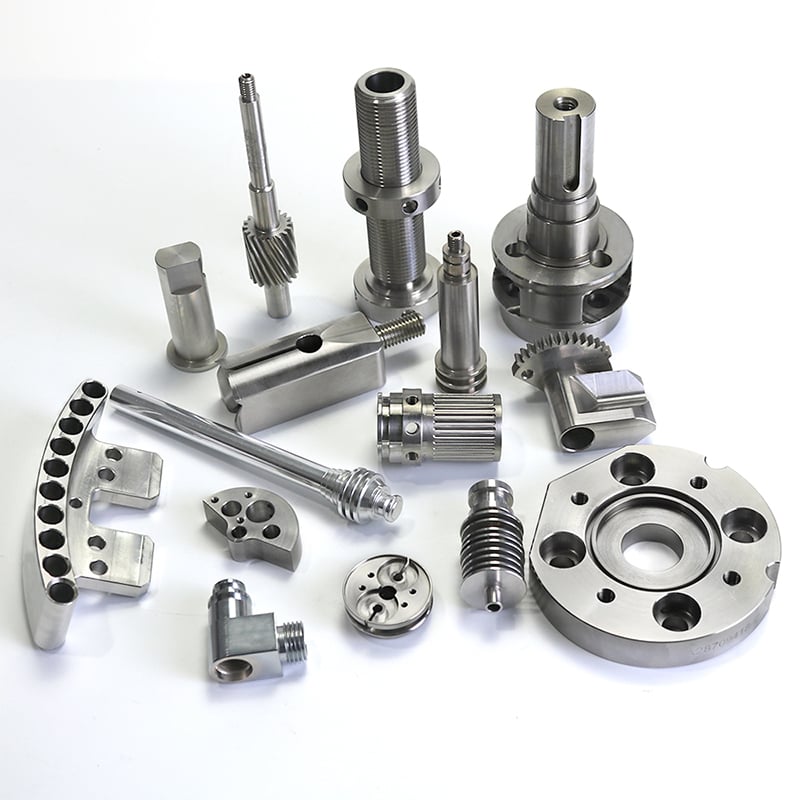
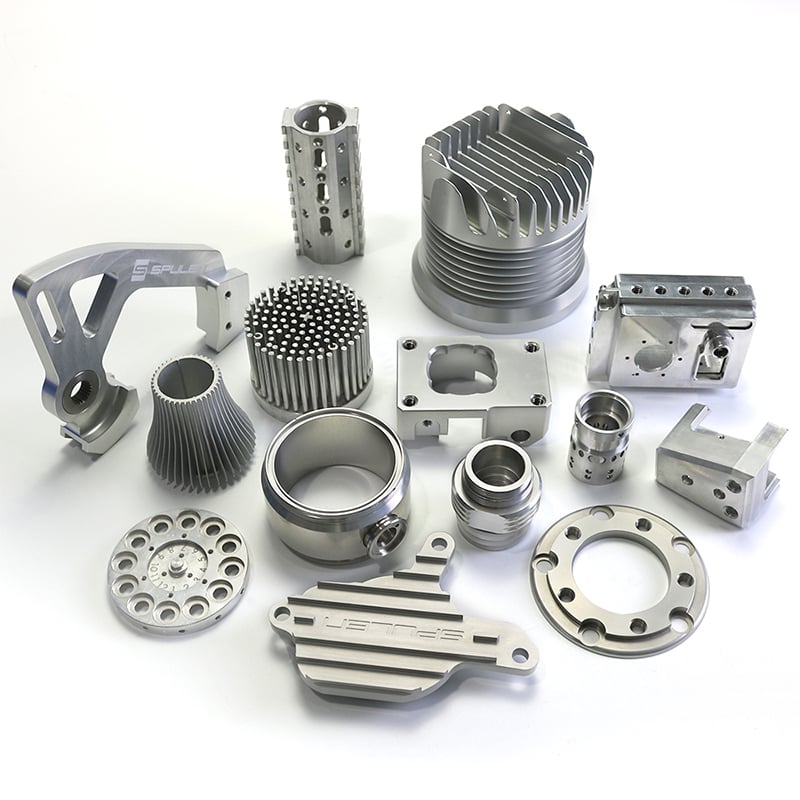
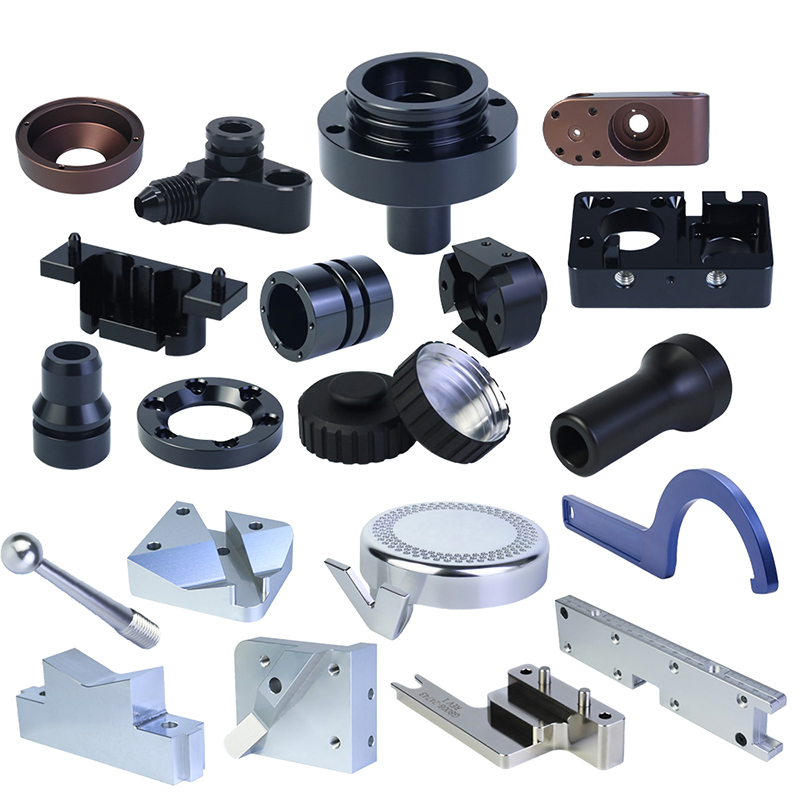
אנו עובדים בדרך כלל עם אלומיניום, נירוסטה וטיטניום :
באופן ישיר, בחירת החומר הנכון יכול להפוך או לשבור את הביצוע של הציוד שלכם .
אספקת חלקים מדויקים אינה חייבת להיות מורכבת. שותפות עם יצרן שמשתף מידע פתוחly על יכולות עיבка, זמני מוביל ותקני איכות מבטיחה שהייצור זורם בחלוף והיישומים התעשיים פועלים ביעילות מקסימלית.
כשאתם עוזרים מהדיון הזה, עליכם להיות עם תמונה ברורה יותר מדוע שותפות עם יצרן מדויק CNC מדויק חשוב.
מהרטט עדין של כלים לקציבה ועד קליברציה מדוקדקת של מכונות, כל פרט משפיע על המוצר הסופי.
בפעם הבאה שאתם מעריכים ספקים, זוכרו: דקדקנות, ניסיון ופתרון בעיות פרואקטיבי שווים חשובים כמו עלות.
Copyright © Shenzhen Perfect Precision Products Co., Ltd. All Rights Reserved — מדיניות הפרטיות—בלוג
 EN
EN