 EN
EN


Обяснение на допуските при CNC обработка: Колко строги трябва да са вашите персонализирани части?
Как се чувстваш? 5-осева CNC обработка Подобрете точността за сложни части?
Съвременните индустрии все повече изискват части със сложна геометрия, по-строги допуски и по-кратки срокове за изпълнение. Традиционната 3-осова машинна обработка продължава да е подходяща за много приложения, но когато производителите се изправят пред сложни аерокосмически скоби, медицински компоненти, роботизирани съединения или високопроизводителни автомобилни части, 5-осева CNC обработка често става предпочитаното решение.
В Shenzhen Perfect Precision Products Co., Ltd. сме произвели хиляди персонализирани прецизни компоненти за клиенти от аерокосмическата промишленост, автоматизацията, медицинското оборудване и индустриалната машиностроителна техника. Благодарение на годините опит в производството забелязахме, че много проектирани предизвикателства изчезват, веднага щом проектът бъде оптимизиран за 5-осова машинна обработка.
Какво е 5-осно CNC механично обработване?
5-осовата CNC машинна обработка е производствен процес, при който режещият инструмент или заготовката се движат едновременно по пет различни оси.
За разлика от конвенционалната обработка с 3 оси, която работи само в посоките X, Y и Z, машините с 5 оси въвеждат два допълнителни ротационни движения.
Това позволява на инструментите да достигнат труднодостъпни повърхности без множество настройки.
Типични приложения
- Компоненти за авиационни конструкции
- Лопатки на турбини
- Медицински импланти
- Оптично оборудване
- Части за роботика
- Прецисионни корпуси
- Прототипни компоненти за автомобилна промишленост
За части с дълбоки вдлъбнатини, комбинирани ъгли или сложни криви 5-осовата обработка значително намалява производствената сложност.
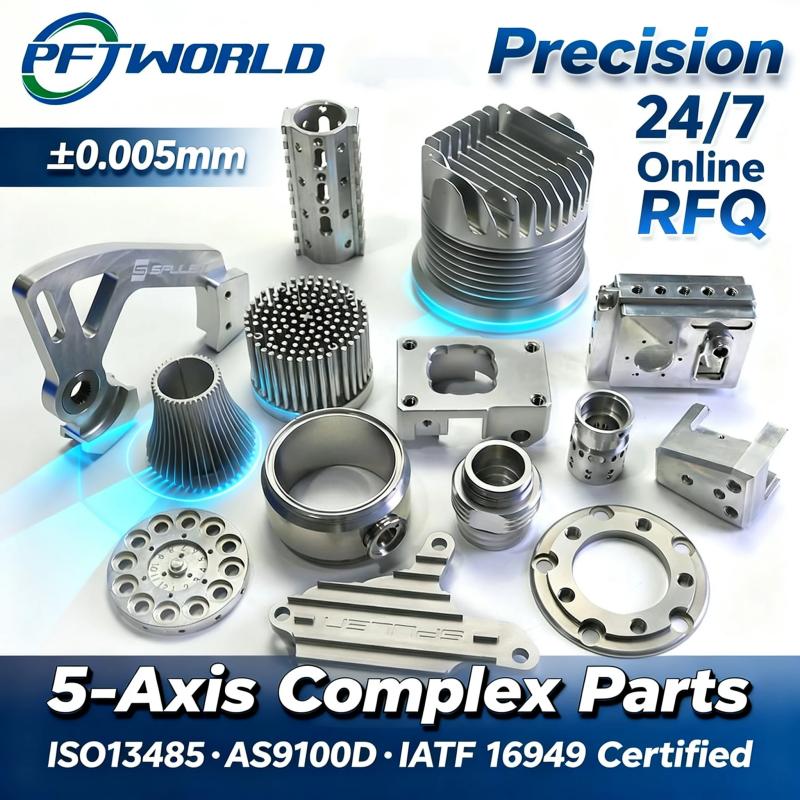
Защо множеството настройки намаляват точността
Един често срещан проблем при конвенционалната обработка е натрупването на грешка при позициониране.
Разгледайте прецизионен алуминиев корпус, който изисква обработка на пет отделни повърхности.
Използването на машина с 3 оси обикновено включва:
- Първа настройка за горната повърхност
- Втора настройка за странична повърхност
- Трета настройка за противоположната страна
- Допълнителни настройки за наклонени елементи
Всяко повторно позициониране внася потенциална вариация.
Наблюдение при реално производство
При един проект за автоматизирано оборудване, завършен в началото на 2025 г., клиентът изискваше позиционни отвори с точност ±0,01 мм.
Първоначалното производство с използване на множество настройки доведе до:
| Процес | Средна грешка в позиционирането |
|---|---|
| множествена настройка с 3 оси | 0,028 мм |
| 5-осова еднократна настройка | 0,009 мм |
След преминаване към 5-осова обработка размерната съгласуваност се подобри с почти 68%.
Това намаляване на натрупанията грешки помогна да се отстрани проблемът с подравняването при сглобяването, докладван по време на изпитанията на прототипите.
Как 5-осовата обработка подобрява качеството на повърхността
Качеството на повърхността директно влияе върху:
- Устойчивост на износване
- Затваряща ефективност
- Външен вид на продукта
- Точността на сглобяването
При традиционната обработка инструментите често се приближават до сложни повърхности под ъгли, които не са идеални.
Това може да доведе до:
- Вибрации на инструмента
- Видими следи от инструмента
- Несъответстваща шерохватост
машинната обработка с 5 оси непрекъснато коригира ориентацията на инструмента, поддържайки оптимални режещи условия.
Измерени резултати от алуминиеви компоненти
По време на серия аерокосмически алуминиеви скоби:
| Метод на производство | Грапавост на повърхността (Ra) |
|---|---|
| машиностроителни операции по 3 оси | 1,8 μm |
| 5-осева обработка | 0.8 μm |
По-гладката повърхност намали изискванията за следобработка и съкрати водещото време за производство.
Защо производителите на аерокосмическа техника предпочитат CNC машинна обработка с 5 оси
Аерокосмическата област изисква изключително тесни допуски и леки конструкции.
Сложни аерокосмически компоненти често включват:
- Дълбоки джобове
- Тънки стени
- Изкривени повърхности
- Празнини за намаляване на теглото
Производството на тези геометрии чрез конвенционална обработка може да бъде скъпо и времеемко.
5-осовата обработка позволява:
По-добра достъпност за инструмента
Режещият инструмент може да се приближи от множество ъгли, което намалява необходимостта от специални приспособления.
Намаляване на вибрациите
По-късите изтегления на инструмента подобряват стабилността и прецизността.
По-високо използване на материала
Производството на сложни леки конструкции става по-лесно.
В „7 Swords“ много аерокосмически проекти включват компоненти от алуминиев сплав 7075, титанови сплави и неръждаема стомана, които изискват висока размерна точност и повтаряемост.
Дали 5-осовата обработка намалява производствените разходи?
Много купувачи предполагат, че 5-осовата обработка винаги е по-скъпа.
Това е вярно само отчасти.
Часовите такси за машина наистина са по-високи.
Обаче общите разходи за проект често намаляват поради:
По-малко настройки
Намалено работно време.
По-малко производство на приспособления.
Сложни приспособления може да станат ненужни.
По-ниски нива на скрап
Подобряване на показателя за успешност при първото изпълнение.
Ограничени вторични операции
По-добра повърхностна обработка минимизира необходимостта от полирване.
Примерно сравнение на разходите
За партида от 200 компоненти от неръждаема стомана:
| Фактори на цена | 3-ос | 5-осен |
|---|---|---|
| Време за монтаж | 18 часа | 6 часа |
| Стойност на приспособлението | $1,200 | $300 |
| Процент на скрапа | 5.6% | 1.4% |
| Обща цена на проекта | По-високо | По-ниско |
В този случай общата производствена цена за клиента намаля с приблизително 17%.
Материали, често използвани при фрезоване с 5 оси
Професионален доставчик на CNC обработка трябва да поддържа широк спектър от инженерни материали.
Често използвани материали включват:
Алуминиеви
- 6061
- 7075
- 2024
Неръждаема стомана
- 303
- 304
- 316
- 17-4PH
Титаний
- Клас 2
- Грейд 5 Ti6Al4V
Инженерни пластмаси
- ПЕЕК
- Делрин
- PTFE
- Найлон
Мед и бронза
- Месинг C360
- C110 Мед
Изборът на материал винаги трябва да взема предвид якостта, теглото, корозионната устойчивост и ефективността на обработката.
Как да разберете дали вашата детайлна част изисква фрезоване с 5 оси
Задайте следните въпроси:
Дизайнът ли съдържа множество наклонени елементи?
Ако отговорът е положителен, фрезоването с 5 оси може да опрости производството.
Дали допуските са по-строги от ±0,02 мм?
често петостранното фрезоване подобрява съгласуваността.
Дали компонентът изисква превъзходна повърхностна отделка?
Многоосовото фрезоване обикновено дава по-добри резултати.
Дали проектът на приспособлението става сложен?
петостранното фрезоване може напълно да елиминира необходимостта от специални приспособления.
Ако отговорите „да“ на две или повече въпроса, е целесъобразно да обсъдите решение с петостранно фрезоване с вашия доставчик на CNC фрезовани услуги.
Често задавани въпроси
Дали петостранното CNC фрезоване е по-точно от триосовото фрезоване?
Общо взето — да. По-малко настройки намаляват грешките при позициониране и подобряват размерната съгласуваност.
Могат ли петостранните машини да обработват титан?
Абсолютно. Титановите аерокосмически и медицински компоненти са сред най-често срещаните приложения.
Подходящо ли е 5-осовото фрезоване за прототипи?
Да. То се използва широко за бързо прототипиране и производство в малки серии.
По-висока ли е цената на 5-осовото фрезоване?
Тарифите за машините са по-високи, но общите разходи по проекта могат да са по-ниски поради намален брой настройки и подобри ефективност.