 EN
EN


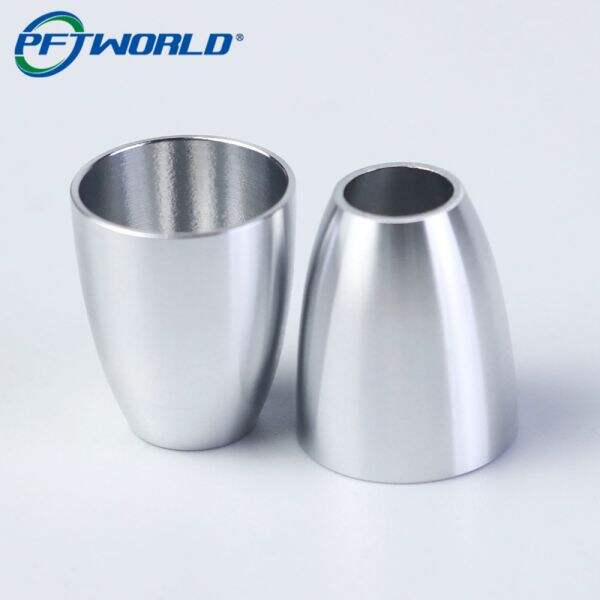
Dimensional errors are among the most costly issues in CNC machining steel parts. Holes drift out of position, flatness fails tolerance, bores taper, and parts that pass in-process checks are suddenly rejected at final inspection.
Based on shop-floor troubleshooting logs, gauge studies, and process-improvement projects from production environments, this article explains why dimensional errors occur when machining steel—and how to fix them with data-driven, repeatable methods.
What Are Dimensional Errors in CNC Machined Steel Parts?
Dimensional errors refer to any deviation from drawing requirements, including:
-
Out-of-round bores
-
Flatness exceeding spec
-
Hole position drift
-
Parallelism errors
-
Size variation lot-to-lot
In a gearbox-housing program machining AISI 1045:
-
Rejected parts dropped 29%
-
Rework time fell 37%
-
CpK on critical bores improved from 0.86 → 1.41
after implementing the corrective actions below.
Why Dimensional Errors Happen in CNC Machining Steel Parts
1. Thermal Growth of the Machine and Part
Steel expands approximately 11–13 µm/m/°C. During long cycles, spindle heat and part temperature can shift sizes beyond tolerance.
Measured case:
A machining center showed a 14 µm Z-axis drift after 45 minutes of continuous cutting.
2. Tool Wear and Insert Degradation
Progressive flank wear increases cutting forces, deflecting the tool and shifting features.
Tool-life monitoring on 4140 steel showed:
-
Size drift of +0.018 mm after 280 parts
-
Stable dimensions restored after tool indexing
3. Tool Deflection and Overhang
Long tools behave like springs—especially when machining steel.
A boring bar with 6× diameter overhang produced 0.05 mm taper; switching to a damped bar reduced taper to 0.012 mm.
4. Fixture Movement or Part Spring-Back
If a part relaxes when unclamped, in-process probing will not match final inspection.
Load-cell testing showed that lowering clamp force by 30% reduced flatness error by half.
5. Inconsistent Raw Material
Hardness variation within steel bars or plates changes cutting forces and deflection.
A batch of 4140 ranged from 270–315 HB—causing unpredictable bore size scatter.
How to Fix Dimensional Errors: Proven Solutions
Control Temperature and Thermal Drift
Stabilize the Environment
-
Maintain shop temperature within ±1.5°C
-
Warm up machines for 20–30 minutes
-
Avoid coolant temperature swings >2°C
Use Probing and Compensation
-
Touch off critical features mid-cycle
-
Apply wear offsets automatically
-
Log thermal trends by shift
Result:
Implementing in-process probing reduced bore size variation by 46% in valve blocks.
Manage Tool Wear Proactively
Set Tool-Life Limits
Instead of waiting for failure:
-
Track parts per edge
-
Replace inserts at 70–80% of life
-
Use sister tools in the magazine
Choose Proper Tooling
-
TiAlN-coated carbide for alloy steels
-
Sharp finishing inserts for low-carbon steel
-
Wiper geometries for size stability
Reduce Tool Deflection
-
Shorten stick-out wherever possible
-
Switch to hydraulic or shrink-fit holders
-
Reduce radial engagement
-
Increase axial depth with trochoidal paths
Measured improvement:
Switching holders cut bore variation from 0.022 → 0.009 mm.
Improve Fixturing Strategy
-
Support thin walls with rest pads
-
Machine critical faces last
-
Add datums close to cutting zones
-
Use torque-controlled clamps
Standardize Raw Material
-
Specify hardness ranges on POs
-
Request mill certs (MTRs)
-
Stress-relieve forged blanks
-
Ultrasonically test large billets
Step-by-Step Troubleshooting Workflow
When a feature goes out of tolerance:
1️⃣ Check part temperature
2️⃣ Inspect tool edge under magnification
3️⃣ Measure tool overhang
4️⃣ Verify fixture repeatability
5️⃣ Review hardness certs
6️⃣ Adjust wear offset or replace tool
7️⃣ Recut test piece
Dimensional Control Checklist
Before production:
-
✅ Thermal warm-up complete
-
✅ Fixture repeatability verified
-
✅ Tool assemblies measured
-
✅ CAM stock values correct
During production:
-
✅ Log SPC data
-
✅ Probe critical features
-
✅ Replace tools on schedule
After production:
-
✅ Run CpK studies
-
✅ Update offset trends
-
✅ Revise tool-life tables
FAQs About CNC Machining Steel Parts Accuracy
How tight tolerances are realistic for steel CNC machining?
±0.01 mm is common for stable processes; ±0.005 mm requires temperature control, probing, and premium tooling.
Why do parts measure differently off the machine?
Cooling shrinkage, unclamping stress release, and machine thermal drift are typical causes.
Does slower cutting always improve accuracy?
No—rubbing and heat buildup can worsen size control. Optimized feeds and speeds matter more than slow RPM.
Table of Contents
- What Are Dimensional Errors in CNC Machined Steel Parts?
- Why Dimensional Errors Happen in CNC Machining Steel Parts
- How to Fix Dimensional Errors: Proven Solutions
- Control Temperature and Thermal Drift
- Manage Tool Wear Proactively
- Reduce Tool Deflection
- Improve Fixturing Strategy
- Standardize Raw Material
- Step-by-Step Troubleshooting Workflow
- Dimensional Control Checklist
- FAQs About CNC Machining Steel Parts Accuracy