 EN
EN


Background
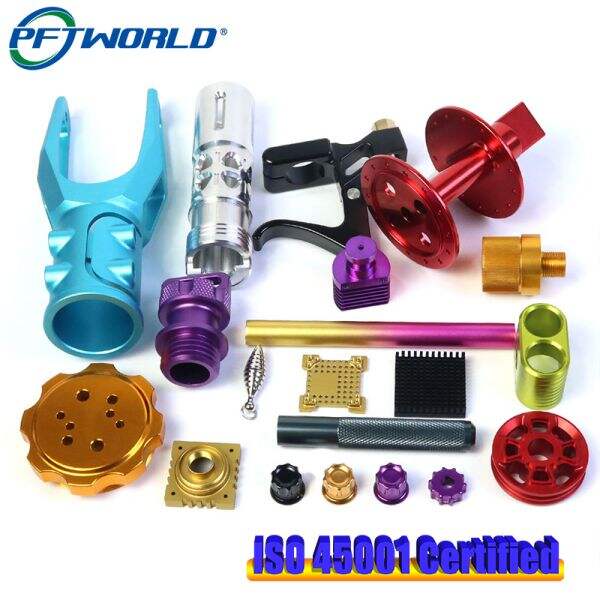
I worked with a German automation company that was sourcing precision aluminum components for their assembly systems. The parts themselves weren’t overly complex, but the consistency requirements were strict because they directly affected alignment during installation.
The Situation
Before reaching out to us, they had been dealing with ongoing dimensional inconsistencies from their previous supplier. Individually, the deviations were small, but across batches, they created enough variation to slow down assembly.
In some cases, their team had to manually adjust or re-fit parts on-site, which wasn’t sustainable for production.
What I Changed
Instead of focusing only on machining accuracy, I approached the issue from process stability:
- I recommended using a more consistent aluminum grade to reduce variation between batches
- We tightened tolerance control to around ±0.01 mm where it actually impacted assembly
- More importantly, we standardized the machining process to minimize fluctuation between runs
The goal wasn’t just to hit tolerance once, but to keep hitting it every time.
The Result
After implementation, the parts fit consistently during assembly without the need for manual correction.
The client’s team was able to streamline their installation process, and the time spent on adjustments dropped noticeably.
Summary
From this project, one thing stood out clearly to me: in automation systems, consistency matters more than peak precision.
A stable machining process doesn’t just improve part quality—it directly improves efficiency on the customer’s side.