 EN
EN


Background
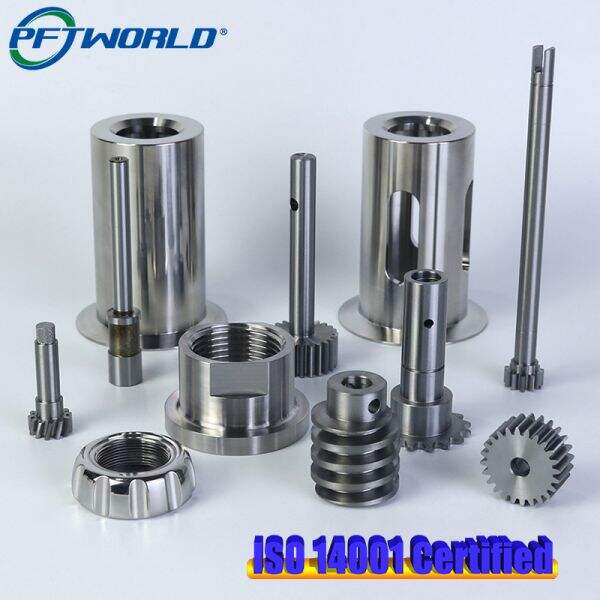
I worked with a U.S.-based client who was developing a new product and needed prototype parts in small quantities. The timeline was tight, and the design was still evolving.
The Situation
The main challenge wasn’t machining itself—it was the frequency of design changes.
Every time a revision came in, traditional production workflows slowed things down. Reprogramming, resetting, and rechecking setups kept adding lead time, which started to impact their development schedule.
What I Adjusted
Instead of treating it like a standard production job, I focused on flexibility from the start:
- Simplified and modularized the CNC programming so updates didn’t require a full restart
- Reduced setup time by standardizing fixtures where possible
- Kept communication tight around each revision to avoid unnecessary rework
The idea was to make changes part of the process, not a disruption to it.
The Result
As the project moved forward, the turnaround time between revisions improved noticeably.
The client was able to iterate faster, test more versions, and ultimately shorten their development cycle.
Summary
From this project, one thing became clear to me: low-volume prototyping isn’t about production efficiency—it’s about how quickly you can adapt.
A responsive process will always outperform a rigid one when designs are still in motion.