 EN
EN


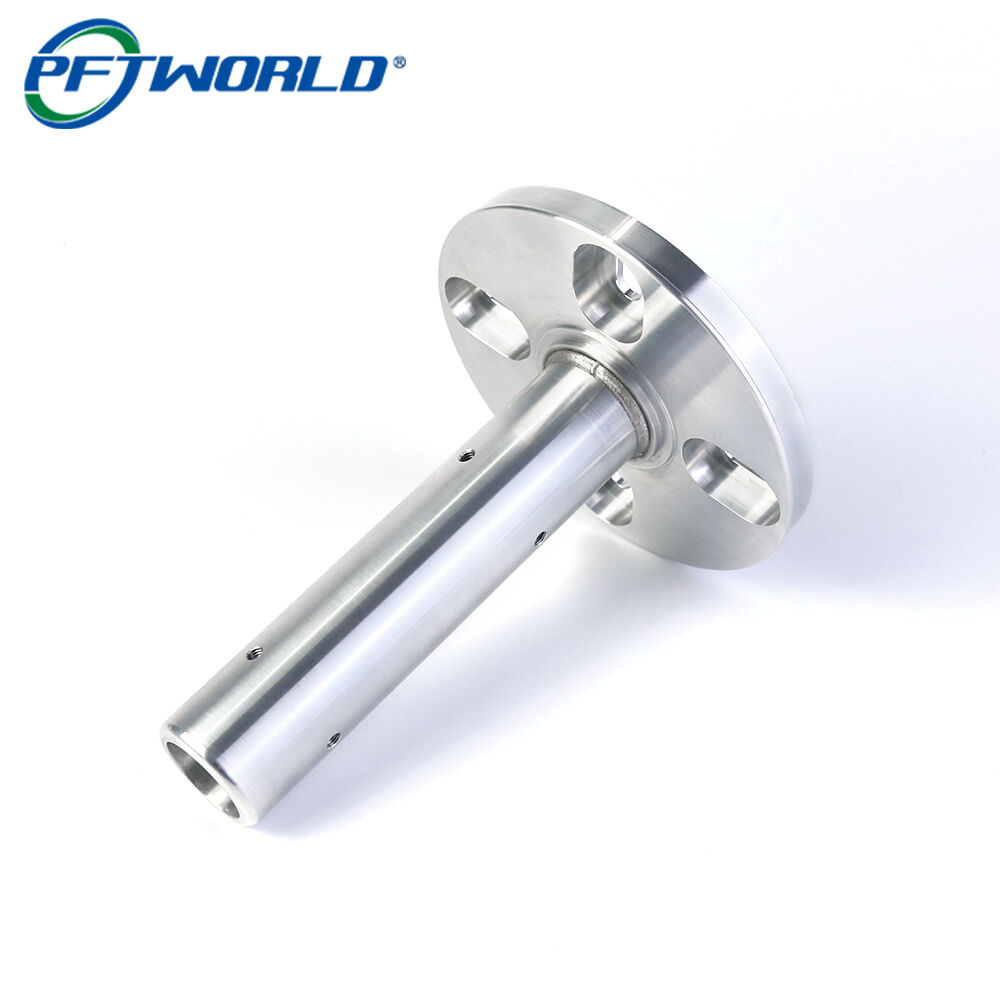
কীভাবে একটি ওয়াইসকনসিন-ভিত্তিক পানীয় সরঞ্জাম নির্মাতা শ্যাফ্ট অ্যাসেম্বলির গুণগত মান উন্নয়নের মাধ্যমে লেবেলিংয়ের নির্ভুলতা সমস্যার সমাধান করলেন
গ্রাহক ওভারভিউ
রায়ান মিচেল উত্তর আমেরিকার বিভিন্ন পানীয় উৎপাদনকারীদের জন্য ব্যবহৃত রোটারি লেবেলিং সিস্টেম ডিজাইন ও নির্মাণকারী একটি ওয়াইসকনসিন-ভিত্তিক পানীয় প্যাকেজিং সরঞ্জাম নির্মাতার ইঞ্জিনিয়ারিং দল পরিচালনা করছেন।
২০২৪ সালের শেষের দিকে, দলটি উৎপাদন দক্ষতা এবং লেবেলিংয়ের নির্ভুলতার প্রতি বৃদ্ধি পাওয়া গ্রাহক চাহিদা পূরণের জন্য তাদের একটি উচ্চ-গতির লেবেলিং মেশিন আধুনিকায়ন শুরু করে।
চ্যালেঞ্জ
প্রকল্পটি শুরুতে একটি অপ্রত্যাশিত বাধা এর মুখোমুখি হয়।
বিদ্যমান সরবরাহকারী কর্তৃক সরবরাহকৃত কয়েকটি ওয়েল্ডেড ফ্ল্যাঞ্জ শ্যাফ্ট অ্যাসেম্বলি ওয়েল্ডিংয়ের পর প্রয়োজনীয় ঘূর্ণন নির্ভুলতা পূরণ করতে ব্যর্থ হয়। পরীক্ষার সময়, ইঞ্জিনিয়াররা অতিরিক্ত রানআউট লক্ষ্য করেন, যা উচ্চতর কার্যক্রম গতিতে ক্রমশ আরও স্পষ্ট হয়ে ওঠে।
যদিও পরিদর্শনের সময় বিচ্যুতি ক্ষুদ্র বলে মনে হয়েছিল, তবুও এটি মেশিনের কার্যকারিতার উপর উল্লেখযোগ্য প্রভাব ফেলেছিল।
ফলস্বরূপ কম্পন হয়েছিল:
- বেয়ারিংয়ের প্রাথমিক ক্ষয়
- বৃদ্ধি পাওয়া রক্ষণাবেক্ষণের প্রয়োজনীয়তা
- অসঙ্গত লেবেল স্থাপন
- সম্পূর্ণ উৎপাদন গতিতে মেশিনের স্থিতিশীলতা হ্রাস
যারা পানীয় উৎপাদন করেন এবং দিন-রাত কাজ করেন, তাদের ক্ষেত্রে এমনকি ছোটখাটো অবস্থান ত্রুটিও পণ্য প্রত্যাখ্যান, উৎপাদন বাধা এবং অপ্রয়োজনীয় পরিচালন ব্যয়ের কারণ হতে পারে।
রায়ানের দলের একটি আরও বিশ্বস্ত শ্যাফ্ট অ্যাসেম্বলি সমাধানের প্রয়োজন ছিল যা কঠোর সমকেন্দ্রিকতা (কনসেন্ট্রিসিটি) প্রয়োজনীয়তা বজায় রাখতে পারে এবং চলমান শিল্প ব্যবহার সহ্য করতে পারে।
একটি উত্তম উৎপাদন অংশীদার খুঁজছেন
কয়েকটি সরবরাহকারীকে মূল্যায়ন করার পর, প্রকৌশল দলটি এমন একটি উৎপাদনকারী খুঁজতে ফোকাস করেছিল যার শক্তিশালী ওয়েল্ডিং নিয়ন্ত্রণ এবং মেশিনিং ক্ষমতা রয়েছে।
প্রধান প্রয়োজনীয়তাগুলি ছিল:
- ফ্ল্যাঞ্জ-টু-শ্যাফ্ট সঠিক সামঞ্জস্য
- ওয়েল্ডিংয়ের পর সুস্থির সমকেন্দ্রিকতা
- বিশ্বস্ত মাত্রিক পরীক্ষা
- উৎপাদন ব্যাচগুলির মধ্যে পুনরাবৃত্তিযোগ্য গুণগত মান
- প্রোটোটাইপ যাচাইকরণের জন্য সংক্ষিপ্ত লিড টাইম
অন্য একটি উপাদান সরবরাহকারী খুঁজে বার করার পরিবর্তে, দলটি ঘূর্ণনশীল সরঞ্জামের কার্যকারিতা সংক্রান্ত প্রয়োজনীয়তা বোঝার ক্ষমতাসম্পন্ন একটি উৎপাদন অংশীদার খুঁজছিল।
সমাধান
গ্রাহকের প্রকৌশল বিভাগের সঙ্গে ঘনিষ্ঠভাবে কাজ করে, ওয়েল্ডেড ফ্ল্যাঞ্জ শ্যাফ্ট অ্যাসেম্বলিগুলির জন্য একটি সংশোধিত উৎপাদন প্রক্রিয়া বিকশিত করা হয়েছিল।
উৎপাদন প্রক্রিয়ায় বেশ কয়েকটি উন্নতি আনা হয়েছিল:
ওয়েল্ডিংয়ের পূর্বে নির্ভুল মেশিনিং
সমাবেশের পূর্বে গুরুত্বপূর্ণ শ্যাফ্ট ও ফ্ল্যাঞ্জ মাত্রা আরও কঠোর সহনশীলতায় মেশিন করা হয়েছিল, যা ওয়েল্ডিং প্রক্রিয়ার জন্য আরও স্থিতিশীল ভিত্তি প্রদান করেছিল।
নিয়ন্ত্রিত ওয়েল্ডিং পদ্ধতি
ওয়েল্ডিংয়ের সময় সঠিক সামঞ্জস্য বজায় রাখতে এবং তাপীয় বিকৃতি কমাতে বিশেষায়িত ফিক্সচার ব্যবহার করা হয়েছিল।
ওয়েল্ডিংয়ের পরে মেশিনিং
ওয়েল্ডিংয়ের পরে, গুরুত্বপূর্ণ পৃষ্ঠগুলির উপর দ্বিতীয় ধাপের মেশিনিং কার্যক্রম সম্পাদন করা হয়েছিল যাতে মাত্রাগত নির্ভুলতা পুনরুদ্ধার করা যায় এবং সঠিক সমকেন্দ্রিকতা নিশ্চিত করা যায়।
উন্নত গুণবত্তা যাচাই
প্রতিটি অ্যাসেম্বলিকে প্রেরণের আগে রানআউট, সংরেখন এবং মাত্রিক অনুরূপতা যাচাই করার জন্য প্রিসিশন মাপন সরঞ্জাম ব্যবহার করে পরীক্ষা করা হয়েছিল।
ফলাফল
ইনস্টলেশন ও পরীক্ষার পর, আপগ্রেড করা শ্যাফ্ট অ্যাসেম্বলিগুলি লেবেলিং সিস্টেমের সমস্ত দিকেই পরিমাপযোগ্য উন্নতি দিয়েছিল।
অপারেশনের প্রথম মাসগুলিতে, রায়ানের দল রিপোর্ট করেছিল:
- উল্লেখযোগ্যভাবে কম ঘূর্ণন কম্পন
- উচ্চ অপারেটিং গতিতে লেবেলিংয়ের সামঞ্জস্য বৃদ্ধি
- বেয়ারিং প্রতিস্থাপনের ফ্রিক uency হ্রাস
- দীর্ঘ উৎপাদন চালানোর সময় মেশিনের সুগ্রাহী কার্যকারিতা
- দীর্ঘমেয়াদী সরঞ্জাম বিশ্বস্ততা নিয়ে বৃহত্তর আত্মবিশ্বাস
সবচেয়ে গুরুত্বপূর্ণভাবে, মেশিনটি চূড়ান্ত উৎপাদন অবস্থার সময়ও সঠিক লেবেল অবস্থান বজায় রাখতে সক্ষম হয়েছিল।
ইঞ্জিনিয়ারিং দলটি সফলভাবে আপগ্রেড প্রকল্পটি সম্পন্ন করেছিল এবং উৎপাদন প্রয়োগের দিকে এগিয়ে গিয়েছিল।
গ্রাহকদের মন্তব্য
"উন্নয়নটি পরীক্ষার সময় তৎক্ষণাৎ লক্ষণীয় হয়েছিল। মেশিনের কম্পন উল্লেখযোগ্যভাবে কমে গিয়েছিল, এবং লেবেল স্থাপন অনেক বেশি সুসঙ্গত হয়ে উঠেছিল। অ্যাসেম্বলিগুলি আমাদের প্রয়োজনীয় সহনশীলতা মেনেছিল এবং আমাদের আপগ্রেড নির্ভরতার সাথে সম্পন্ন করতে সাহায্য করেছিল।"
রায়ান মিচেল
ইঞ্জিনিয়ারিং ম্যানেজার
উইসকনসিন, মার্কিন যুক্তরাষ্ট্র