 EN
EN


CNC Machining Stainless Steel Precision Durability
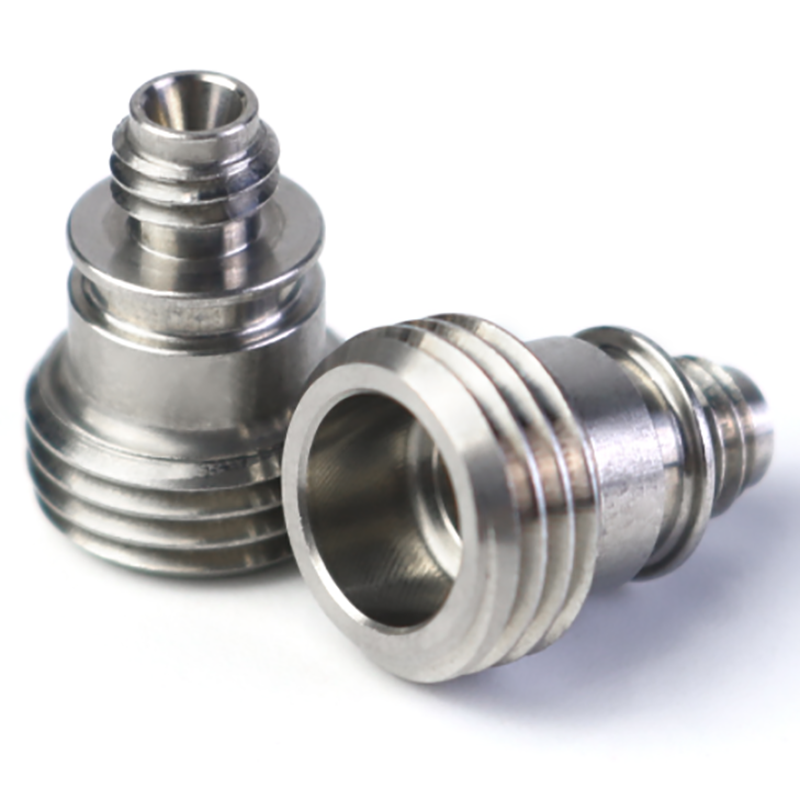
In today's rapidly evolving manufacturing landscape, the demand for precision-machined components has seen a significant rise. As industries focus on optimizing performance and durability, CNC (Computer Numerical Control) machining of stainless steel parts has become an essential part of various sectors, including automotive, aerospace, electronics, and medical devices. The combination of turning and knurling techniques is a preferred method for producing high-quality stainless steel components, offering exceptional durability and precise surface finishes.
The Rising Need for Precision in Manufacturing
Precision engineering is at the heart of modern manufacturing, and CNC machining is an industry standard when it comes to achieving intricate and accurate designs. The demand for stainless steel parts has surged due to the material's excellent corrosion resistance, strength, and aesthetic appeal. As manufacturers seek solutions to improve operational efficiency, CNC machining offers unparalleled flexibility and precision, which is vital for industries that require high-performance parts.
The rolling success of aerospace innovations, medical technology advancements, and the rapidly expanding electric vehicle (EV) sector have directly contributed to the increasing demand for stainless steel components. The material's ability to withstand harsh environments, combined with its longevity, makes it a top choice for engineers and designers seeking reliable solutions.
The Role of CNC Machining in the Modern Era
One of the key drivers of CNC machining is its ability to handle complex shapes and features with an extremely high degree of accuracy. The turning process, along with the knurling technique, enhances the part's surface texture and grip, which is especially crucial in applications such as valve components, fittings, and specialized tools. These processes are especially beneficial for manufacturing parts with precise tolerances, ensuring that each component fits seamlessly within a larger system.
Turning involves rotating the material while cutting tools shape it into the desired form. This method offers incredible versatility, enabling manufacturers to produce parts with complex geometries and detailed designs. The knurling process, on the other hand, involves creating textured patterns on the surface of the part, providing added grip and making the parts more functional for certain applications, such as tightening and loosening fittings or enhancing aesthetic qualities.
Technological Advancements Supporting Precision Machining
As technological advancements continue to shape the industry, CNC machining has also evolved, providing faster, more efficient, and cost-effective solutions. With the help of advanced software and automation, CNC machines can operate with minimal human intervention, resulting in higher throughput and reduced production times. This means that manufacturers can meet the increasing demand for high-quality components while maintaining strict quality control and lower operational costs.
The recent developments in artificial intelligence (AI) and machine learning (ML) are revolutionizing CNC machining by introducing predictive maintenance and real-time quality monitoring. These innovations allow manufacturers to optimize the machining process and reduce waste, leading to even higher quality products and a reduction in lead times.
Environmental Considerations and Sustainability
As sustainability continues to be a key focus across industries, CNC machining processes are evolving to minimize their environmental impact. Stainless steel is a highly recyclable material, and the precision offered by CNC machining ensures minimal waste during the production process. Additionally, the continued advancements in energy-efficient CNC machines and practices contribute to the overall reduction of carbon footprints in manufacturing.
Manufacturers are increasingly adopting sustainable production practices, including the use of eco-friendly lubricants, recyclable materials, and energy-efficient machines. The combination of these efforts ensures that CNC machining continues to meet the environmental expectations set by consumers, all while maintaining exceptional quality and performance.
Conclusion: Looking Ahead to a Future of Innovation
As the demand for high-quality, durable components continues to rise, CNC machining of stainless steel parts will remain at the forefront of manufacturing technology. The industry’s ability to produce parts with tight tolerances and superior surface finishes—thanks to processes like turning and knurling—has made it an essential solution for many sectors. With advancements in automation, artificial intelligence, and sustainability, CNC machining will continue to play a pivotal role in shaping the future of manufacturing, meeting both the needs of manufacturers and their customers.
In an era where quality and precision are more important than ever, CNC machining stands as a reliable and indispensable method for creating components that meet the highest standards of performance. As industries continue to evolve, the evolution of CNC machining technologies will enable them to keep pace, providing the solutions needed for an increasingly complex and dynamic world.