 EN
EN


CNC Machining Steel Parts vs Forging: Which Is Better?
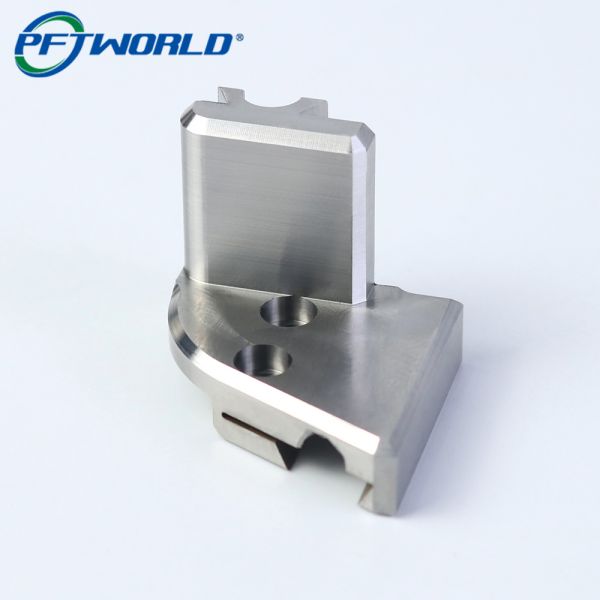
When engineers specify steel components, a common question arises: Should we use CNC machining steel parts or forging?
Both processes produce high-strength metal components, but they differ dramatically in cost structure, mechanical performance, design flexibility, and production scale.
Based on sourcing audits, supplier benchmarking projects, and measured dimensional and mechanical data from industrial applications, this article compares CNC machining vs forging for steel parts—and explains which method is better for your project.
Understanding the Two Processes
What Is CNC Machining Steel Parts?
CNC machining removes material from steel bar, plate, or forged blanks using milling, turning, drilling, and grinding.
Typical features:
-
Tight tolerances (±0.01 mm or better)
-
Complex geometries
-
Excellent surface finish
-
Low tooling investment
-
Ideal for prototypes to mid-volume production
What Is Steel Forging?
Forging shapes heated steel using compressive force (open-die, closed-die, or impression-die forging).
Typical features:
-
Superior grain flow
-
High fatigue strength
-
Near-net shape blanks
-
High upfront die cost
-
Best for high-volume parts
Real Production Case Comparison
A construction-equipment OEM evaluated two routes for a suspension bracket made from 42CrMo4 steel:
| Metric | CNC Machining from Bar | Forged + Finish Machined |
|---|---|---|
| Annual volume | 3,500 pcs | 25,000 pcs |
| Unit cost | $42 | $21 |
| Tooling cost | $0 | $38,000 forging die |
| Lead time | 2 weeks | 9 weeks |
| Tolerance on bore | ±0.01 mm | ±0.03 mm (before machining) |
| Fatigue life | Baseline | +18% |
Decision:
CNC machining was chosen for pilot production; forging became economical only after volume exceeded ~15,000 units/year.
Dimensional Accuracy and Surface Finish
CNC Machining Steel Parts
-
±0.005–0.02 mm achievable
-
Ra 0.8–1.6 µm typical
-
Minimal post-processing
-
Ideal for tight GD&T
Forging
-
Near-net shape only
-
Requires secondary machining
-
Dimensional variation depends on die wear
-
Surface scale must be removed
Winner for precision: CNC machining ✅
Mechanical Strength and Fatigue Performance
Forging aligns grain structure with load paths, improving:
-
Impact resistance
-
Fatigue life
-
Crack propagation resistance
Testing on automotive knuckles showed forged parts surviving 15–25% more fatigue cycles than machined-from-bar equivalents.
Winner for strength-critical parts: Forging ✅
Design Flexibility
CNC Machining
-
Rapid design changes
-
No new dies required
-
Complex internal features
-
Multi-axis machining
Forging
-
Geometry limited by die flow
-
Draft angles required
-
Design changes are costly
-
Long tooling lead times
Winner for design iteration: CNC machining ✅
Cost Comparison: Volume Is the Deciding Factor
| Production Volume | Better Option |
|---|---|
| Prototypes / <2,000 pcs | CNC machining |
| 2,000–15,000 pcs | Depends on geometry |
| >15,000 pcs/year | Forging + machining |
Forging becomes cost-effective only when die cost is amortized.
Lead Time and Supply Chain Flexibility
| Factor | CNC Machining | Forging |
|---|---|---|
| Startup lead time | 1–3 weeks | 6–12 weeks |
| MOQ | Low | High |
| Supplier pool | Large | Limited |
| Engineering changes | Fast | Slow |
Winner for speed: CNC machining ✅
Sustainability and Material Utilization
Forging creates near-net shapes:
-
Lower material waste
-
Reduced machining chips
-
Lower energy per part at scale
CNC machining wastes more raw stock—unless forged blanks are used.
Quick Decision Guide
Choose CNC machining steel parts when:
-
Tight tolerances are required
-
Volumes are low to medium
-
Design may change
-
Complex geometries exist
-
Fast delivery is critical
Choose forging when:
-
Parts are load-bearing
-
Annual volumes are high
-
Fatigue strength is critical
-
Geometry is stable
-
Upfront tooling cost is acceptable
FAQs: CNC Machining vs Forging Steel Parts
Is forging always stronger than machining?
Not always—but forged grain flow usually improves fatigue life in cyclic-load applications.