 EN
EN


Vysvětlení přesnosti CNC obrábění: Jak přesné by měly být vaše vlastní součásti?
Jak 5-osá CNC frézování Zlepšit přesnost pro složité díly?
Moderní průmysl stále více vyžaduje díly se složitými geometriemi, přísnějšími tolerancemi a kratšími dodacími lhůtami. Tradiční obrábění na 3osém CNC stroji zůstává vhodné pro mnoho aplikací, avšak pokud výrobci čelí složitým leteckým konzolám, lékařským komponentům, robotickým sestavám nebo vysokovýkonným automobilovým dílům, 5-osá CNC frézování se často stává preferovaným řešením.
Společnost Shenzhen Perfect Precision Products Co., Ltd. vyrobila tisíce vlastních přesných komponent pro zákazníky z oboru leteckého průmyslu, automatizace, lékařského zařízení a průmyslového strojírenství. Díky letitým zkušenostem z výroby jsme zaznamenali, že mnoho návrhových výzev zmizí, jakmile je projekt optimalizován pro obrábění na 5osém CNC stroji.
Co je to 5-osé CNC frézování?
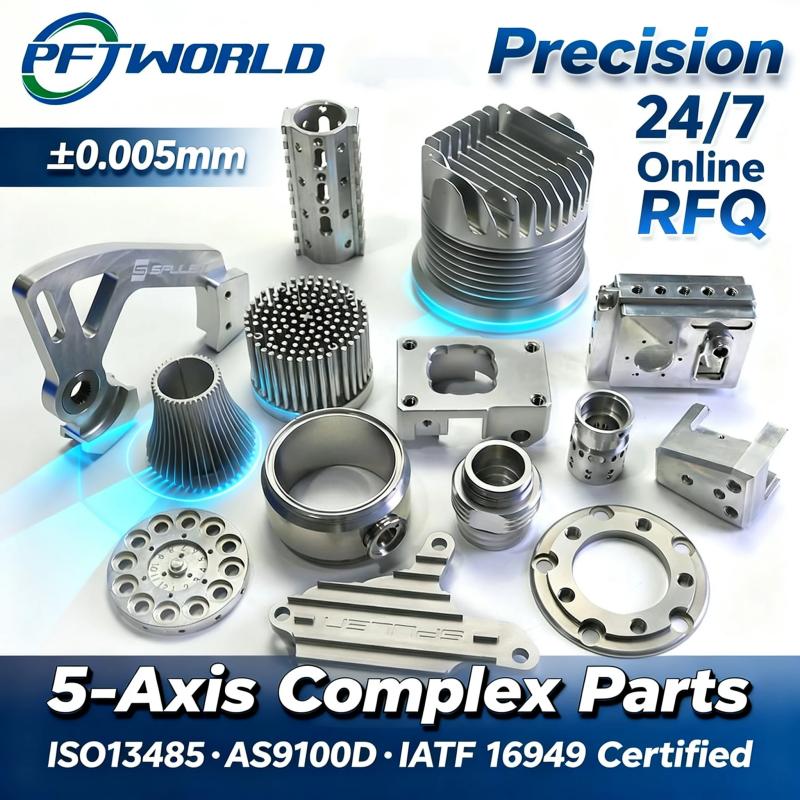
obrábění na 5osém CNC stroji označuje výrobní proces, při kterém se řezný nástroj nebo obrobek pohybuje současně podél pěti různých os.
Na rozdíl od konvenčního obrábění na 3 osy, které pracuje pouze ve směrech X, Y a Z, stroje s 5 osami přidávají dvě další rotační pohybové osy.
To umožňuje nástrojům dosáhnout obtížně přístupných povrchů bez nutnosti více nastavení.
Typické aplikace
- Konstrukční součásti letadel
- Sítě pro turbíny
- Lékařské implantáty
- Optické zařízení
- Součástky pro robotiku
- Přesné pouzdra
- Prototypové součásti pro automobilový průmysl
U dílů obsahujících hluboké dutiny, složité úhly nebo komplexní křivky výrazně snižuje 5osé obrábění výrobní složitost.
Proč více nastavení snižuje přesnost
Jedním z problémů často vyskytujících se u konvenčního obrábění je akumulace chyb polohování.
Uvažujme například přesný hliníkový kryt, u kterého je třeba obrábět pět samostatných povrchů.
Použití 3osého stroje obvykle zahrnuje:
- První nastavení pro horní plochu
- Druhé nastavení pro boční plochu
- Třetí nastavení pro opačnou stranu
- Další nastavení pro šikmé prvky
Každé přeumístění zavádí potenciální odchylku.
Skutečné pozorování v průběhu výroby
V jednom projektu automatizačního zařízení dokončeném na začátku roku 2025 vyžadoval zákazník polohovací otvory s přesností ±0,01 mm.
Počáteční výroba pomocí více nastavení vedla k:
| Proces | Průměrná chyba polohy |
|---|---|
| víceosové nastavení s 3 osami | 0,028 mm |
| jednoosové nastavení s 5 osami | 0,009 mm |
Po přechodu na obrábění s 5 osami se rozměrová konzistence zlepšila téměř o 68 %.
Toto snížení kumulativní chyby pomohlo odstranit problémy s zarovnáním při montáži, které byly hlášeny během testování prototypů.
Jak obrábění s 5 osami zlepšuje povrchovou úpravu
Kvalita povrchu přímo ovlivňuje:
- Odolnost proti opotřebení
- Uzavírací vlastnosti
- Vzhled produktu
- Přesnost montáže
U tradičního obrábění nástroje často přistupují ke složitým povrchům pod méně než ideálními úhly.
To může způsobit:
- Bručení nástroje
- Viditelné stopy nástroje
- Nekonzistentní drsnost
obrábění s 5 osami neustále upravuje orientaci nástroje, čímž udržuje optimální podmínky řezání.
Naměřené výsledky u hliníkových součástí
Během výroby šarže letecky kvalitních hliníkových konzol:
| Vyrobní metoda | Roughness (Ra) |
|---|---|
| 3-osafrámování | 1,8 μm |
| 5-osé frézování | 0.8 μm |
Hladší povrch snížil požadavky na dokončovací úpravy a zkrátil dobu výrobního cyklu.
Proč letecký průmysl preferuje frézování na 5osém CNC stroji
Letecký průmysl vyžaduje extrémně přesné tolerance a lehké konstrukce.
Složité letecké součásti často obsahují:
- Hluboké drážky
- Tenké stěny
- Kulaté plochy
- Vybrání pro redukci hmotnosti
Výroba těchto geometrií tradičními obráběcími metodami může být nákladná a časově náročná.
frézování na 5osém stroji umožňuje:
Lepší přístup nástroje
Frézovací nástroj může přistupovat z více úhlů, čímž se snižuje potřeba speciálních uchycovacích zařízení.
Snížené vibrace
Kratší délky nástrojů zlepšují stabilitu a přesnost.
Vyšší využití materiálu
Výroba složitých lehkých konstrukcí se stává jednodušší.
U společnosti 7 Swords se mnoho leteckých projektů týká slitin hliníku 7075, titanových slitin a součástí ze nerezové oceli, které vyžadují vysokou rozměrovou přesnost a opakovatelnost.
Sníží pětiosá obrábění výrobní náklady?
Mnoho zakázníků předpokládá, že pětiosé obrábění je vždy drahší.
Toto tvrzení je jen částečně pravdivé.
Hodinové sazby strojů jsou skutečně vyšší.
Celkové náklady na projekt se však často sníží díky:
Méně upínacích operací
Snížení času potřebného pro ruční práci.
Snížení výroby upínačů
Složité upínače mohou být zbytečné.
Nižší míra výrobních zmetků
Zlepšené úspěšnosti při prvním průchodu.
Omezení dodatečných operací
Lepší povrchová úprava minimalizuje požadavky na leštění.
Příklad srovnání nákladů
Pro dávku 200 součástí ze nerezové oceli:
| Nákladový faktor | 3-osé | 5-osý |
|---|---|---|
| Čas sestavování | 18 hodin | 6 hodin |
| Náklady na upínací zařízení | $1,200 | $300 |
| Míra výrobních odpadů | 5.6% | 1.4% |
| Celkové náklady projektu | Vyšší | Nižší |
V tomto případě celkové výrobní náklady zákazníka klesly přibližně o 17 %.
Materiály běžně používané při frézování na 5osých CNC strojích
Profesionální dodavatel CNC obrábění by měl podporovat širokou škálu technických materiálů.
Běžné materiály zahrnují:
Hliník
- 6061
- 7075
- 2024
Nerezová ocel
- 303
- 304
- 316
- 17-4PH
Titán
- Třída 2
- Titanová slitina třídy 5 Ti6Al4V
Technické polymery
- Peek
- Delrinová
- PTFE
- Nylon
Br0nza a měď
- Mosaz C360
- C110 měděná
Výběr materiálu by měl vždy zohledňovat pevnost, hmotnost, odolnost proti korozi a účinnost obrábění.
Jak zjistit, zda váš díl vyžaduje obrábění na 5osém stroji
Zeptejte se následujících otázek:
Obsahuje návrh více šikmých prvků?
Pokud ano, obrábění na 5osém stroji může zjednodušit výrobu.
Jsou tolerance užší než ±0,02 mm?
obrábění na 5osém stroji často zlepšuje konzistenci.
Vyžaduje součást vynikající povrchovou úpravu?
Obrábění na víceosých strojích obvykle poskytuje lepší výsledky.
Stává se návrh upínače stále složitějším?
obrábění na 5 osách může úplně eliminovat potřebu speciálních upínačů.
Pokud odpovíte „ano“ na dvě nebo více otázek, stojí za to probrat řešení s 5osým obráběním se svým dodavatelem CNC obrábění.
Často kladené otázky
Je obrábění na 5 osách přesnější než obrábění na 3 osách?
Obecně ano. Menší počet nastavení snižuje chyby polohování a zlepšuje rozměrovou konzistenci.
Můžou stroje s 5osým obráběním zpracovávat titan?
Ano, bezpodmínečně. Titanové součásti pro letecký a lékařský průmysl patří mezi nejběžnější aplikace.
Je obrábění na 5 osách vhodné pro výrobu prototypů?
Ano. Široce se používá pro rychlé prototypování i pro výrobu malých sérií.
Je obrábění na 5 osách dražší?
Hodinové sazby strojů jsou vyšší, ale celkové náklady na projekt mohou být nižší díky sníženému počtu nastavení a zvýšené efektivitě.