 EN
EN


How to Choose a CNC Machining Supplier in China: 12 Critical Factors Buyers Often Ignore
How to Choose a CNC Machining Supplier in China: 12 Critical Factors Buyers Often Ignore
For international buyers, sourcing CNC machined components from China can be both cost-effective and efficient—but only if you select the right supplier. At 7 Swords, we often consult clients facing quality issues, late deliveries, or miscommunication with overseas suppliers. Based on years of production and procurement experience, here are 12 critical factors that many buyers overlook.
1. Manufacturing Capabilities
Not all CNC suppliers are created equal. Verify whether they can handle:
- 3-axis, 4-axis, or 5-axis machining
- Metal and engineering plastic machining
- Prototype and small-batch production
- Surface treatments: anodizing, plating, powder coating
Tip: Suppliers claiming “full CNC capabilities” may only have 3-axis machines. Ask for machine lists and part photos.
2. Material Support
Check if the supplier can machine materials relevant to your project:
- Aluminum (6061, 7075)
- Stainless Steel (304, 316, 17-4PH)
- Titanium (Ti6Al4V)
- PEEK, Delrin, PTFE
Real Experience: One medical equipment buyer wasted 2 weeks with a supplier that couldn’t machine PEEK accurately. Pre-verification could have prevented delays.
3. Tolerance Expertise
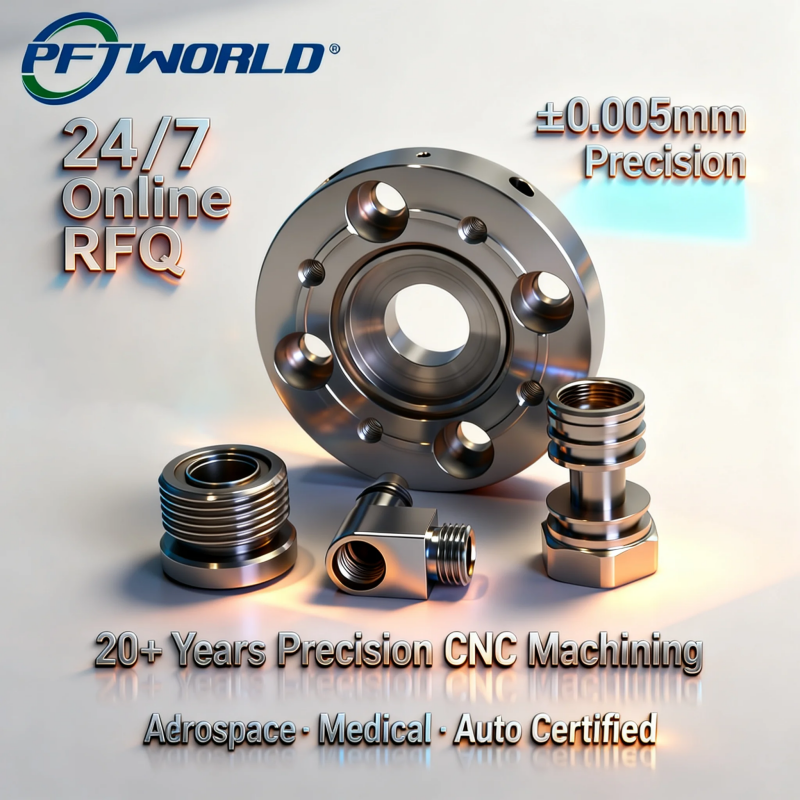
Some suppliers can handle ±0.05 mm tolerances, but not ±0.01 mm. Tolerance capability affects assembly, performance, and cost.
- Ask for tolerance charts.
- Request sample inspection reports.
- Confirm measurement tools (CMM, micrometers, laser scanners).
4. Communication Efficiency
Language and time zone differences can cause misunderstandings. Look for:
- English-speaking project managers
- Fast email responses (<24 hours)
- Video/WeChat calls to discuss complex parts
Example: A European automation company avoided a $3,000 error by confirming critical dimensions via video call before production.
5. Quality Control Process
Check for a structured QC system:
- Incoming material inspection
- In-process inspection (CMM, calipers, gauges)
- Final inspection report (FIR) with photos
- ISO 9001 or similar certification
Suppliers without documented QC processes may deliver inconsistent parts.
6. Prototype and Low-Volume Experience
Some CNC suppliers focus only on mass production. For prototypes:
- Lead time is critical
- Flexibility in machining strategies is required
- Material sourcing must be fast
Case: One robotics startup requested 20 custom aluminum brackets. The supplier’s prototype experience ensured delivery in 5 days, versus 15–20 days for mass-focused manufacturers.
7. Surface Finish and Post-Processing
Surface finish affects both function and aesthetics. Ask about:
- Ra roughness achievable
- Deburring, polishing, anodizing, plating capabilities
- Batch consistency
Poor surface finish can cause assembly failures or customer complaints.
8. Production Capacity and Lead Time
Assess whether the supplier can handle your volume:
- Number of CNC machines
- Staff skill level
- Workload during peak seasons
Pro Tip: Avoid single-machine shops if you need quick turnaround for multiple components.
9. Pricing Transparency
Beware of low quotes that hide extra costs:
- Fixture fees
- Material surcharges
- Shipping costs
- Inspection charges
Experience: One buyer chose a “cheap” supplier. After additional charges, total cost exceeded three other quotes combined.
10. IP Protection and Confidentiality
Protect your designs:
- NDA agreements before sharing CAD files
- Restricted access to production areas
- Traceable personnel handling your parts
Many tech and medical companies insist on IP agreements with Chinese CNC suppliers to prevent design leaks.
11. Logistics and Shipping
Consider:
- Export experience (customs, HS codes)
- Packaging standards (anti-rust, anti-vibration)
- Freight options (air, sea, express)
- Lead time predictability
Reliable shipping ensures your production timeline is met.
12. Supplier Reputation and References
Check:
- Customer reviews and testimonials
- Case studies
- Repeat clients and long-term partnerships
Example: 7 Swords has over 10 years of experience supplying aerospace and automation companies globally, with 95%+ repeat business rate.
Frequently Asked Questions
How do I verify a supplier’s CNC capabilities?
Ask for machine lists, photos of past parts, and inspection reports. On-site visits or video tours help.
Should I choose based on the lowest price?
No. Low cost often hides higher risk of delays, poor quality, or extra fees. Balance cost with capability and reliability.
Can a supplier handle both metals and plastics?
Not all can. Verify their materials range and machining expertise for your specific application.
How long does it take to get quotes?
Professional suppliers respond within 24–48 hours with detailed quotes, including material, machining time, and finishing.
Key Takeaways
Selecting a CNC machining supplier in China requires more than just comparing quotes. Key considerations include:
- CNC capabilities and machine types
- Material expertise and tolerance accuracy
- Quality control and inspection
- Prototype experience and production capacity
- Communication, IP protection, and logistics
By evaluating these factors, you reduce risks, improve product quality, and ensure on-time delivery. Experienced suppliers like 7 Swords combine technical expertise, production experience, and reliable communication to support international buyers with both prototypes and production volumes.