 EN
EN



CNC obrada dijelova Površinski završetak vodič: Anodiziranje, crni oksid i više
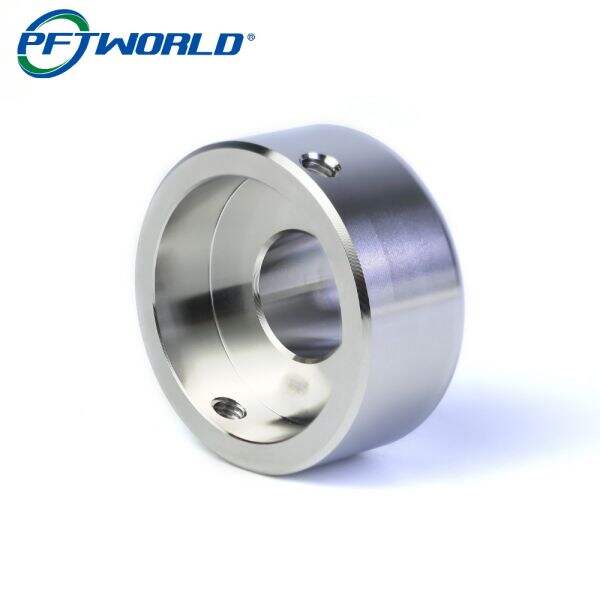
Praktični vodič za površinsko završenje CNC-ovog obrade dijelova, uključujući anodiziranje, crni oksid i druge obrade. Naučite odabrati pravu obuku koja će biti izdržljiva, precizna i industrijski učinkovita.
CNC obrada dijelova Površinski završetak vodič: Anodiziranje, crni oksid i više
Površinska obrada igra ključnu ulogu u učinkovitosti, izdržljivosti i izgledu dijelova za CNC obradu. Osim estetike, ispravna površinska obrada može poboljšati otpornost na koroziju, životnost, električnu izolaciju i dimenzijsku stabilnost. Ovaj vodič objašnjava najčešće mogućnosti obrada površine CNC dijelova, s naglaskom na anodiziranje i crni oksid, pomažući inženjerima i kupcima u donošenju informiranih odluka.
Zašto je bitno završiti površinu CNC dijelova
U slučaju da se ne primjenjuje presjek, to znači da se ne primjenjuje presjek. Pravilno završetak može:
-
Poboljšanje otpornosti na koroziju i oksidaciju
-
Povećati otpornost na habanje za pokretne ili kontaktne dijelove
-
Obezbedite dosljedan izgled za skupštine
-
U skladu s člankom 3. stavkom 2.
Izbor ispravne obloge ovisi o vrsti materijala, okolišu primjene i očekivanjima performansi.
S druge strane, za proizvodnju električnih vozila
Anodiranje je jedna od najčešće korištenih obrada za aluminijumske CNC komponente. To stvara kontrolirani sloj oksida koji postaje dio materijala umjesto premaza.
Glavne prednosti crnih anodiranih CNC aluminijumskih dijelova uključuju:
-
Izvrstan otpor koroziji
-
Povećana tvrdoća površine
-
Svojstva električne izolacije
-
Svaka vrsta proizvoda može se koristiti za proizvodnju proizvoda od gume ili gume.
Crno anodiranje posebno je popularno u automatizaciji, robotici, medicinskoj opremi i elektroničkim kućištima, gdje su izdržljivost i čista estetika jednako važni.
U skladu s člankom 6. stavkom 2.
Črni oksid je kemijski prekriven prekrivenjem koji se obično primjenjuje na dijelove CNC obrade čelika. Za razliku od anodiranja, ne mijenja značajno dimenzije dijelova, što ga čini pogodnim za komponente s tesnim tolerancijama.
Tipične primjene:
-
Uvođenje u promet
-
Smanjena odraznost svjetlosti
-
U slučaju da se ne upotrebljava, ne smije se upotrebljavati.
-
U slučaju da se ne primjenjuje,
Crni oksid se često koristi za vezivače, dijelove alata i mehaničke dijelove koji zahtijevaju precizno priključenje.
S druge strane, za proizvodnju električnih vozila
"Sredstva za obradu" uključuju:
-
Pjeskarenje za jednaku matnu teksturu
-
Poliranje za površine s niskim trenjem ili kozmetičke površine
-
Pulverizacija za deblju, trajnu zaštitu
-
Elektrolozičko Obloživanje za povećanu otpornost na habanje i koroziju
Svaka metoda nudi različite kompromise između troškova, zaštite i performansi.
Kako odabrati pravu obljetnicu površine
Prilikom izbora površinske obloge, razmislite o sljedećim:
-
Svaka vrsta proizvoda može se upotrebljavati za proizvodnju proizvoda iz članka 1. stavka 2.
-
U slučaju da je to potrebno, potrebno je utvrditi razinu i vrijeme rada.
-
U slučaju da je to potrebno, u skladu s člankom 6. stavkom 2.
-
U slučaju da je to potrebno, mora se utvrditi da je to potrebno za ispitivanje.
Rad s iskusnim CNC dobavljačem osigurava da površna završnica odgovara namjeri dizajna i stvarnim uvjetima.
Tražite precizne CNC dijelove s profesionalnim površnim obradama?
Kontaktirajte Nas Danas da razgovaramo o anodiranju, crnom oksidom i prilagođenim površinskim tretmanima za vaš sljedeći CNC projekt. Naš inženjerski tim podržava prototipove do proizvodnje u niskom obimu s tesnim tolerancijama i brzim vremenom isporuke.