 EN
EN



ייצור מדויק: הבטחת שרשרת תעשייתית מול אתגרים
בהקשר של השינוי העמוק הנוכחי בשרשראות אספקה גלובליות ובמאמצים מתואמים של מדינות לחזק יכולות ייצור מתקדמות מקומיות, יצירת של כל רכין מתכון מדויק אינה עוד רק נקודת סיום של תהלים טכנולוגי, אלא נקודת התחלה לשלדאות שרשראות אספקה, לשלטון איכות ולביטחון אספקה. לדוגמה, רכיבים מפלדת סג 42CrMo4, הנמצקים בשימוש נרחב בציוד כבד, תשתיות אנרגיה ומערכות קריטיות, מציבים את הדרישה לאינטגרציה של תהלים של 'הרכיה לصلילות 42-44 HRC + זיהום (phosphating) + שטיפה בשמן ויבוש (immersion in varnish and baking)', אתגר סיסטמתי גבוה ביותר על תהליך ה-CNC בשלמותו, מהעיצוב ועד האישור הסופי. באמצעות מחקר מעמיק של 47 פרוייקטים לייצור מדויק, נוכל למפות את הדרך הייצורית השלמה של רכין כזה מדרגת, מגלה כיצד הוא מנצל וודאות סיסטמטית כדי לנווט בסביבה חיצונית עמוסה אי וודאות.
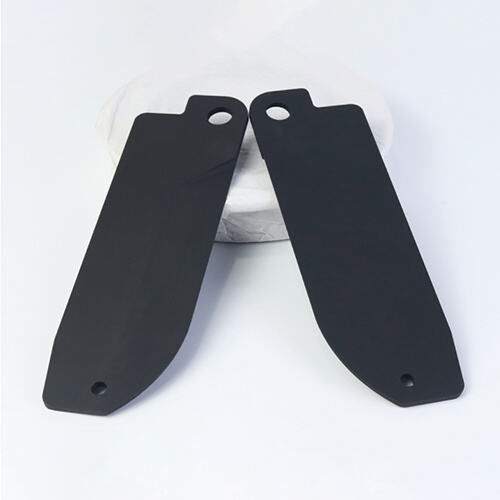
1. חומרים אסטרטגיים ותהליכים מורכבים: ליבה של הייצור בעידן החדש
42CrMo4, פלדה מצרף בינונית פחמן, משמשת לעיתים קרובות לייצור חלקים קריטיים הנושאים עומסים ולחצים גבוהים בזכות עמידות גבוהה, עמידות ודבקות יוצאות דופן. לאחרונה, ככל שהכלכלות המובילות בעולם ממשיכות להגדיל את ההשקעה בתחומים כגון עצמאות אנרגטית, הגנת המדינה והayas התשתית הליבה, הביקוש ודרישות האיכות לרכיבים יסודיים בעלי ביצועים גבוהים, חיים ארוכים ואמינות גבוהה צמחו באופן מעריכי.
עם זאת, השגת הביצועים הסופיים תלויה לא רק באיכות החומר הגלם עצמו אלא באופן קריטי יותר בסדרה מחויבת ומחוברת של שלבי ייצור ועיבוד לאחר הייצור. מחקר מראה שhetהליך המשולב הכולל עיבוד حراري,เคล coating כימי (phosphating), וcoating אורגני (שיכוב ורניש) דורש שהluach העבודה של CNC כולו יפעל כמו מערכת גלגלי שיניים מדויקת. כל סטייה קטנה בשלב אחד יכולה להשתקף בשלבים הבאים, מה שמשפיע בסופו של דבר על התנגדות החלק לשחיקה, אורך חיי העייפות שלו והאמינות הכוללת. המרדף אחר "השלמות בתהליך" הוא ליבה של האסטרטגיה הנוכחית של ענף הייצור בניהול תנודות בשרשרת האספקה ובהבטחת איכות מוצר "בקרה עצמית".
2. דיקה מתקנת בתהלך שמונה שלבים: זמן, איכות וצימוד שיטתי
המחקר שלנו מראה כי ניתן לפרק תהלם ייצור CNC מלא לחלק פלדה 42CrMo4 מדויק טיפוסי לثمانיה שלבים תלויים זה בזה. עבור רכונות הכוללות עיבка מתקדמת, ההשפעה של החלטות שנתקבלו בשלביה הראשונים על הצלחה סופית מוגברת באופן ניכן.
טבלה 1: ניתוח התהלם CNC המלא לרכיבי 42CrMo4 (כולל עיבка מתקדמת)
| שלב תהליך | ממוצע הקצאת זמן | ציון השפעה על איכות (/10) | שיקולי מפתח ל-42CrMo4 ולתהלם משולב |
| 1. עיצוב ויצירת דגם CAD | 18% | 9.2 | יש לתכנן מראש הוראות לפיצול עיוות חום, ולשקול את ההשפעה של שכבת זיהוי או ורניק על איספוק. |
| 2. תכנות CAM | 15% | 8.7 | נדרש לתכנן אסטרטיפות ומסלולים שונים לעיבכה גורפית ולסיימה, בהתאם לחומר לפני ואחרי עיבכת חום. |
| 3. הגדרת מכונה ותפיסה של חלק | 12% | 7.8 | קשיות החלק לאחר עיבכת חום היא אקסטרמיטלית גבוהה, ולכן יש לאשר מחדש ולשקול החלפת תפסים או סכמני תפיסה מיוחדים. |
| 4. הכנת כלים | 8% | 8.1 | שלב הסיום דורש כלים (CBN או קרמיקה) שמסוגלים לעבד חומר בקשיות גבוהה (42-44 HRC). |
| 5. פעולות עיבוד | 32% | 8.9 | בדרך כלל עוקב אחר הסדר: 'עיבка גרימה -> טיפול תרמי -> עיבка סופי' כדי להבטיח דיוק ממדים סופי. |
| 6. בדיקה בתהליך | 7% | 9.4 | בדיקת ממדים קריטיים חובה לפני ואחרי טיפול תרמי; בדיקת ניקיון שטח חובה לפני זיהום או ציפוי. |
| 7. עיבка לאחר ייצור (ליבה) | 5% | 9.8 | כולל: טיפול תרמי מדויק (בקרת טמפרטורה/זמן) -> זיהום (משפר הדבקה/מניעת חלישה) -> שטיפה בשישפה והטמנה ובישול/הקשחה. שלב זה קובע הביצוע הסופי. |
| 8. אימות סופי | 3% | 9.6 | בדיקת מקיפה של עובי קשיחות, עובי ציפוי, הדבקה, עמידות לסプレー מלח וכו', כדי להבטיח התאמה לתקנים יישומיים קפדניים. |
הניתוח מראה כי עבור רכיבים מרובי תהליכים מסוג זה, למרות שהשלב שלאחר עיבוד כולל הקצאת זמן יחסית נמוכה, ציון השפעה על האיכות שלו הוא הגבוה ביותר. במקביל, החיזוי של שלב העיצוב בנוגע לשרשרת התהלים כולה הוא המפתח לשליטה על עלות וסיכון.
3. תוצאות אופטימיזציה שיטתית: שלישיות של יעילות, איכות ועמידות של רשת אספקה
המחקר מראה כי על ידי יישום ניהול מובנה ומותאם לתקן, המבוסס על חוט דיגיטלי לאורך התהלים האמור, יוכלו יצרנים להשיג יתרונות אסטרטגיים שמרחיבים הרבה מעבר לרמה הטכנית:
קפיצה ביעילות ובאיכות: יישום זרימות עבודה תקניים הוביל לצמצום של 32% בסה"כ זמן הפרויקט, שיפור של 58% בדרגת נכונות של חלק ראשון, וצמצום שיעור פסול מ-8.2% ל-3.1%. זה תורגם ישירות למשיב מהיר יותר לשינויים בהיצע ובביקוש, ויצוא יציב יותר עם משאבים מינימליים.
צמצום עלויות והגברת עמידות: עלויות הכלים ירדו ב-19% הודות לתכנות ולניטור מואפלים. חשוב יותר, צפויות התהליך שיפרה את ביצועי המסירה בזמן ב-34%. בעידן שבו אי הוודאות של שרשרת האספקה היא הנורמה, אמינות המסירה הזו הופכת לעלון קבל פיננסי חזק ולחוסן בתוך שרשרת האספקה.
בסיס לרגולציה טכנולוגית: השרשרת הדיגיטלית המלאה מה-CAD ל-CAM ולבקרת מכונה, בשילוב עם נקודות ביקורת איכות ברורות בכל שלב, יוצרת כפולה דיגיטלית של תהליך ייצור שלם. זה לא רק מאפשר מעקב אחר בעיות, אלא חשוב מכך, משדרגת את ידע התהליך המרכזי ויכולות בקרת האיכות בתוך המפעל. פעולה זו מפחיתה את התלות בטכנאים בודדים ומחזיקה את "א sovereignty הייצורית" של החברה.
4. מסקנה: מעבר לעיבוד, בניית מערכת ייצור עתירת עתיד
לסיכום, המסע של רכיב מפלדת 42CrMo4 — שמתחיל כמודל CAD וירטואלי, מתקדם דרך חיתוך פיזי מדויק, טיפול حراري שמשנה את המיקרו-מבנה, פחמן כימי מגן ולבסוף מקבל "עור" של ציפוי אורגני — מדגים באופן מושלם את עיקבה של ייצור מתקדם מודרני: זהו אינטגרציה שיטתית של סדרת שלבים טכנולוגיים מבוקרים, צפויים ותומכים הדדית.
בשלבים הנוכחיים של מדיניות התעשייה העולמית, שמדגישה אבטחת שרשרת האספקה, עצמאות ופיתוח בר-קיימא, המתחרים בין יצרנים כבר אינם רק דיוק או מחיר של כלים מכניים. מדובר יותר מכך בתחרות על יכולת אדריכלות תהליכים כוללת, ניהול ידע ושיתוף פעולה בתוך שרשרת האספקה. ניהול תהליך ה-CNC כמערכת שלמה הדורשת אופטימיזציה מתמדת ובניית עמידות הוא האסטרטגיה החזקה ביותר להפיג את "האי הוודאות החיצונית" של הסביבה באמצעות "וודאות פנימית" בייצור. זוהי לא סתם שיטה לייצור חלקים באיכות גבוהה; אלא الفلוסופיה המרכזית לבניית בסיס תעשייתי חזק ובר-קיימא של אומה.