 EN
EN


Stabilna i precyzyjna obróbka CNC aluminium
Wraz z ciągłej dostosowaniem globalnej struktury produkcji przemysłowej obszar precyzyjnej obróbki CNC doświadcza nowej fali eksplozji popytu. Ostatnio w kontekście polityk „powrotu przemysłu”, promowanych w kilku krajach europejskich i amerykańskich, przedsiębiorstwa wzmocniały swoje zdolności w zakresie lokalnych łańcuchów dostaw. Wzrosła popularność zakupów małych i średnich partii części wykonanych z wysoką precyzją na zamówienie. Szczególnie części konstrukcyjne z aluminium o wysokiej precyzji, szeroko stosowane w lotnictwie i przemyśle kosmicznym, przewozach kolejowych, urządzeniach automatyki oraz nowych technologiach energetycznych, cieszą się uglobalnymi nabywcami ze względu na swoje zalety, takie jak duża wytrzymałość, niewielka masa oraz doskonała przewodność cieplna.
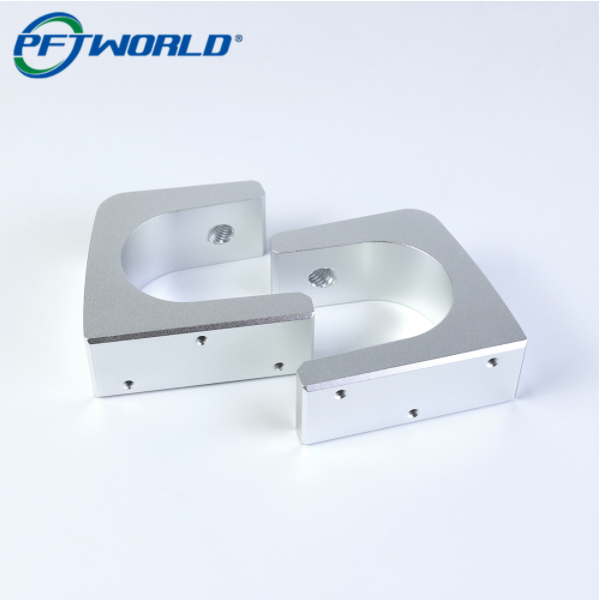
Ten produkt jest wytwarzany za pomocą precyzyjnej frezarki CNC i poddawany naturalnej anodowej obróbce powierzchni. Nie tylko zwiększa to odporność powierzchni na korozję, ale także zapewnia jednolity i delikatny, naturalny odcień srebrno-szary, łącząc funkcjonalność z przemysłową estetyką. Nadaje się do elementów łączących podstawę robota, ram wsporczych uchwytów oraz różnych niestandardowych, funkcjonalnych komponentów złożeniowych.
Zalety procesu spełniają kluczowe wymagania inżynierów dotyczące zakupów.
Trzy podstawowe wskaźniki, na których obecnie skupiają się zakupujący usługi precyzyjnej obróbki, to: dokładność wymiarowa, spójność materiału oraz stabilność harmonogramu dostaw. Ten aluminiowy element jest zgodny z tolerancją kontrolną ±0,01 mm w trakcie projektowania i produkcji. Połączenie zaawansowanych systemów uchwytników z strategiami sterowania wieloosiowym pozwala skutecznie ograniczyć błędy obróbkowe. Dla sprzętu linii produkcyjnej zintegrowanej, który wymaga wysokiej powtarzalności dokładności oraz montażu wielu części, taka kontrola procesu stanowi klucz do zapewnienia stabilności produktu.
Naturalna powłoka anodowa nie tylko zwiększa twardość i odporność na zużycie warstwy tlenku metalu, ale także zapobiega wszelkim różnicom barwnym, które mogłyby wynikać z barwienia lub nanoszenia powłok. Jest to bardziej korzystne dla kolejnych etapów kontroli montażu oraz integracji funkcjonalnej. Ta cecha techniczna spełnia również wymagania dotyczące niezawodności i śledzalności wysokiej klasy elementów konstrukcyjnych mechanicznych i stanowi powszechnie proponowany przez zakupujących w Ameryce Północnej i Europie standard zakupowy.
Sytuacja w łańcuchu dostaw prowadzi do tendencji lokalizacji decyzji zakupowych.
Wpływ globalnej makroekonomii i geopolityki spowodował, że kraje europejskie i amerykańskie wprowadziły wyższe wymagania dotyczące bezpieczeństwa łańcucha dostaw kluczowych komponentów produkcyjnych. Zarówno Stany Zjednoczone, jak i Unia Europejska wprowadziły w ostatnim czasie odpowiednie polityki zachętne wspierające modernizację krajowej produkcji oraz przemysłu wysokoprecyzyjnej obróbki. Oznacza to, że decyzje zakupowe stopniowo przesuwają się z konkurencji cenowej ku ocenie kompleksowych możliwości dostawczych. Kluczowym czynnikiem decydującym stała się obecnie zdolność dostawcy do szybkiej reakcji, zapewnienia stabilnej jakości oraz elastycznej dostawy małych partii.
Dostosowane przetwarzanie części aluminiowych dokładnie koresponduje z tą tendencją. Po pierwsze, materiały aluminiowe są z natury łatwe w obróbce i charakteryzują się wysokim współczynnikiem recyklingu, co odpowiada celom zielonej produkcji i neutralności węglowej. Po drugie, dzięki lokalnym możliwościom przetwarzania takim jak frezowanie CNC i anodowanie można skutecznie skrócić cykl dostaw, zmniejszyć ryzyko związane z logistyką transgraniczną oraz uniknąć niepewności wynikających z fluktuacji stawek cłowych. Jest to szczególnie istotne dla wielonarodowych przedsiębiorstw produkujących sprzęt.
Usługi dostosowane zwiększają uniwersalność międzybranżową
W przeciwieństwie do tradycyjnych części standardowych niestandardowe komponenty z aluminium wykonane metodą CNC mogą być szczegółowo dostosowywane zgodnie z rysunkami klienta, umożliwiając elastyczne ustawienie kluczowych parametrów, takich jak grubość materiału, struktura wnęki oraz układ otworów. Ten model usługi odpowiada indywidualnym potrzebom różnych szybko rozwijających się niszowych rynków, takich jak produkcja sprzętu zautomatyzowanego, niestandardowa produkcja urządzeń wykorzystujących nowe źródła energii oraz moduły wspierające urządzenia medyczne.
Ponadto proces produkcyjny tego produktu umożliwia elastyczną produkcję – od pojedynczych próbek po średnie serie, a także wielokrotne iteracje wersji bez konieczności ponoszenia wysokich kosztów form wtryskowych. Dla zespołów szybko rozwijających nowe produkty to rozwiązanie o niskim progu wejścia i wysokiej precyzji przetwarzania skraca cykl i koszty produkcji próbnej, stanowiąc istotny argument przy podejmowaniu decyzji zakupowych.
Podsumowanie: Tworzenie nowych możliwości w trendzie produkcji
Wpływowane podwójnymi czynnikami restrukturyzacji globalnego łańcucha dostaw i modernizacji produkcji, precyzyjne obrabianie części aluminiowych metodą CNC stało się kluczowym elementem zakupów technologicznych przedsiębiorstw. Dzięki zaawansowanym urządzeniom oraz ścisłym systemom zarządzania jakością te elementy konstrukcyjne nie tylko zwiększają niezawodność produktów, ale także pomagają nabywcom ograniczać ryzyko związane z łańcuchem dostaw, skracać cykle rozwoju oraz poprawiać ogólną konkurencyjność.
Wobec przyszłych trendów inteligentnej produkcji i zrównoważonego rozwoju zdolności do obróbki wysokiej precyzji pozostaną ważnym kryterium wyboru dla inżynierów. Części aluminiowe, dzięki swoim zaletom użytkowym oraz elastyczności w zakresie dostosowania do indywidualnych potrzeb, będą przez długi czas zachowywać strategiczną pozycję na światowym rynku przemysłowym.