 EN
EN



Савети за дизајн за побољшање прецизности ЦНЦ делова за обраду
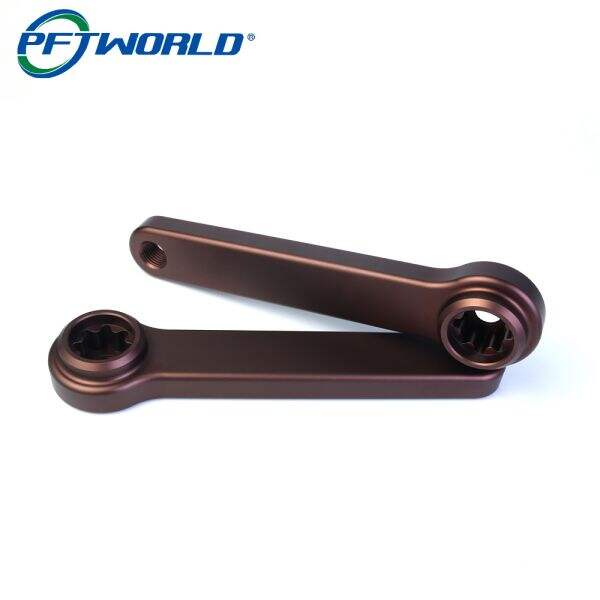
Научите доказану ЦНЦ обраду савјети за дизајн за побољшање прецизности делова, смањење проблема са толеранцијом, и ниже производне трошкове. Практичан водич о томе како дизајнирати делове за ЦНЦ обраду.
Савети за дизајн за побољшање прецизности ЦНЦ делова за обраду
Достизање високе прецизности у ЦНЦ обрађивачким деловима не зависи само од способности машинепочина се од фаза пројектовања - Да ли је то истина? Лоша одлука о дизајну може довести до спајања толеранције, прекомерног времена обраде или чак до неуспеха делова. Уколико се рано примењују прави савети за дизајн ЦНЦ обраде, инжењери могу значајно побољшати прецизност, конзистенцију и производњу.
Испод су практичне смернице о како дизајнирати делове за CNC фрезирање са прецизношћу у виду.
1. Постављање Определите реална толеранција
Једна од најчешћих грешака у дизајну је претерано одређивање чврстих толеранција. Док ЦНЦ машине могу постићи ± 0,01 мм или боље, непотребно чврсте толеранције повећавају трошкове и ризик од одломка.
Савет: Примењивати ограничене толеранције само на функционалне карактеристике као што су површине за спајање или седишта за лежајеће, а некритичне димензије задржавати лакше.
2. Постављање Одржите равномерну дебљину зидова
Неравна дебљина зидова може изазвати вибрације, дефлекцију и топлотне деформације током обраде. Ово директно утиче на димензионну тачност.
Најбоља пракса: Држите дебљину зидова што је могуће једнаку, посебно у алуминијуму и другим меким металима.
3. Постављање Оптимизирајте радијус угла
Оштри унутрашњи углови су тешко прецизно обрађивати због ограничења алата. Мали радијуси углова такође повећавају знојење алата.
Савет за дизајн: Употреба унутрашњих радијуса филета који одговарају стандардним величинама крајева млина (нпр. R3, R5 mm) за побољшање прецизности и завршене површине.
4. Постављање Избегавај дубоке, уске карактеристике
Дубоки џепови или отворци са малим ширинама су склони отклону алата, што доводи до димензионалног одступања.
Препорука: Дизајнирајте плитке џепове или повећајте ширину карактеристика када је то могуће, или поделите сложене карактеристике у више корака обраде.
5. Постављање Пажљиво бирај датуме и референце
Чисте површине података помажу ЦНЦ машинистима да правилно изравнију делове, смањујући грешке у постављању.
Савет: Проектирајте равне, доступне површине датама и осигурајте да се критичне карактеристике односе на исти систем датама.
6. Уколико је потребно. Попростите где је то могуће
Комплексне геометрије повећавају ризик од грешке у обради. Смањење непотребних карактеристика побољшава понављање и тачност.
Правило: Ако не постоји функционална сврха, размислите о томе да је уклоните или поједноставите.
Zaključak
Добра прецизност у ЦНЦ обради почиње паметним дизајном. Примјеном ових савета за дизајн ЦНЦ обрадереалне толеранције, правилни радије, униформне зидове и јасне датотемоћи ћете смањити грешке обраде, контролисати трошкове и постићи доследније резултате. Разумевање како дизајнирати делове за CNC фрезирање је кључна предност за било ког инжењера или програмера производа.
Желите да потврдите свој ЦНЦ дизајн делова или побољшате прецизност обраде?
Контактирајте наш ЦНЦ инжењерски тим за бесплатну повратну информацију о дизајну и прецизна рађања рађањаод прототипа до масовне производње.