 EN
EN


Engineering Notes: CNC Turning Black POM Parts for Precision Mechanical Applications
Why This Small POM Component Requires More Manufacturing Experience Than Expected
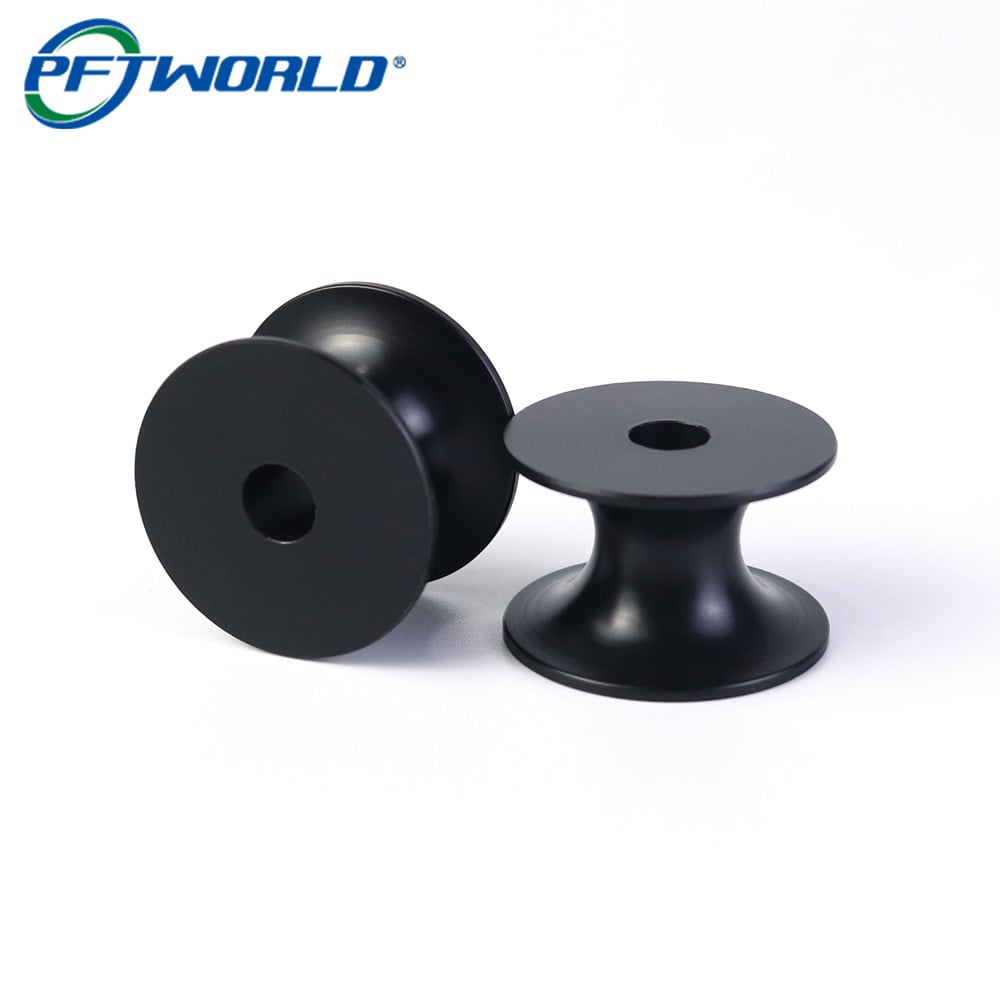
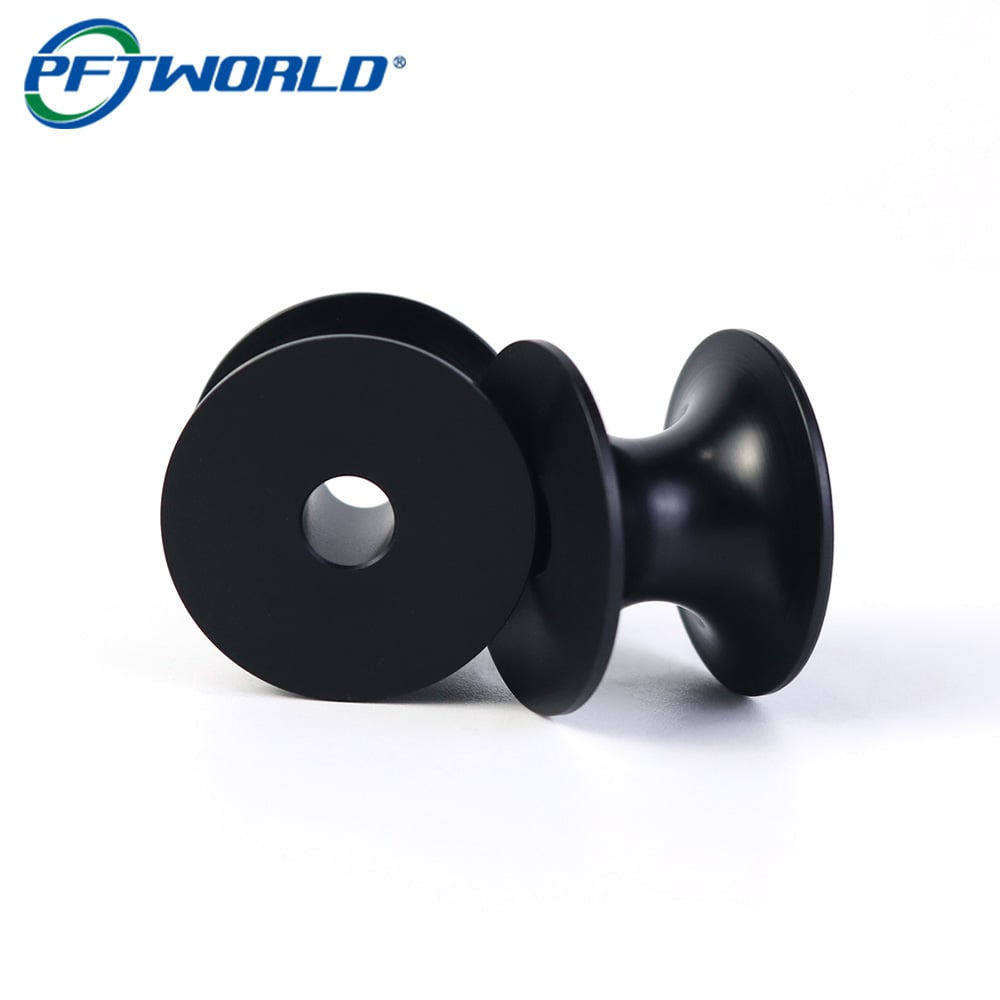
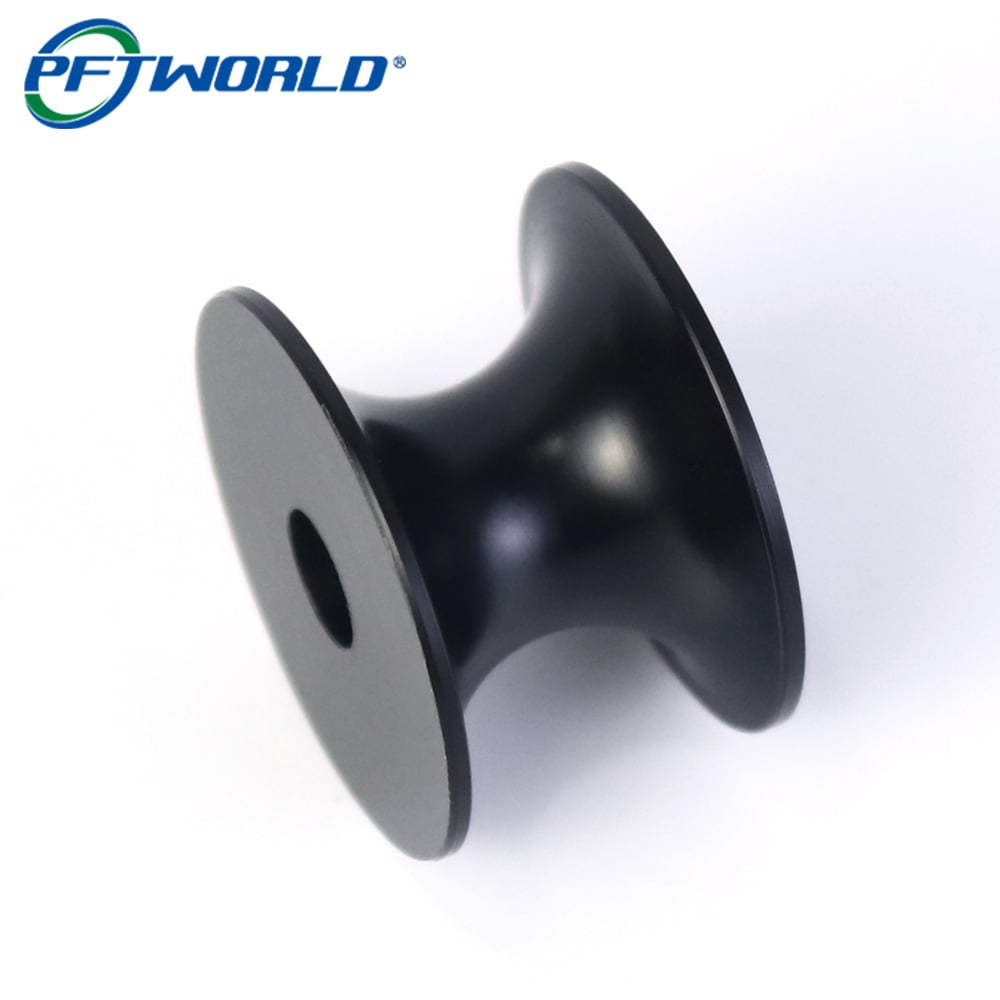
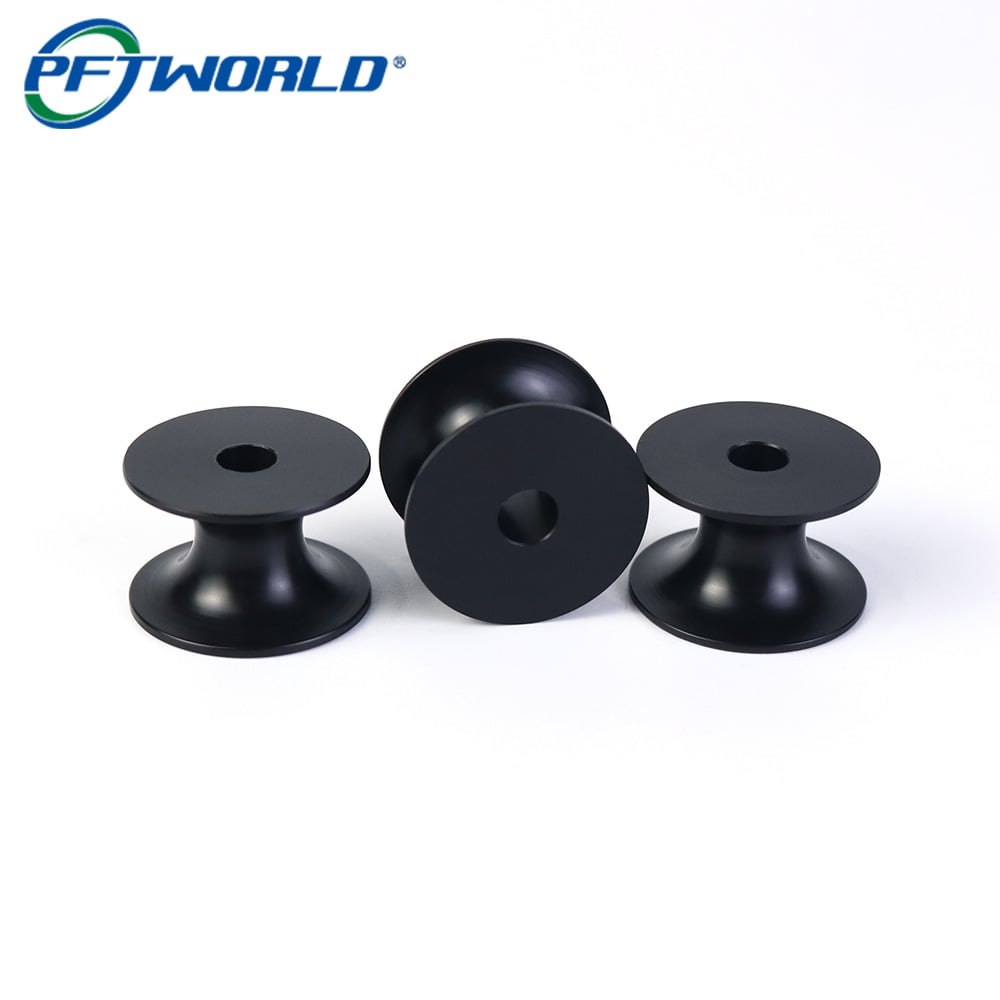
At first glance, this black plastic part looks simple: a round body, a center hole, and a smooth curved profile. However, in CNC machining, simple-looking components are often where process control matters most.
This type of part is typically used as a spacer, pulley, guide wheel, roller, bushing, or mechanical positioning component. The function depends heavily on roundness, concentricity, surface finish, and stable dimensions.
Unlike aluminum or steel, engineering plastics behave differently during machining. The cutting force, heat generation, clamping pressure, and finishing process all influence the final accuracy.
POM (Polyoxymethylene), also known as Acetal, is widely selected for precision plastic components because it combines good rigidity, low friction, wear resistance, and excellent dimensional stability.
Material Selection: Why We Used Black POM
For this component, black POM is a practical engineering choice.
Compared with common plastics such as ABS or PVC, POM provides:
· Lower friction during movement
· Better wear resistance
· Higher mechanical strength
· Lower moisture absorption
· More stable dimensions in changing environments
These properties make POM suitable for moving mechanical parts where metal may create unnecessary weight, noise, or friction. Typical applications include gears, bushings, rollers, guides, and automation components.
From a manufacturing perspective, POM also has another advantage: it machines very cleanly when the correct cutting parameters are used.
CNC Turning Challenges When Machining POM
1. Controlling Heat During Cutting
One common mistake when machining engineering plastics is treating them like aluminum.
POM has a relatively low melting temperature compared with metals. If cutting parameters are not optimized, excessive heat can cause:
· Surface melting
· Poor surface texture
· Dimensional changes
· Material deformation
During CNC turning, we normally focus on:
· Sharp cutting tools
· Proper spindle speed
· Controlled feed rate
· Efficient chip removal
The goal is not only removing material but keeping the plastic structure stable.
2. Avoiding Deformation During Clamping
Plastic parts are more sensitive to clamping force than metal parts.
If the chuck pressure is too high, the component may appear correct during machining but change shape after removal.
For round POM components, experienced machinists pay attention to:
· Contact area between jaws and workpiece
· Clamping pressure
· Support method
· Machining sequence
A small deformation can affect:
· Bore alignment
· Rotation balance
· Assembly clearance
This is especially important for parts that work as rotating or sliding elements.
Surface Finish: Why POM Can Achieve a Smooth Mechanical Surface
One reason engineers choose CNC machined POM is its naturally smooth finish.
A properly machined POM surface can provide:
· Low friction contact
· Smooth movement
· Reduced wear against mating parts
However, achieving this finish depends on tooling condition and machining strategy.
Poor machining can create:
· Fine scratches
· Burrs around holes
· Uneven turning marks
For precision plastic parts, finishing quality is not only about appearance. Surface condition directly influences service life.
Dimensional Control After Machining
Unlike metals, plastics expand and contract more noticeably with temperature changes.
During inspection, experienced manufacturers consider:
· Workshop temperature
· Material condition
· Measurement timing
· Critical tolerance areas
For example, a bore that is acceptable at one temperature may slightly change under different conditions.
POM's low moisture absorption and dimensional stability are major reasons it is preferred over many other plastics for precision mechanical parts.
Manufacturing Process Behind This Type of Component
A typical production workflow would include:
1. Material Preparation
Confirm:
· POM grade
· Material color
· Stock diameter
· Material consistency
2. CNC Turning
Main operations:
· Outer diameter machining
· Profile forming
· Center hole drilling
· Precision boring
· Edge finishing
3. Deburring and Cleaning
Plastic burrs are softer than metal burrs but can still affect assembly.
Careful deburring ensures:
· Smooth edges
· Clean holes
· Reliable fitting
4. Final Inspection
Typical inspection points:
· Outside diameter
· Inner diameter
· Thickness
· Concentricity
· Surface appearance
Practical Engineering Considerations Before Production
When customers send drawings for similar POM parts, several details should be confirmed before machining:
Tolerance Requirements
Not every dimension needs ultra-tight tolerance.
Over-specifying tolerances can increase cost without improving performance.
The key question is:
Which dimensions affect assembly or movement?
Those areas deserve tighter control.
Application Environment
Engineers should consider:
· Operating temperature
· Contact material
· Load condition
· Rotation speed
· Chemical exposure
For example, a POM guide wheel used in automation equipment has different requirements from a decorative plastic knob.
Final Thoughts from a Manufacturing Perspective
Producing a precision POM component is not simply a matter of turning plastic on a CNC machine.
The successful result depends on understanding:
Material behavior → Machining parameters → Clamping method → Inspection strategy
POM is an excellent engineering plastic, but achieving reliable performance requires manufacturing experience.
A good CNC supplier does not only make the shape shown on the drawing. They understand how the material behaves during production and how the finished component will perform in the customer's application.