 EN
EN


How to Select Steel Grades for CNC Machined Parts
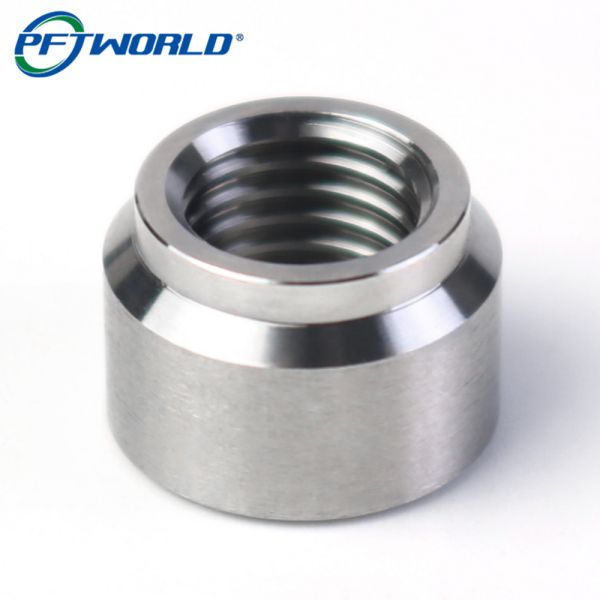
How to Select Steel Grades for CNC Machined Parts
Choosing the right material is one of the most critical decisions in CNC machining steel parts. The steel grade you specify directly affects machining cost, tool life, dimensional stability, corrosion resistance, heat-treatment response, and final part performance.
Based on supplier audits, machining trials, and production benchmarking programs across automotive, industrial equipment, and energy sectors, this guide explains how to select steel grades for CNC machined parts using real-world data—not just datasheets.
Why Steel Grade Selection Matters in CNC Machining
In a sourcing study comparing three materials for a hydraulic shaft:
-
1045 carbon steel
-
4140 pre-hardened alloy steel
-
17-4 PH stainless
The total machining cost per part varied by up to 46%, even though the geometry was identical.
Key drivers were:
-
Cycle time
-
Insert consumption
-
Secondary operations
-
Heat-treatment steps
-
Scrap rate
Step 1: Define the Functional Requirements
Before choosing a grade, clarify:
-
✅ Load and fatigue life
-
✅ Wear resistance
-
✅ Corrosion exposure
-
✅ Operating temperature
-
✅ Regulatory or cleanliness needs
-
✅ Target production volume
Step 2: Match Mechanical Strength to Application
| Application | Recommended Grades | Why |
|---|---|---|
| Structural brackets | 1018 / S235 | Low cost, easy machining |
| Drive shafts | 1045, 4140 PH | Good strength, heat-treatable |
| Gears & cams | 8620, 9310 | Carburizing capability |
| Corrosive service | 316, 17-4 PH | Stainless protection |
| High-temp tooling | H13 | Hot strength |
Step 3: Consider Machinability—Not Just Strength
Some steels cut far more easily than others.
Shop-floor test results:
| Grade | Relative Machinability | Insert Life |
|---|---|---|
| 12L14 | Excellent | +70% |
| 1018 | Good | Baseline |
| 4140 PH | Moderate | –20% |
| 304 SS | Poor | –40% |
| H13 | Difficult | –55% |
Better machinability lowers cost dramatically.
Step 4: Decide on Heat Treatment Strategy
Heat treatment can be done:
-
? Before machining (pre-hard)
-
? After roughing (stress relief)
-
? After finish machining (case hardening)
Guidelines:
-
Pre-hard steels (28–32 HRC) avoid post-HT distortion
-
Carburizing steels require finish grinding
-
Quench-and-temper adds time and risk
Step 5: Evaluate Corrosion and Surface Protection
If the environment is dry, carbon steel + coating may be cheaper than stainless.
Common coatings:
-
Zinc plating
-
Black oxide
-
Phosphate
-
Powder coat
Step 6: Check Availability and Supply Chain
Prefer grades:
-
Stocked locally
-
With mill test reports (MTRs)
-
With tight hardness ranges
-
Available in pre-machined blanks or forgings
Real Production Case Study
An agricultural-equipment OEM replaced 17-4 PH stainless with zinc-plated 4140 PH for a clevis pin:
| Metric | 17-4 PH | 4140 PH |
|---|---|---|
| Raw material cost | +58% | Baseline |
| Tooling cost | High | Moderate |
| Cycle time | 19 min | 13 min |
| Corrosion test | Passed | Passed |
| Annual savings | — | $210,000 |
Quick Selection Checklist
Ask yourself:
-
✔ Is corrosion resistance mandatory?
-
✔ Can coating replace stainless?
-
✔ Do we need through-hardening or case hardening?
-
✔ What tolerance level is required?
-
✔ Is volume high enough to justify forging blanks?
FAQs About Steel Selection for CNC Machining
Which steel is easiest to machine?
Free-machining grades like 12L14 and 1215—but they have lower strength and weldability.